
Route 66 turns 100 this year, and that old road still has some fight left in it. The interstates may have stolen the traffic, but they never stole the feeling.
In pieces big and small, the Mother Road is still out there, waiting behind frontage roads, old business loops, mountain grades, prairie two-lanes, ghost-town detours, and neon motel signs that somehow refused to quit.
Illinois: Where the road begins

Any proper Route 66 story starts near Chicago, where the road first took shape in 1926 and began carrying dreamers, drifters, salesmen, families, and anyone else who figured the next town had to be better than the last one.
These first Illinois stretches do not hit you with desert drama or towering neon. What they give you is something older and, in its own way, just as powerful: the sense that the road began as a working road first.
1. Joliet to Wilmington, Illinois
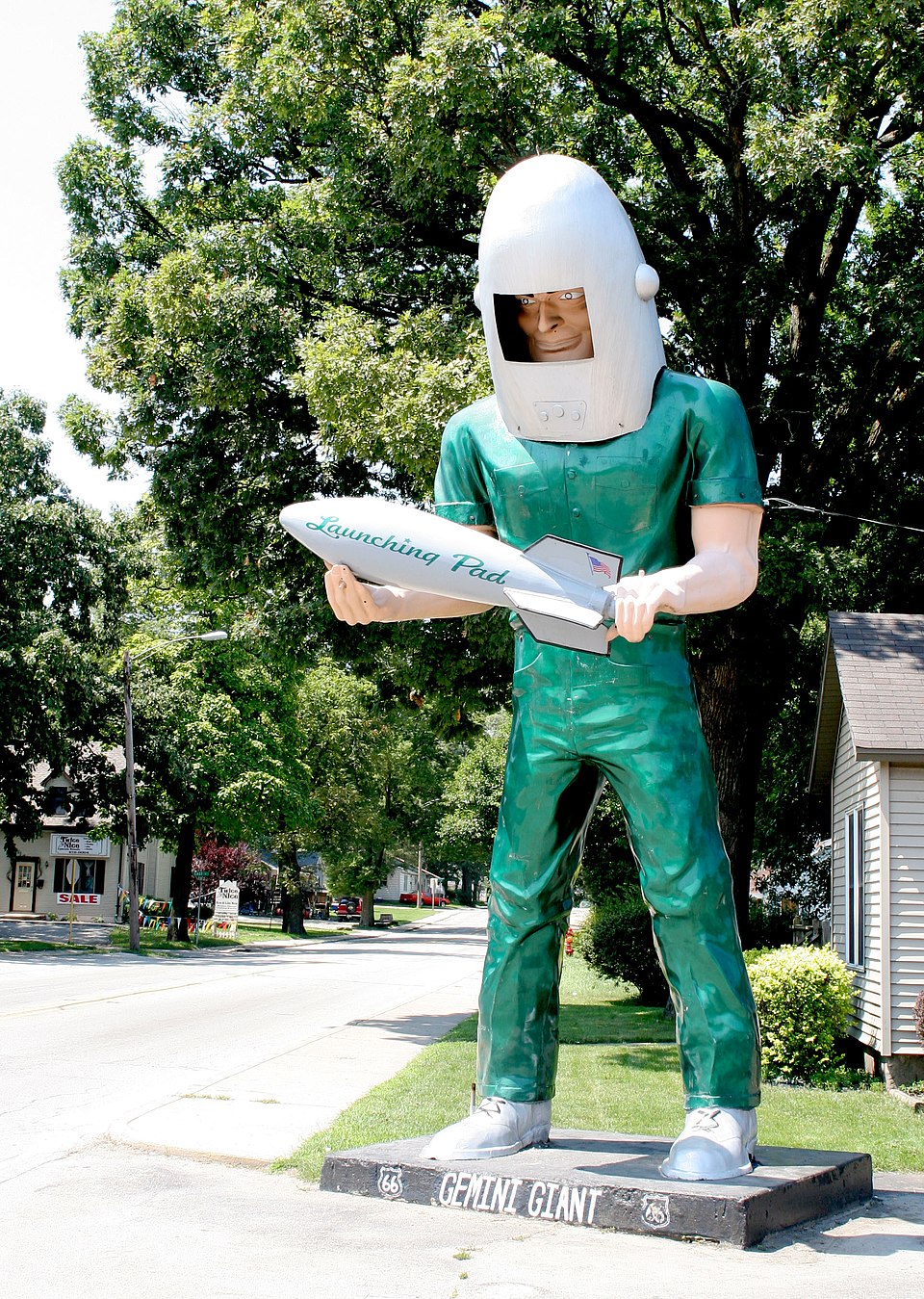
This is a fine place to begin because it still feels like an actual road, not just a memory of one. The Joliet to Wilmington stretch carries a lot of Route 66’s early personality.
It has that practical, no-nonsense Illinois look, with broad pavement, old overpasses, and the kind of landscape that makes you imagine a car with a bench seat and a paper map folded on the dash.

The surviving 1940s character is the draw here. You are not chasing novelty. You are chasing atmosphere. That matters on Route 66.
The farther west you go, the road gets louder and stranger, but here it still speaks in a calm voice. It reminds you that the Mother Road did not start as a tourist attraction. It started as a way to get somewhere.
2. Cayuga to Chenoa, Illinois
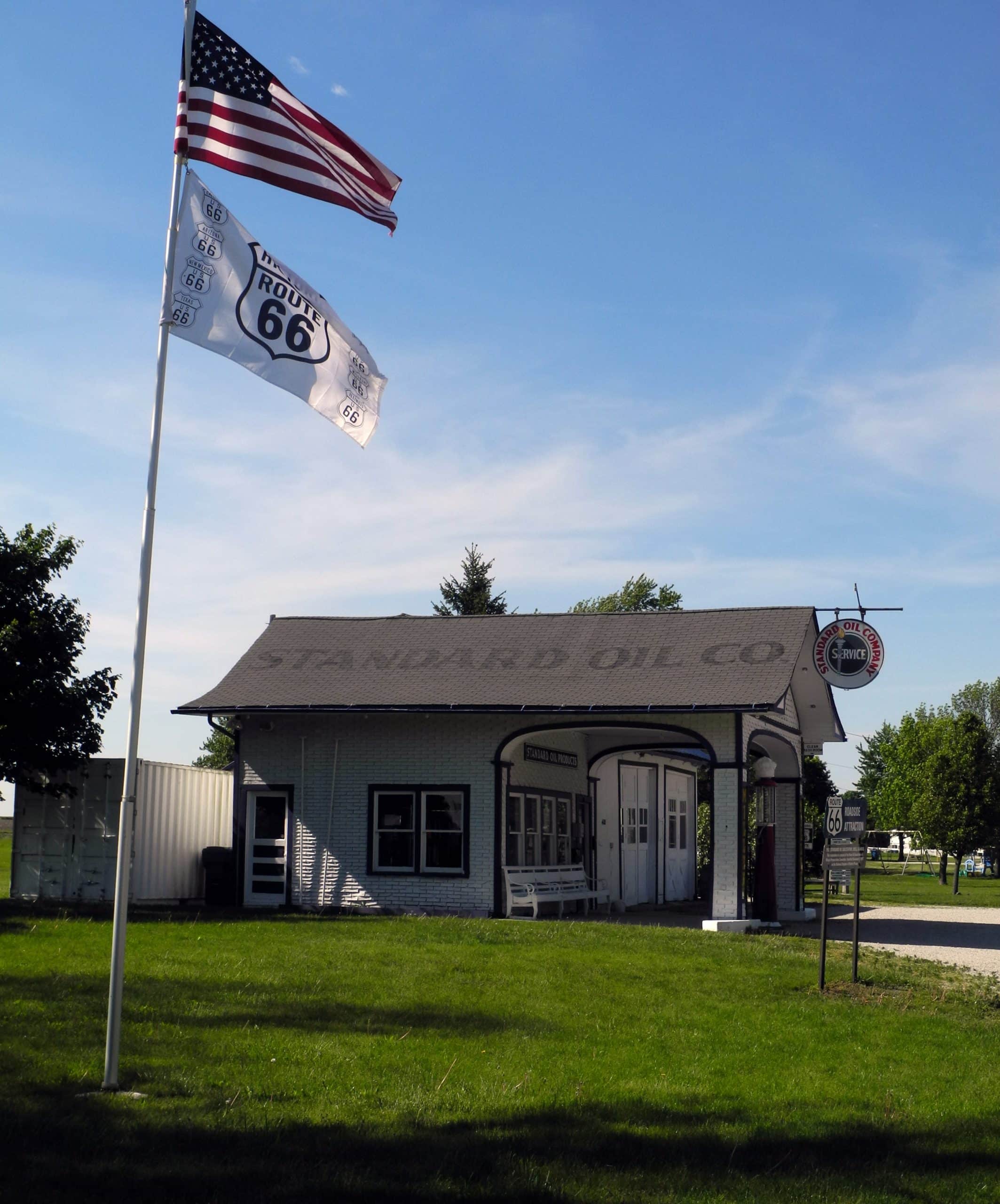
This stretch has a little more of the old route-finding spirit to it. That makes it especially appealing for people who want to feel like they are tracing the real bones of Route 66 instead of just looking at roadside souvenirs.
The Cayuga to Chenoa segment still carries that patchwork character that made the road famous.
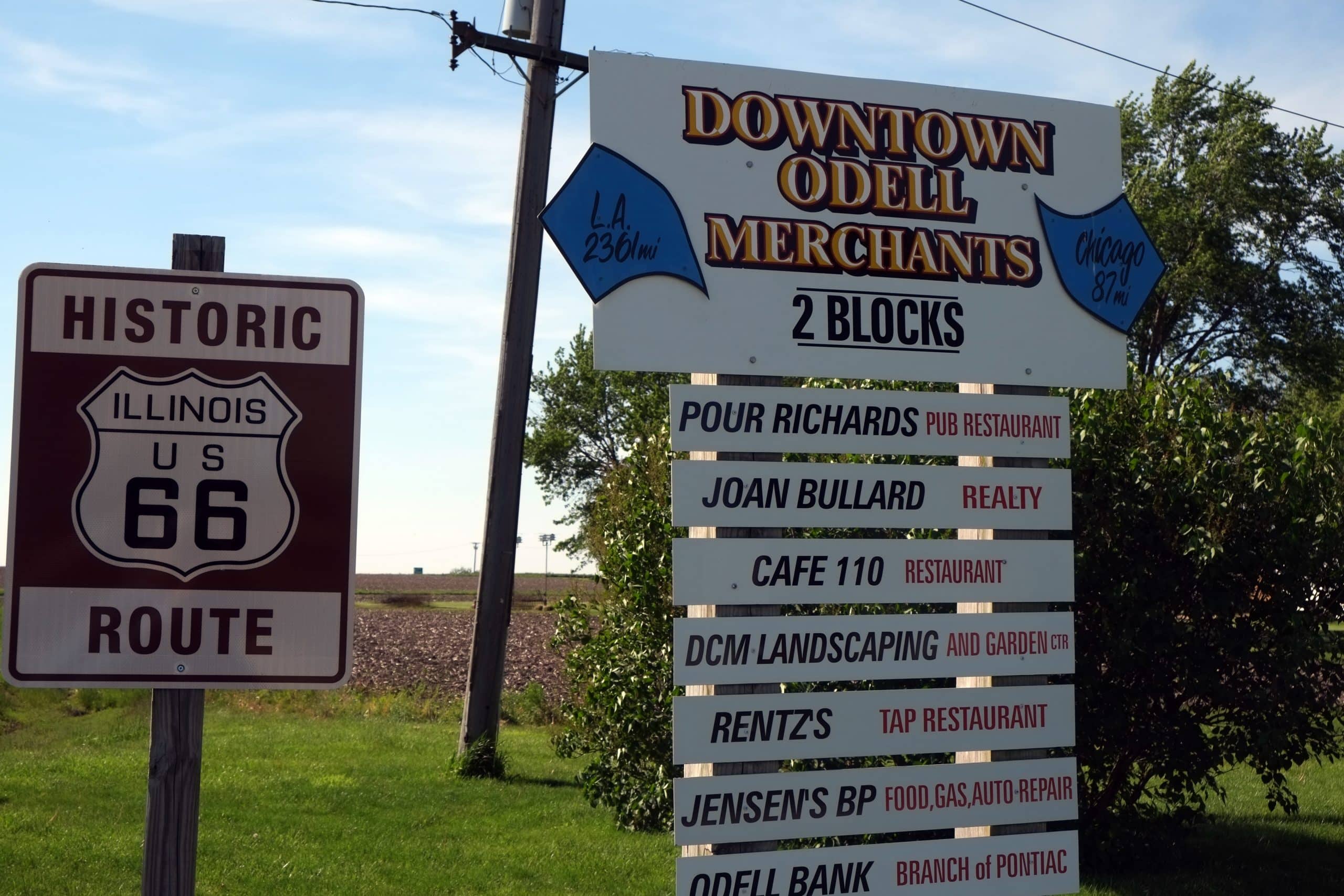
You can sense the evolution of the highway here. Route 66 was never frozen in one perfect form. It changed with traffic, money, wartime needs, and better engineering.

This piece tells that story well. It is not the flashiest stop on the whole trip, but it is one of the most honest. You drive it to understand how the Mother Road grew up.
3. Litchfield to Mount Olive, Illinois
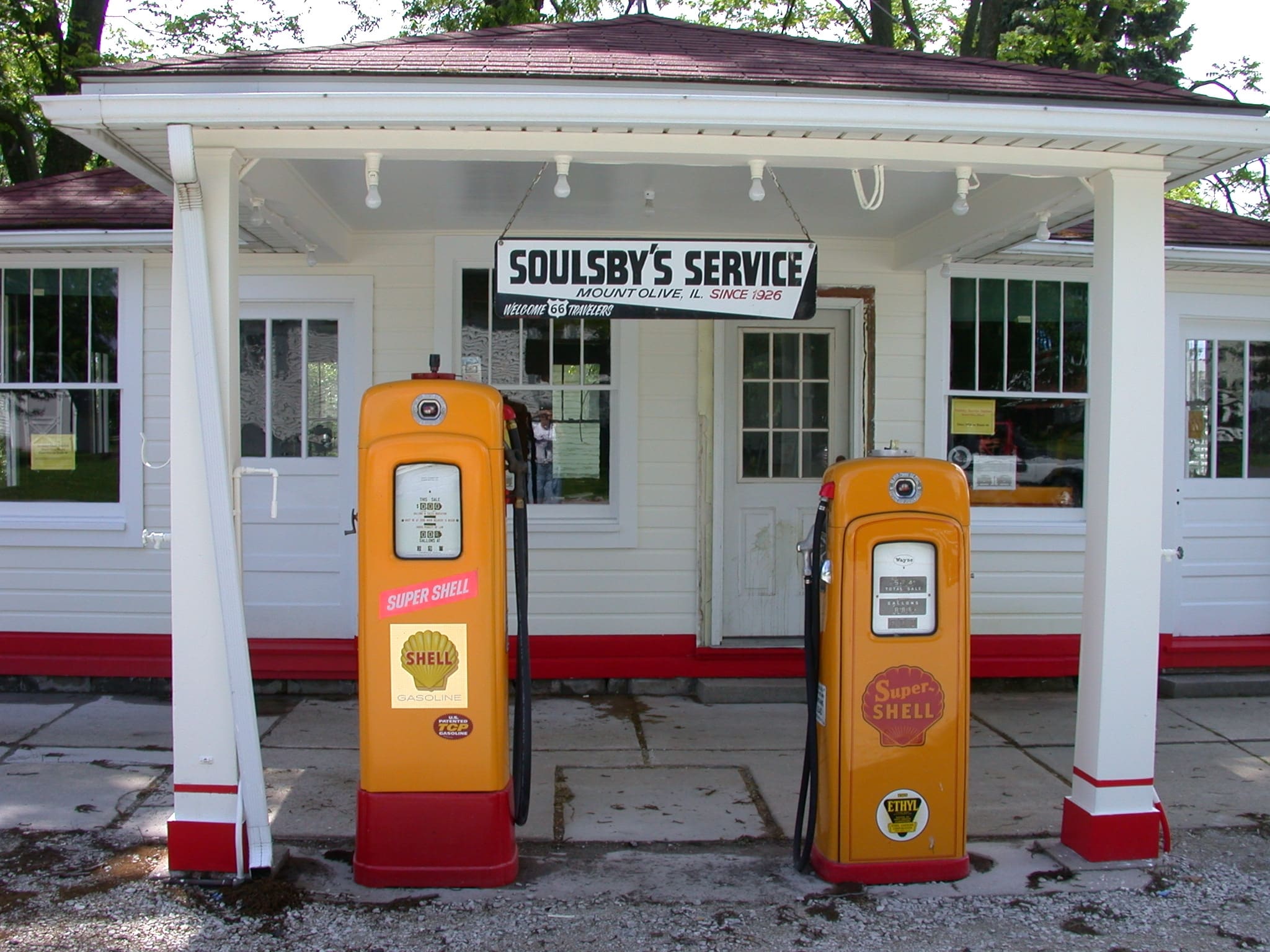
Now the road starts to show off a little. This is one of those Illinois stretches where the classic Route 66 mood and the classic Route 66 landmarks begin to meet.
The Ariston Café and Soulsby Service Station give this run some real character, and the roadway itself has a strong postwar feel.
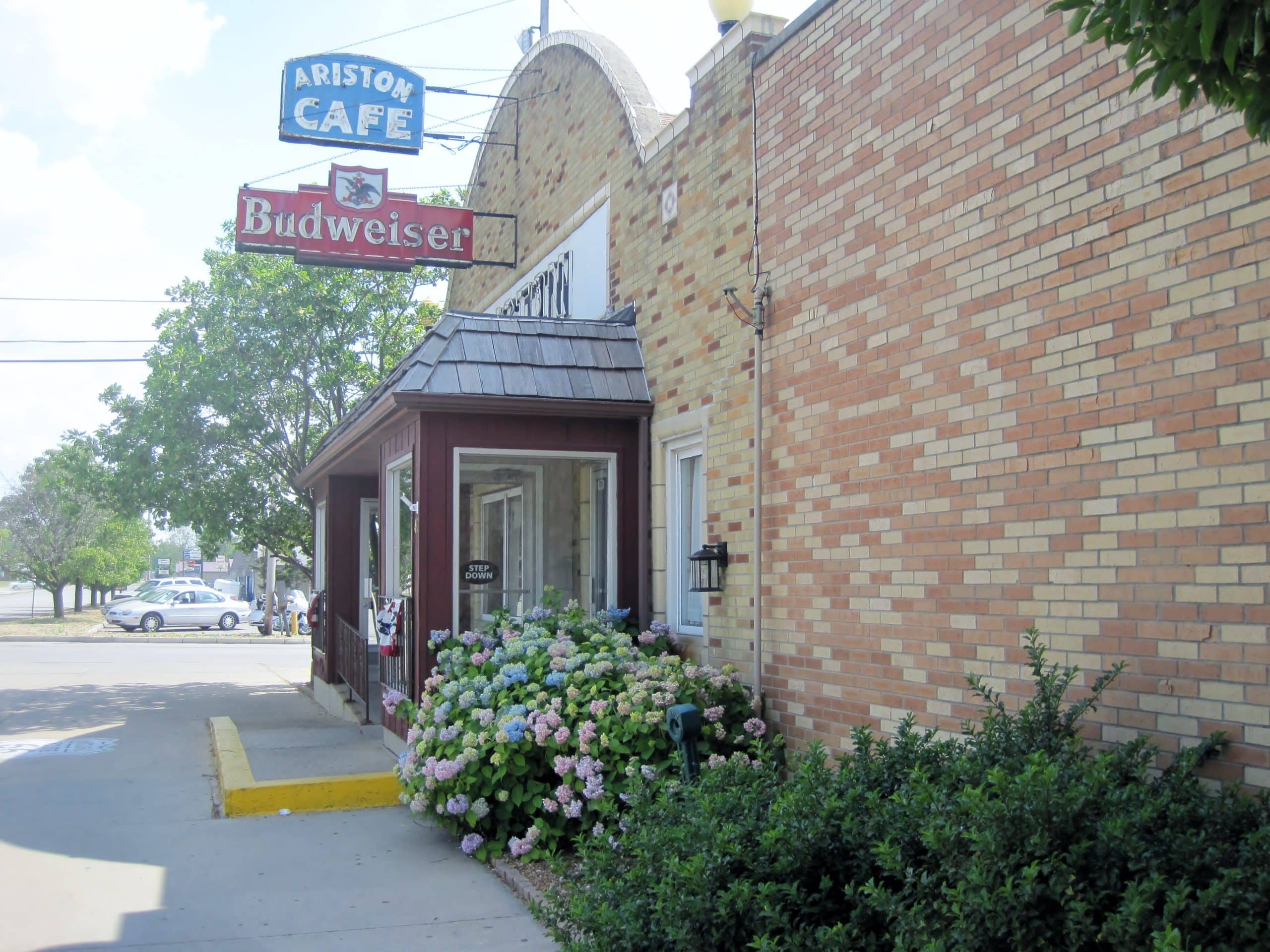
It is easy to imagine travelers pulling off here for coffee, pie, gas, and maybe a quick look under the hood before pressing on.
That is part of the Route 66 magic. It was never just about the pavement. It was about the rhythm of stopping and going, eating and fueling, moving on and pulling back over because something interesting caught your eye.
This stretch still delivers that rhythm beautifully.
Missouri

Missouri is where Route 66 starts loosening its collar.
The road leaves the flatter Midwest feel and begins rolling into hill country, caves, motels, and all the Ozarks texture that makes this state such a natural fit for the old highway.
4. Cuba to Lebanon, Missouri
This is a stretch for people who love the roadside pieces as much as the road itself.
Cuba to Lebanon is rich with that classic Route 66 sleep-stop energy.

The Wagon Wheel Motel in Cuba, the Route 66 Museum in Lebanon, and the Munger Moss Motel give this corridor a lived-in, still-breathing feel that many old roads only wish they had.
Some Route 66 stops survive as ruins. This part of Missouri survives as an experience.

You can still check in, walk around, eat nearby, and feel like the road is doing what it was meant to do.
It is one of the best parts of the whole trip for anyone who wants the vintage motel side of Route 66, not just the scenic side.
5. Waynesville through the Ozarks to Lebanon, Missouri

The Ozarks change the mood of Route 66 in a hurry. The road gets more textured, more winding, and more rooted in the land.
This part of Missouri is not about endless horizon shots. It is about road rhythm. Hills rise, curves come at you naturally, and the scenery feels intimate rather than grand.
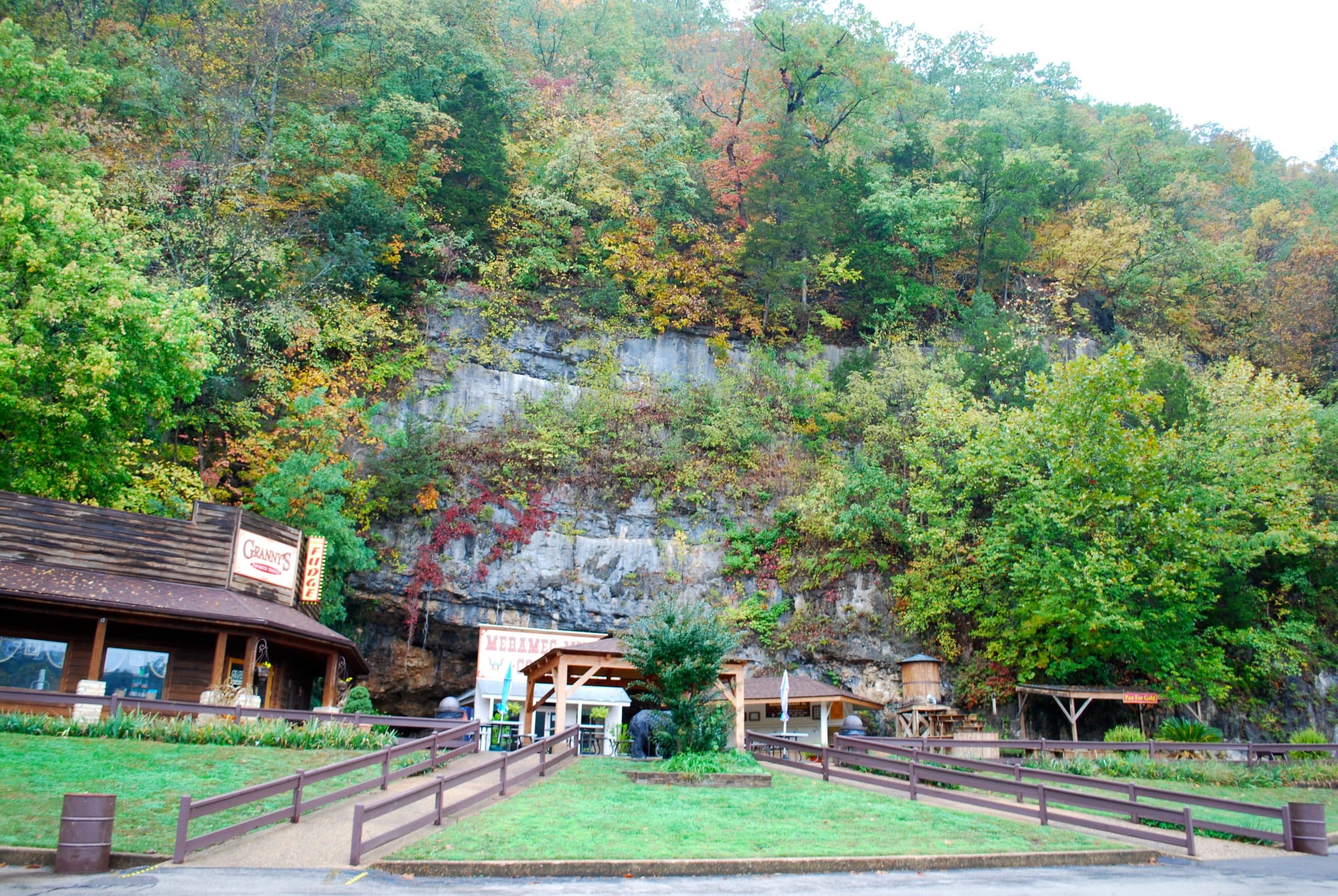
Meramec Caverns still looms over the Route 66 imagination, and even if you do not stop, you can feel the old advertising culture that once made it one of the road’s biggest magnets.
This is a stretch where Route 66 feels less like a straight line and more like a conversation between the road and the countryside.
It is one of the most satisfying drives in the middle of the country.
Kansas – Oklahoma
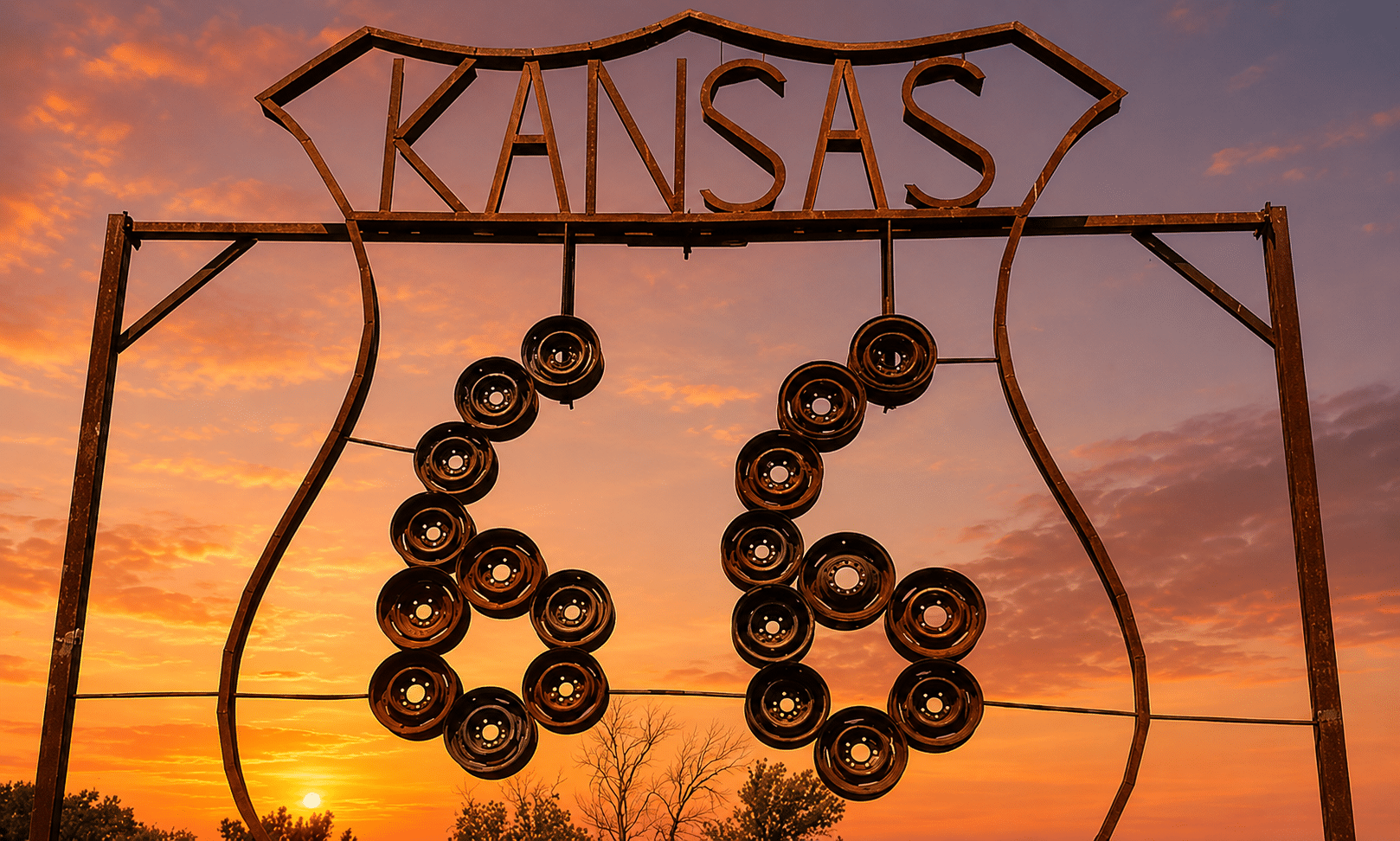
6. Galena to Baxter Springs, Kansas
Kansas only got a short sliver of Route 66, but what a fun little sliver it is. This is the kind of stretch that proves length is not everything.
In barely over 13 miles, Kansas gives you mining-country history, old pavement feel, and the novelty of being able to say you drove the whole state in one shot.
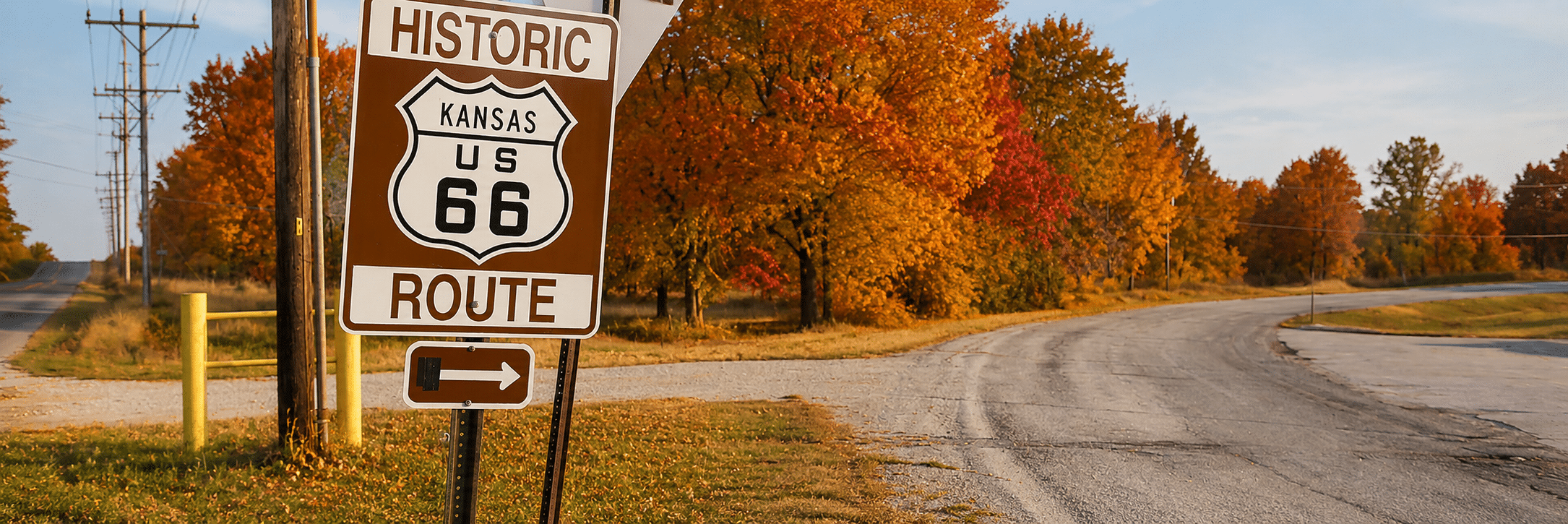
That compactness is part of its charm. There is no filler here. You roll through Galena, cross into Baxter Springs, and feel the road changing states almost before you have settled into the seat.
It is a quick hit of classic 66 that feels like a bonus chapter on the trip. Small state, big personality. That sounds about right for Route 66.
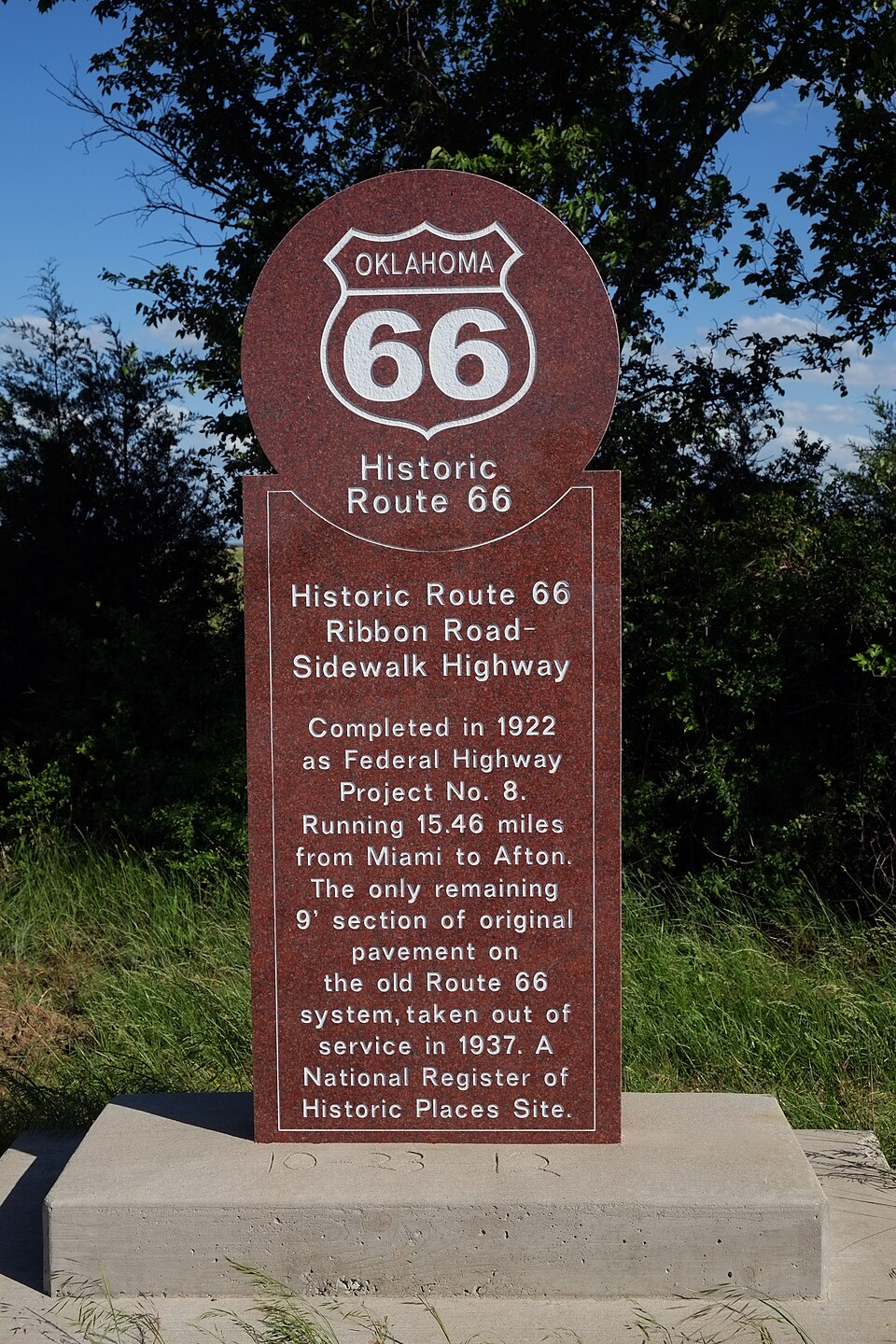
7. Miami Nine-Foot Section, Oklahoma
This is one of the oddball pieces that road nerds absolutely love, and for good reason. The Miami Nine-Foot Section is narrow, quirky, and wonderfully unlike modern highways.
You do not drive it because it is comfortable. You drive it because it feels like an artifact you can still touch.
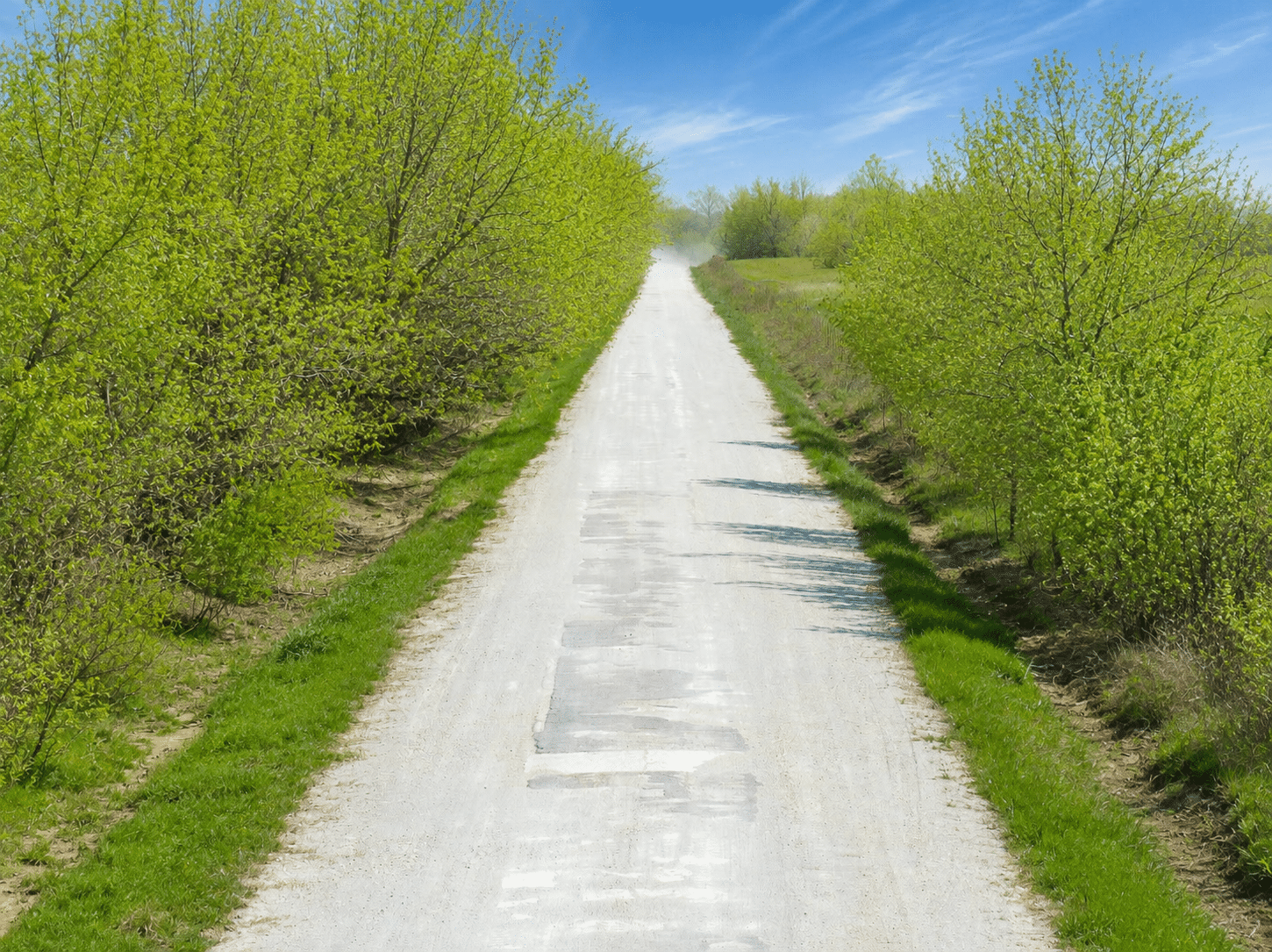
That narrow width tells the story all by itself. Before highways got standardized and smoothed out, roads could be weird, local, improvised, and a little bit stubborn.
This section preserves that spirit in a way few places can. It is short, yes, but it earns its place because it makes you think about what driving used to mean before America went wide, fast, and uniform.
8. West of Sapulpa, Oklahoma
Another short section, but another good one. West of Sapulpa, Route 66 still clings to some of its earlier road-building DNA. This is where old guardrails, bridge details, and the general shape of the road remind you that the Mother Road was pieced together over time, not dropped into place all at once.
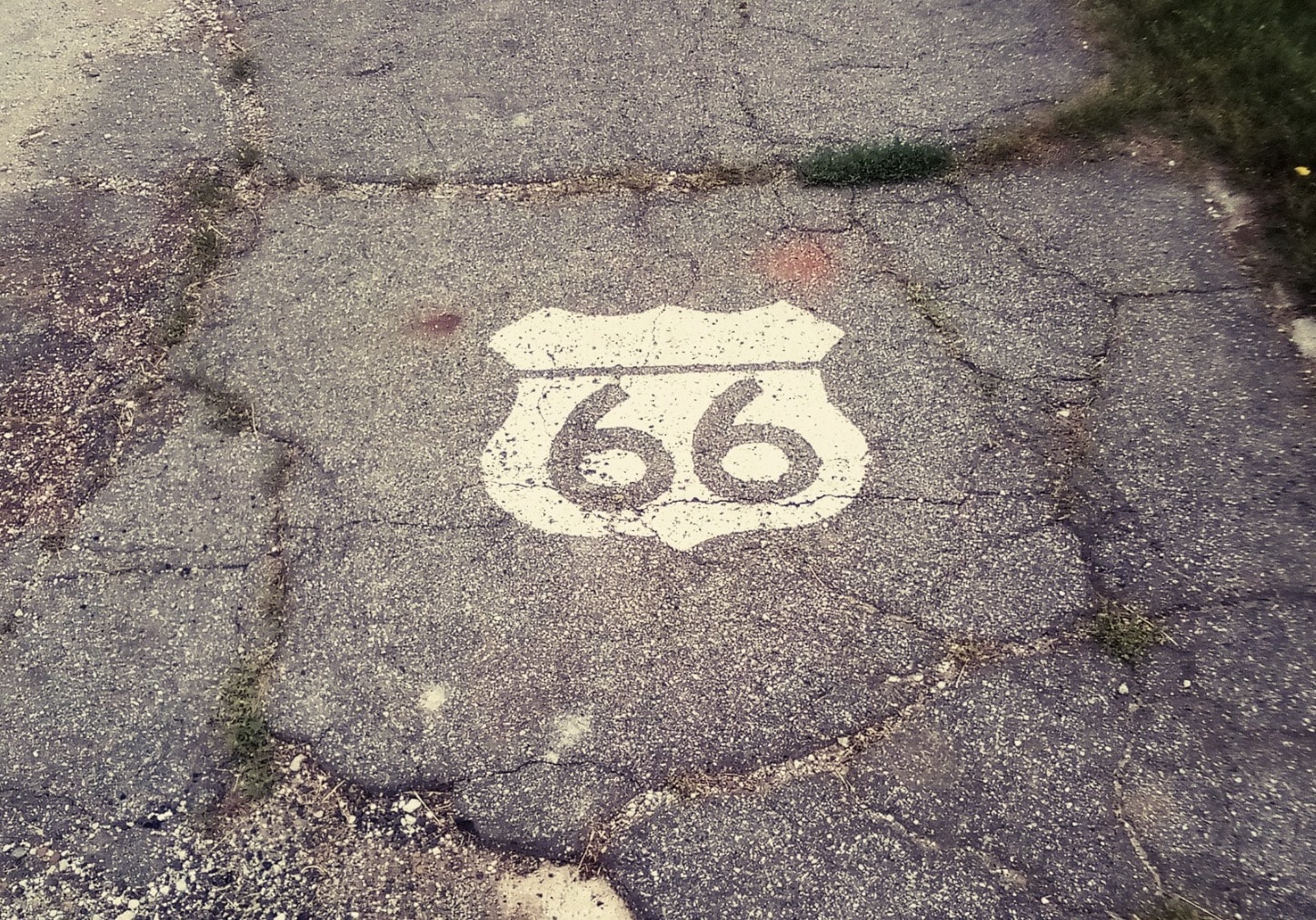
It is not as famous as some of the big Oklahoma stops, but that is part of the appeal. This stretch rewards the traveler who likes the details.
It is less about neon and more about the bones of the road itself. If you want to understand Route 66 as infrastructure, not just nostalgia, this little section punches above its weight.
9. Luther to Arcadia, Oklahoma
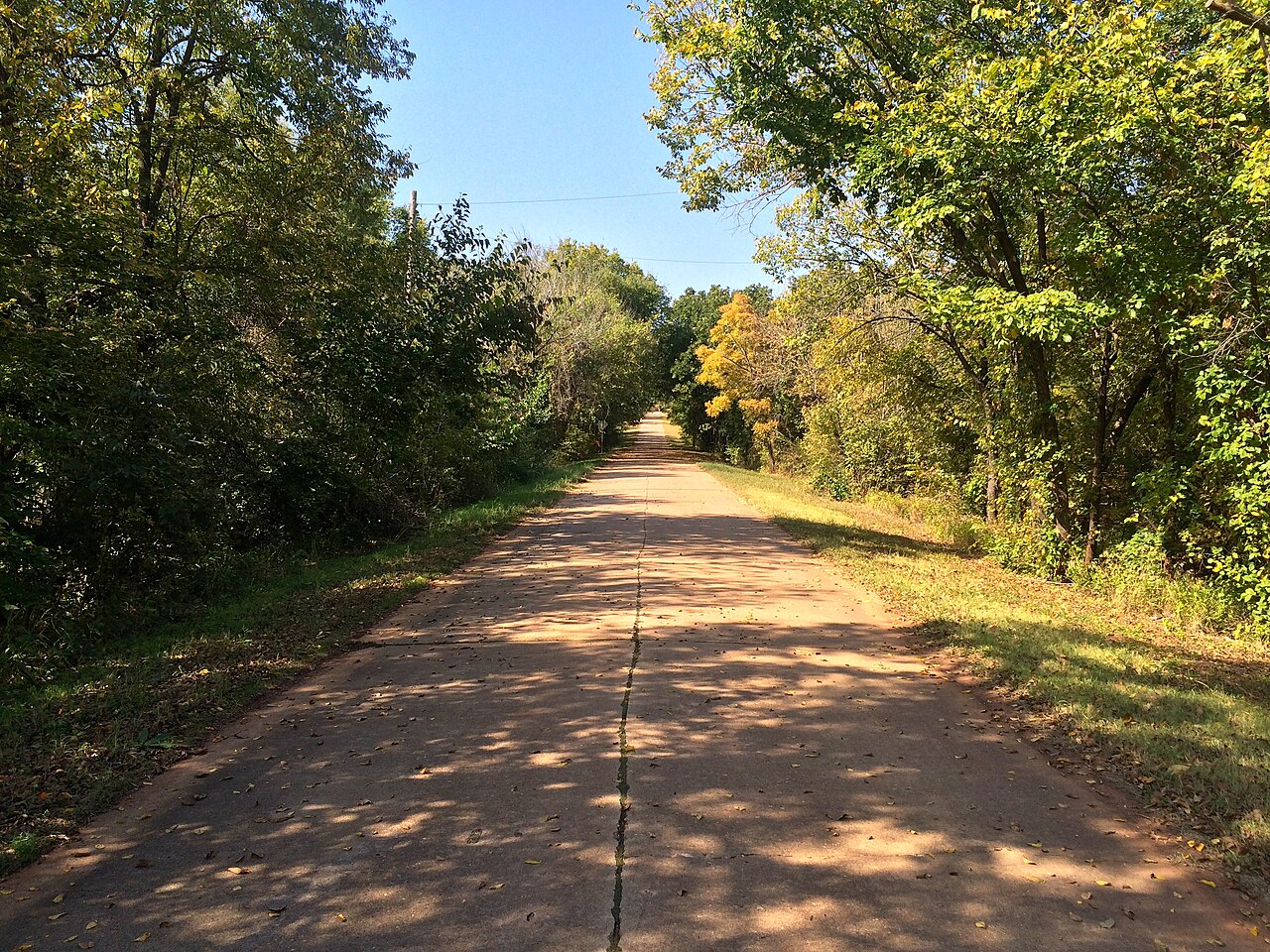
Now the road gets playful again. The Luther to Arcadia run is classic stop-and-look Route 66, with the Threatt Filling Station and the Arcadia Round Barn giving it real landmark power. Even the names sound like they belong on this highway.
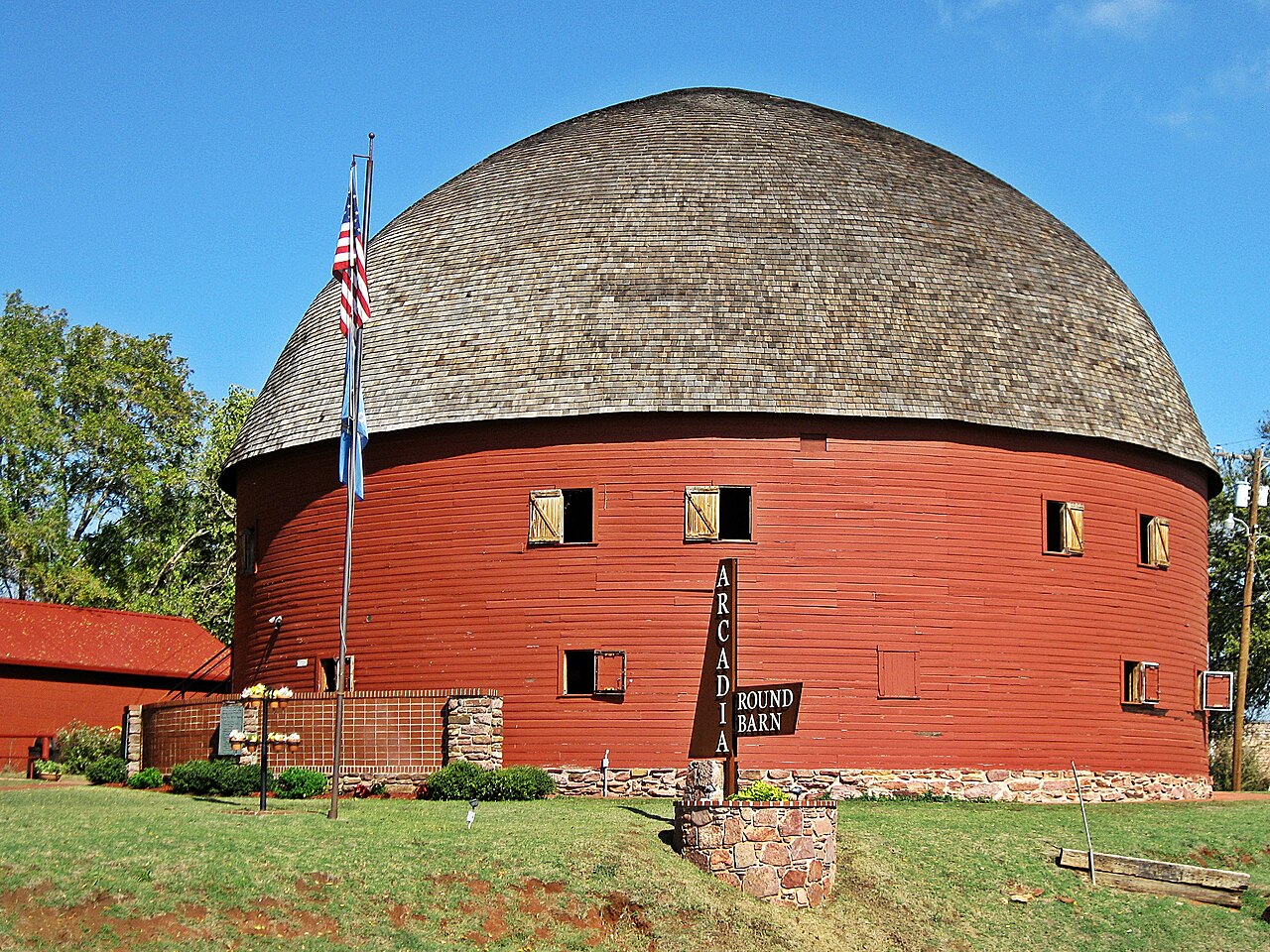
This is one of the best stretches in Oklahoma because it feels approachable. You do not need a grand travel plan to enjoy it.
You can drive it slowly, hop out for photos, and let the road do what it does best, which is stack one memorable sight on top of another.
The Round Barn alone would be enough reason to visit, but the whole corridor carries that cheerful, roadside-America energy that makes people fall in love with Route 66 in the first place.
10. Bridgeport Hill to Hydro, Oklahoma

This part of Oklahoma feels wider, tougher, and more exposed. It has engineering interest, open plains, and a sense that Route 66 here was built to deal with real land, not just connect dots on a map.
Bridgeport Hill gives the drive a little drama, and the William H. Murray Bridge area adds some real historical backbone.
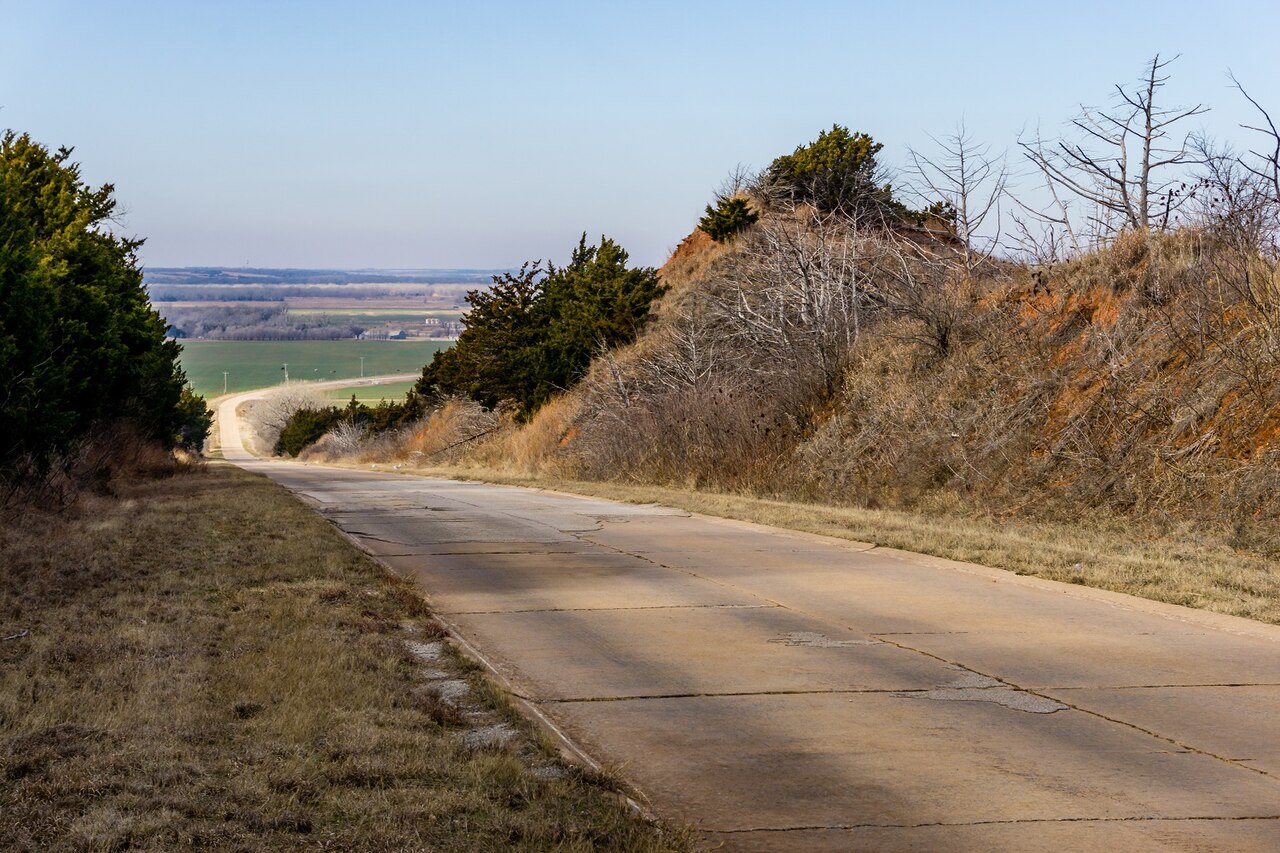
What I like about this stretch is that it feels purposeful. It is not cute. It is not trying to charm you. It is just out there doing its job, and that can be every bit as compelling as the prettier sections.
This is the kind of place where you look out over the country and understand why old highways mattered so much. They made hard country feel crossable.
Texas comes in hot
By the time Route 66 reaches Texas, the road starts acting like a showman. The Panhandle does not hide its best stuff. Big sky, flat country, strong architecture, and a road that knows exactly what kind of impression it wants to make.
11. Shamrock to McLean, Texas
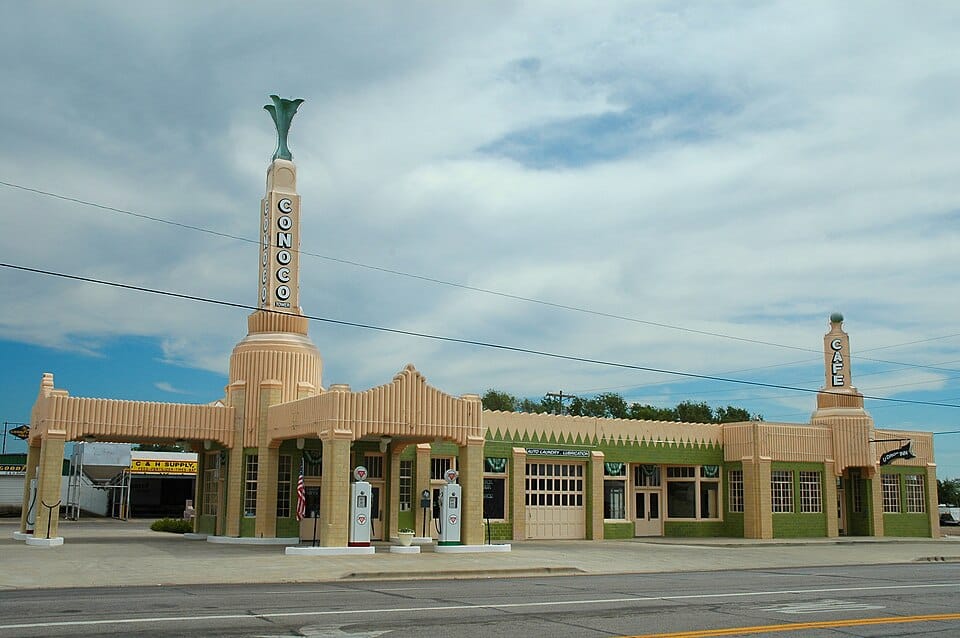
This is one of the best stretches in Texas because it gives you the kind of roadside architecture people picture when they think about Route 66.
The U-Drop Inn in Shamrock is a stunner, plain and simple. It has the kind of presence that makes you slow down even if you had not planned to stop.
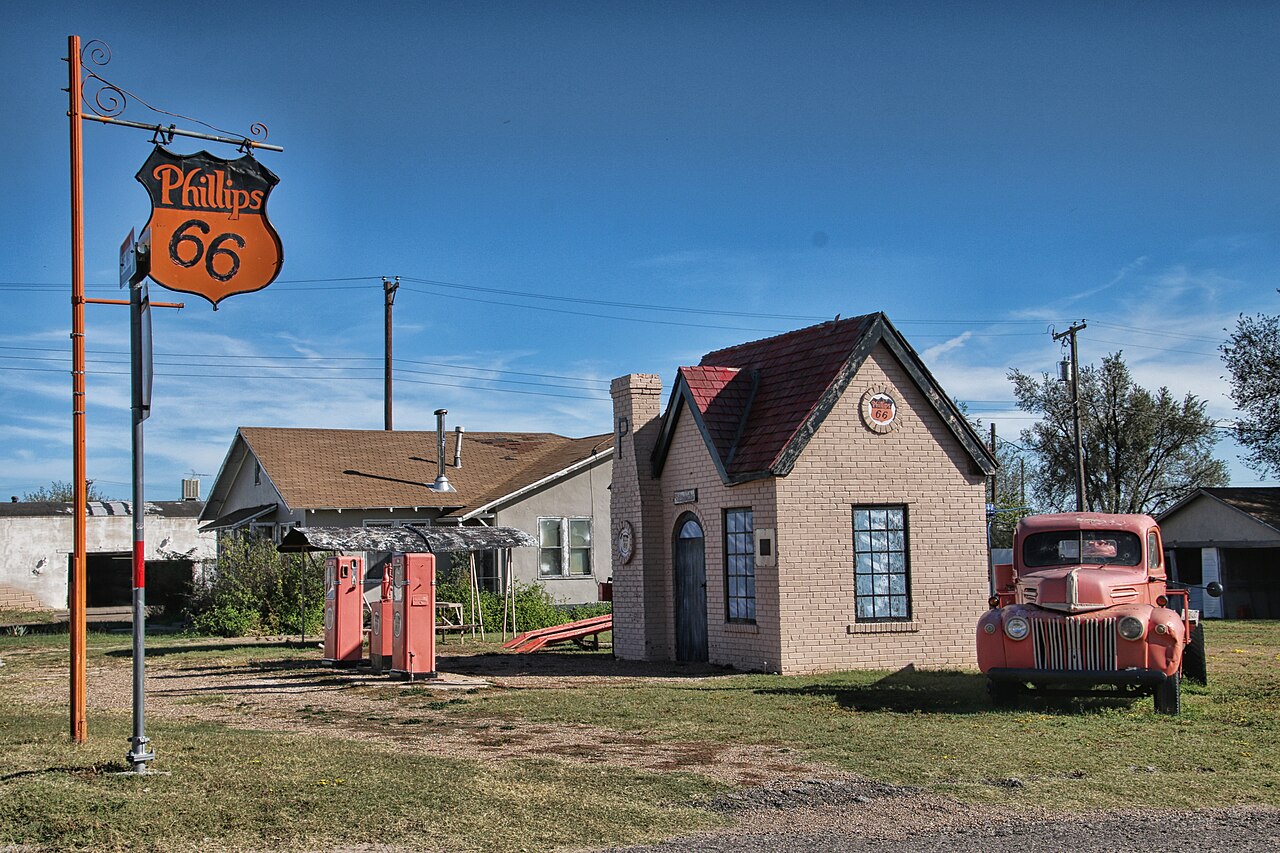
Between Shamrock and McLean, the Panhandle does the rest of the work. The road feels open, old, and durable.
The towns are spaced just right for that classic drive-stop-drive-stop rhythm. You get enough scenery to feel the country and enough buildings to feel the human side of the road. That balance is what makes a Route 66 stretch memorable.
12. Conway and FM 2161, Texas
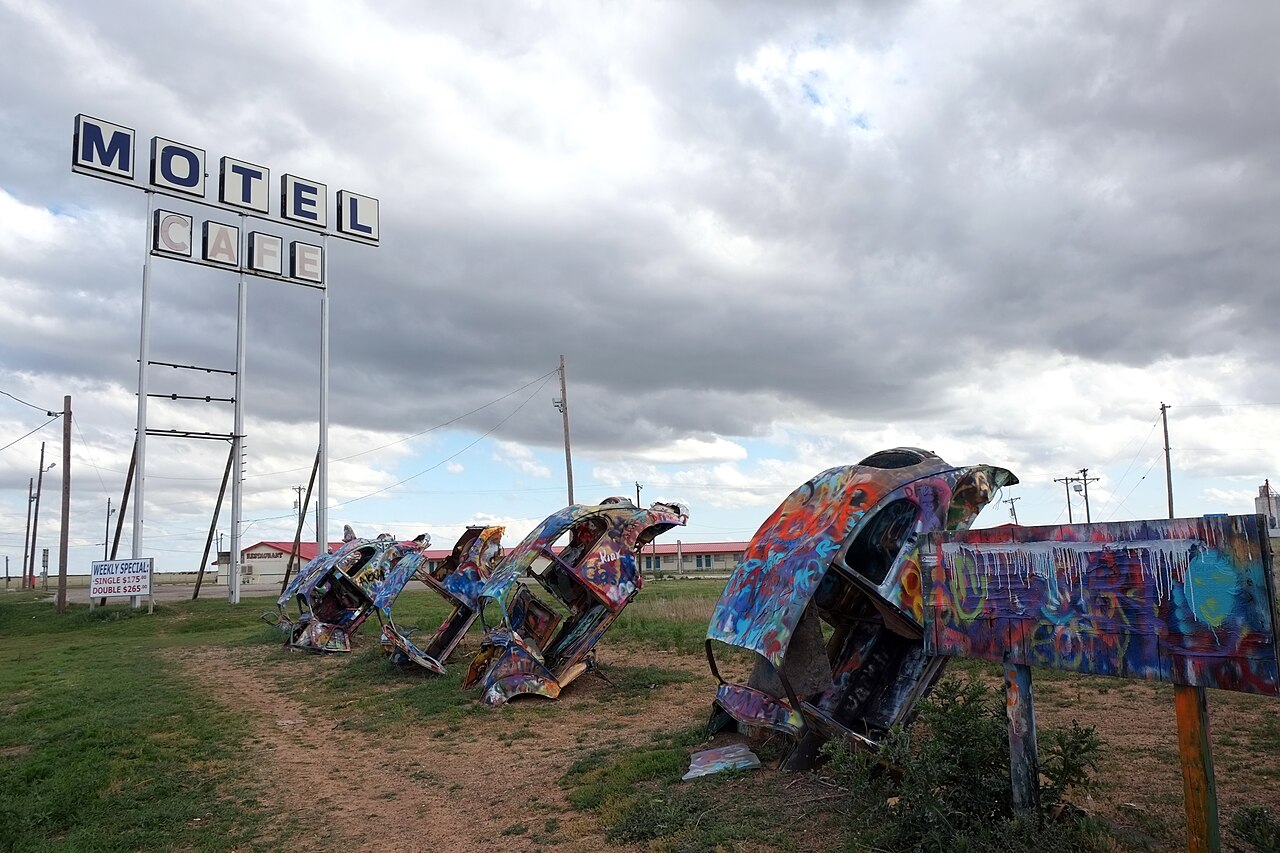
If you want pure roadbed feel, this is hard to beat. This short stretch west of Conway is prized because the road itself is the star. No gimmicks needed. No oversized statue required.
The attraction is the old alignment, the quiet, and the way the pavement pulls straight into that enormous Panhandle sky.
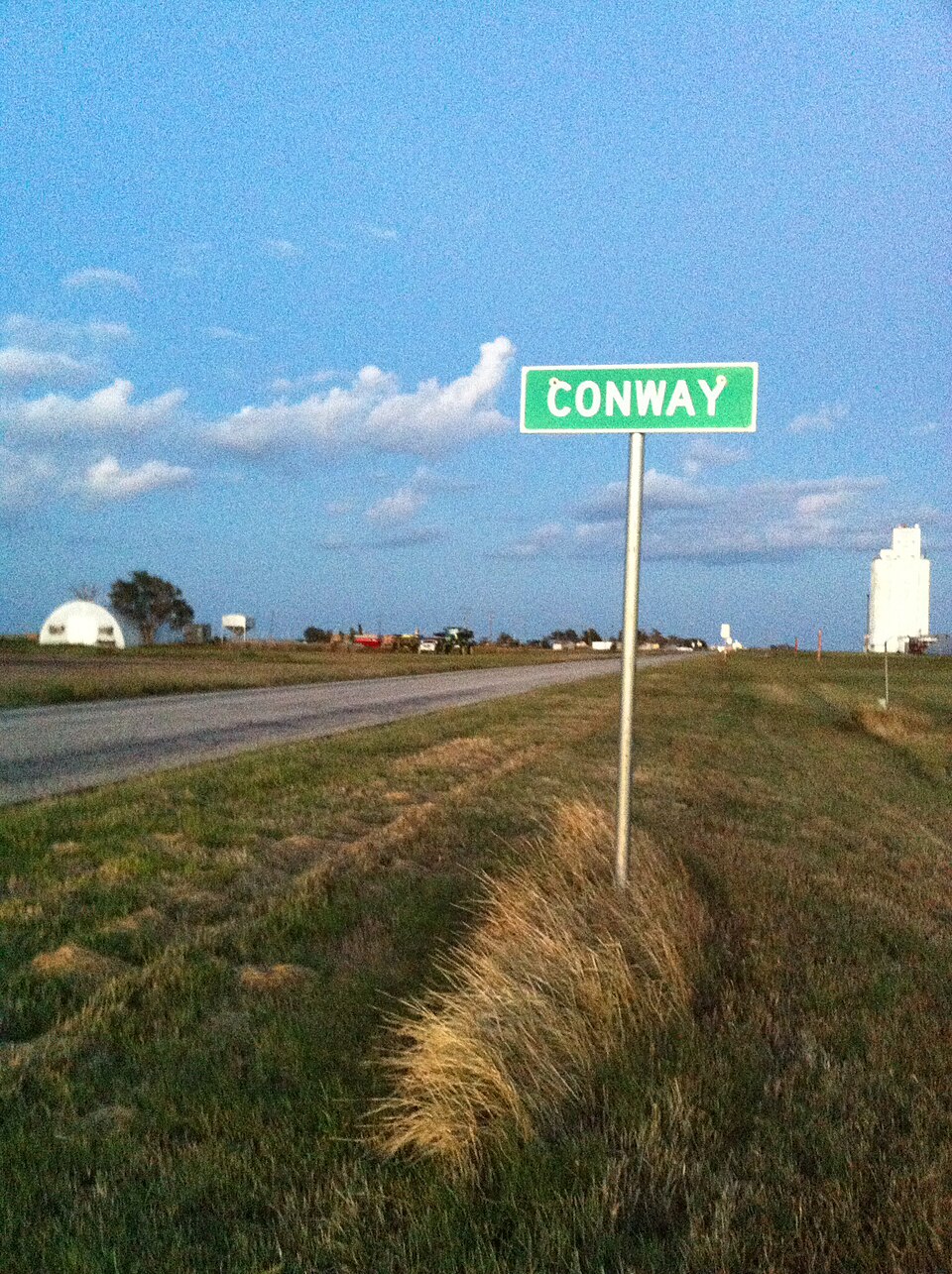
Sometimes the best Route 66 experiences are the simplest. A fence line. A grain elevator. A two-lane road that seems to know it has outlived every prediction against it.
This is one of those places. It is short, but it feels pure. If you have ever wanted the stripped-down version of Route 66, the kind where the road and the land are enough, this is your spot.
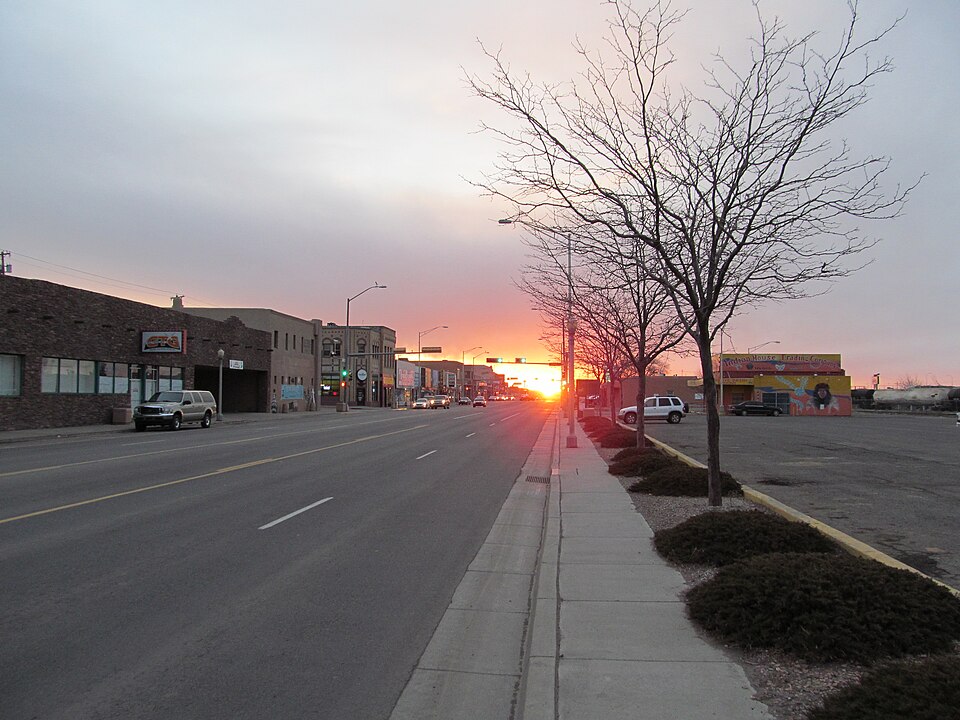
13. Sixth Street, Amarillo, Texas
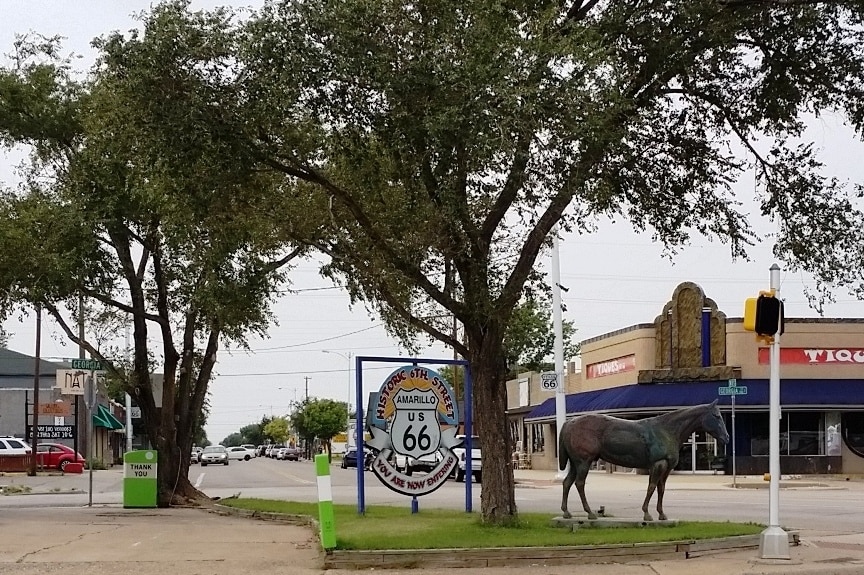
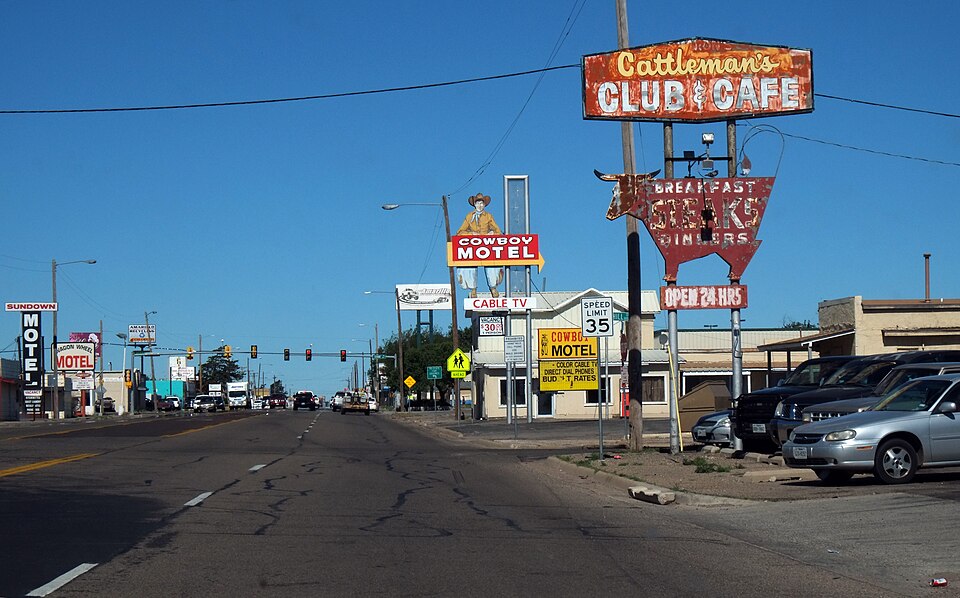
Amarillo gives Route 66 an urban chapter, and it is a good one. Sixth Street still carries the old commercial-strip feeling in a way that feels alive instead of embalmed.
This is where the Mother Road put on clean clothes and went to town.

What makes Sixth Street work is contrast. After all the lonely pavement and open country, here comes a district full of storefronts, signs, and a little more bustle.
It reminds you that Route 66 was not only a road through nowhere. It was also a chain of local main streets, each one trying to pull travelers in for one more meal, one more tank of gas, one more night in town. Amarillo still understands that game.
New Mexico
14. Glenrio to San Jon, New Mexico
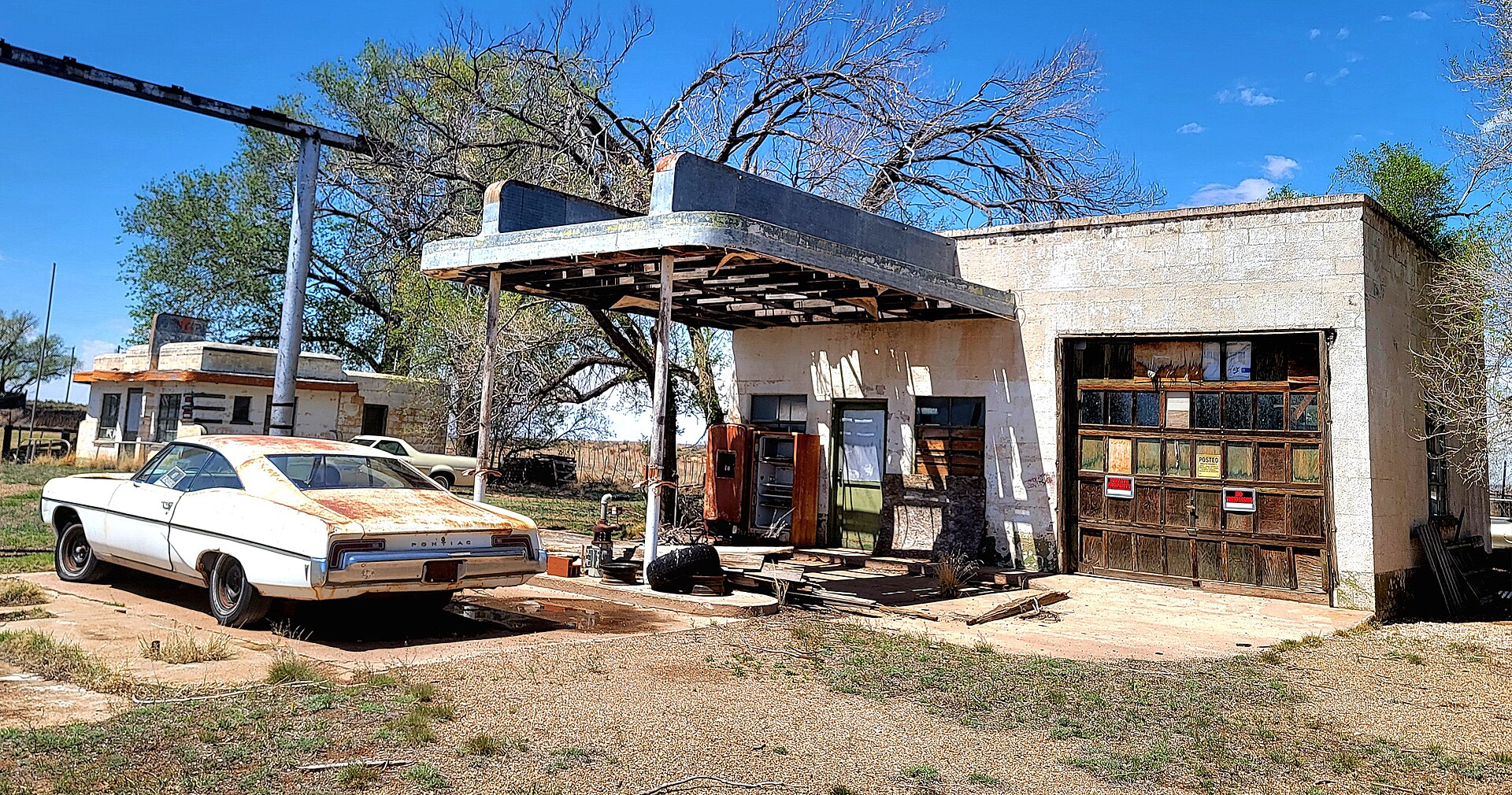
This is where things start getting haunted in the best possible way. Glenrio, right on the Texas-New Mexico line, is one of those places that feels like Route 66 never fully left.
The buildings, the emptiness, the old grade, and the sense of abandonment all work together.
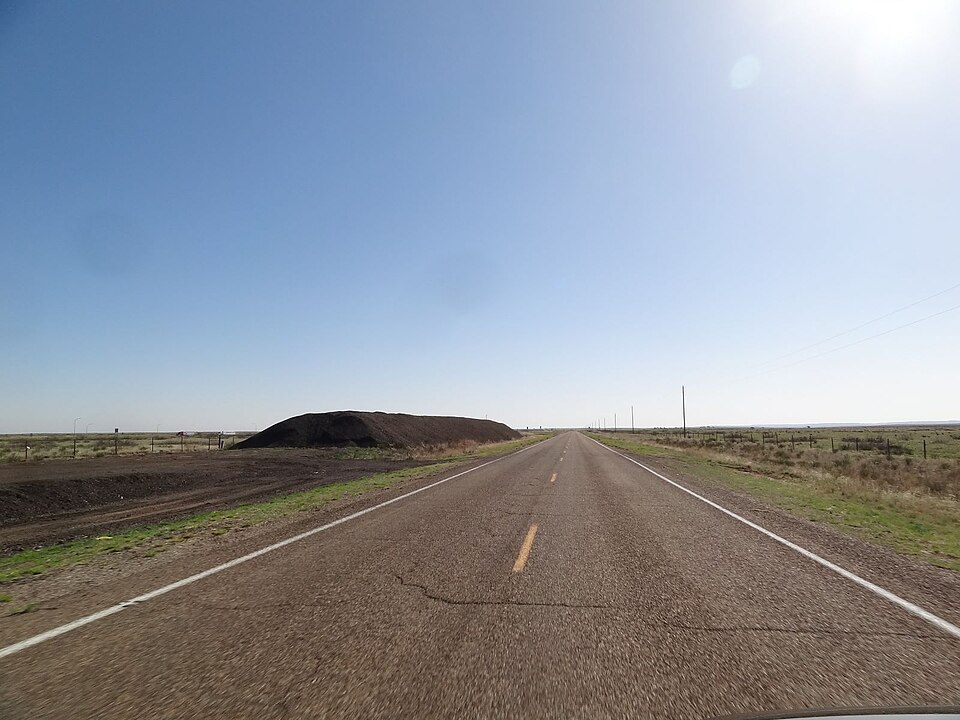
This is not a polished roadside attraction. It is a mood piece. The Glenrio to San Jon segment is for travelers who love the lonelier side of the Mother Road, the places where history is not restored so much as weathered in plain sight. Gravel, dirt, and caution all come with the package, but so does one of the most atmospheric stretches on the whole route. It feels like a postcard somebody left out in the sun for 70 years.
15. San Jon to Tucumcari, New Mexico
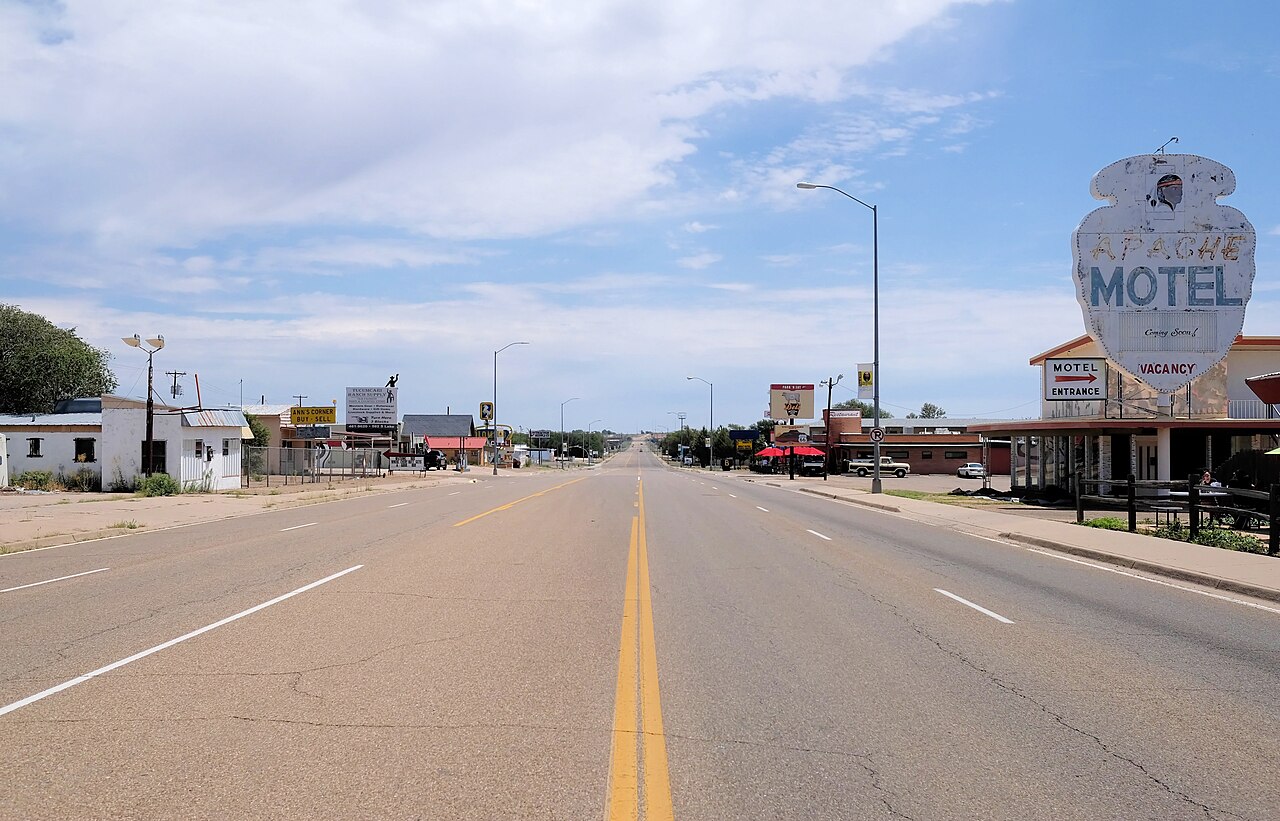
Then Route 66 does what it has always done best. It goes from lonely to lively in one strong pull. The approach into Tucumcari is one of the finest arrivals on the whole road.
You get that old sense of a town rising out of the landscape, and then the neon starts doing the talking.
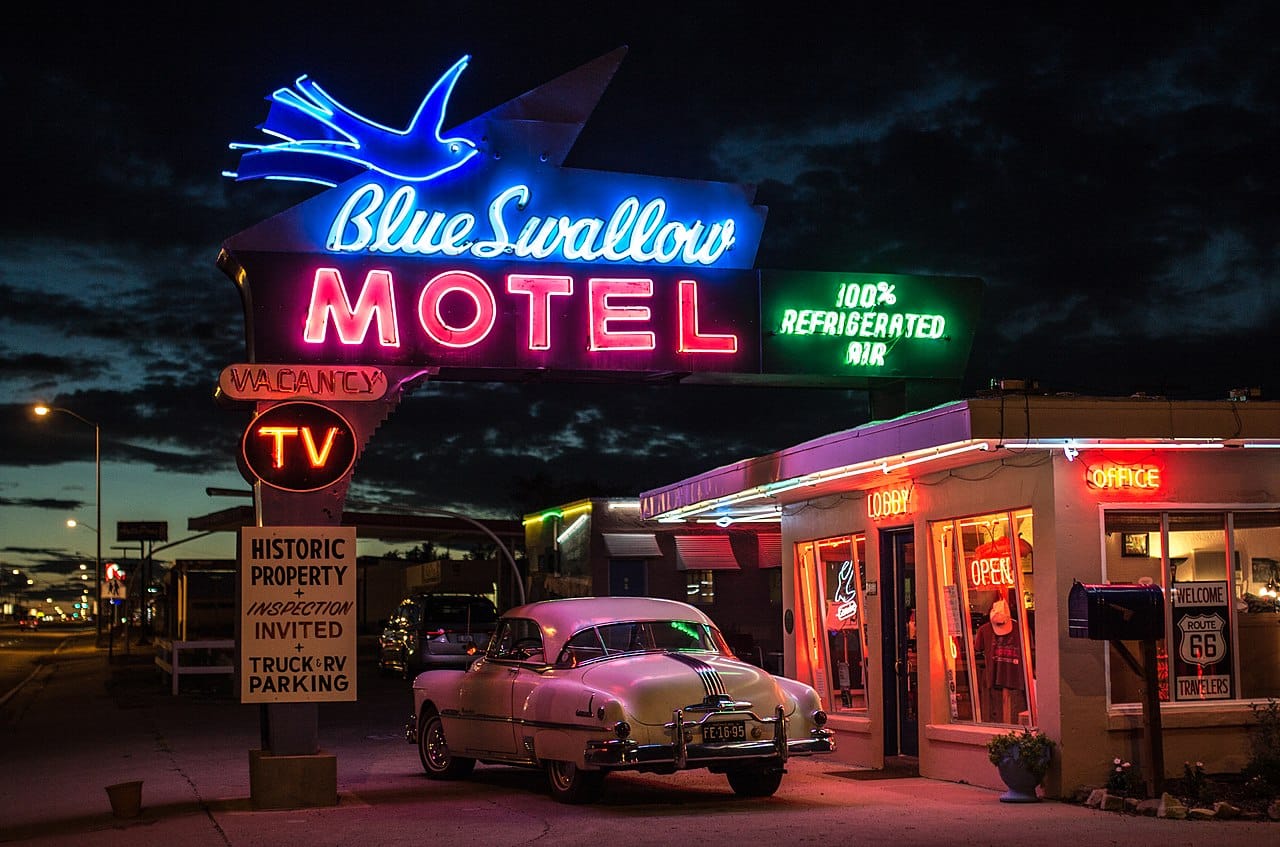
The Blue Swallow Motel is the headliner, and rightly so. It is one of the great Route 66 survivors. But the road into town matters too.
This stretch has old alignment traces, a strong historical feel, and a genuine payoff at the end. If somebody asked me where the classic motel version of Route 66 still feels most alive, Tucumcari would be near the top of the list every time.
16. Montoya to Cuervo, New Mexico
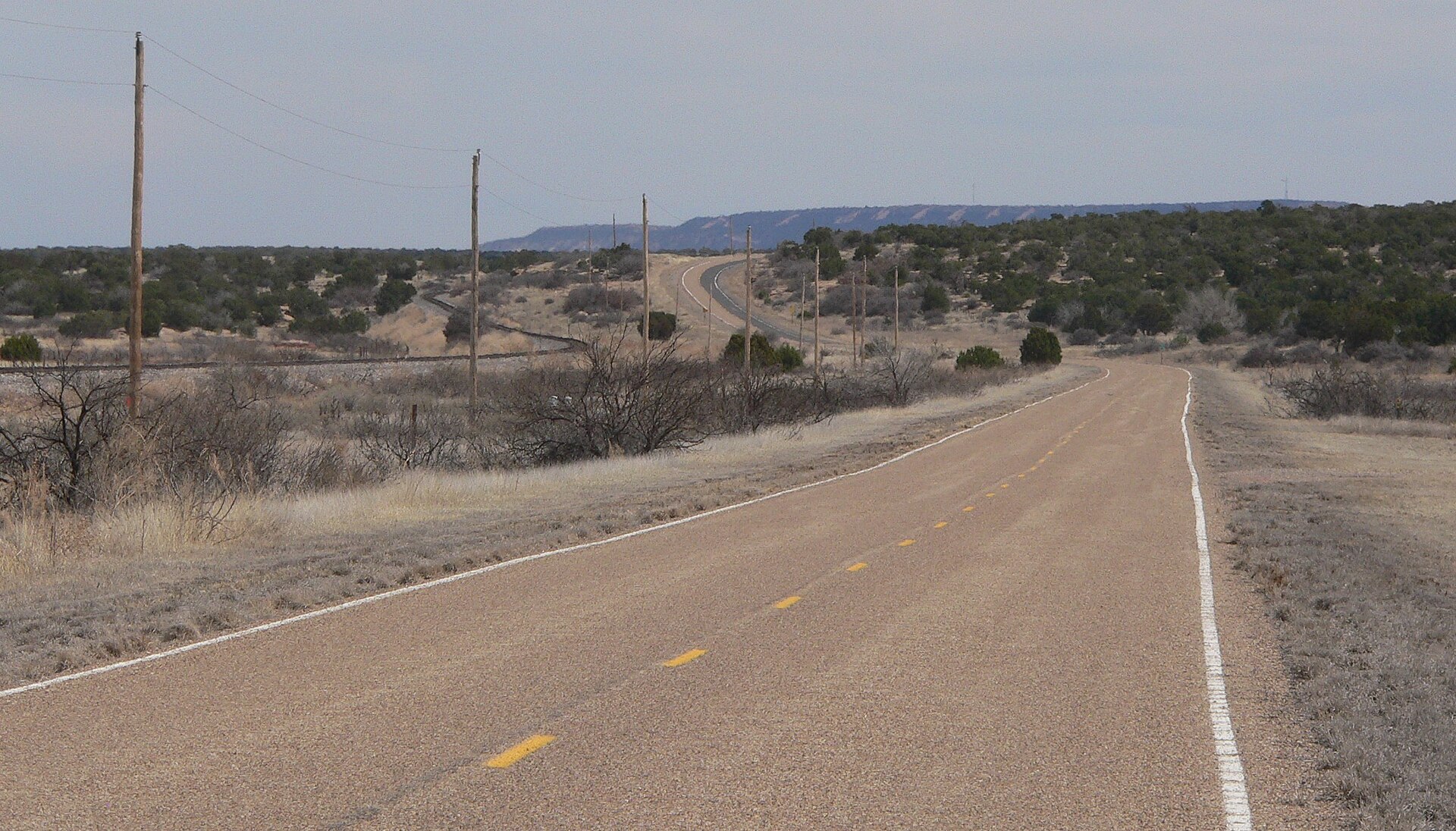
This is one of the quiet masterpieces of the road. Montoya to Cuervo does not overwhelm you with famous attractions.
What it gives you is eerie integrity. The old frontage-road feel, the empty service remnants, the parallel rail line, and the general hush of the place make this stretch feel like a memory you can still drive through.
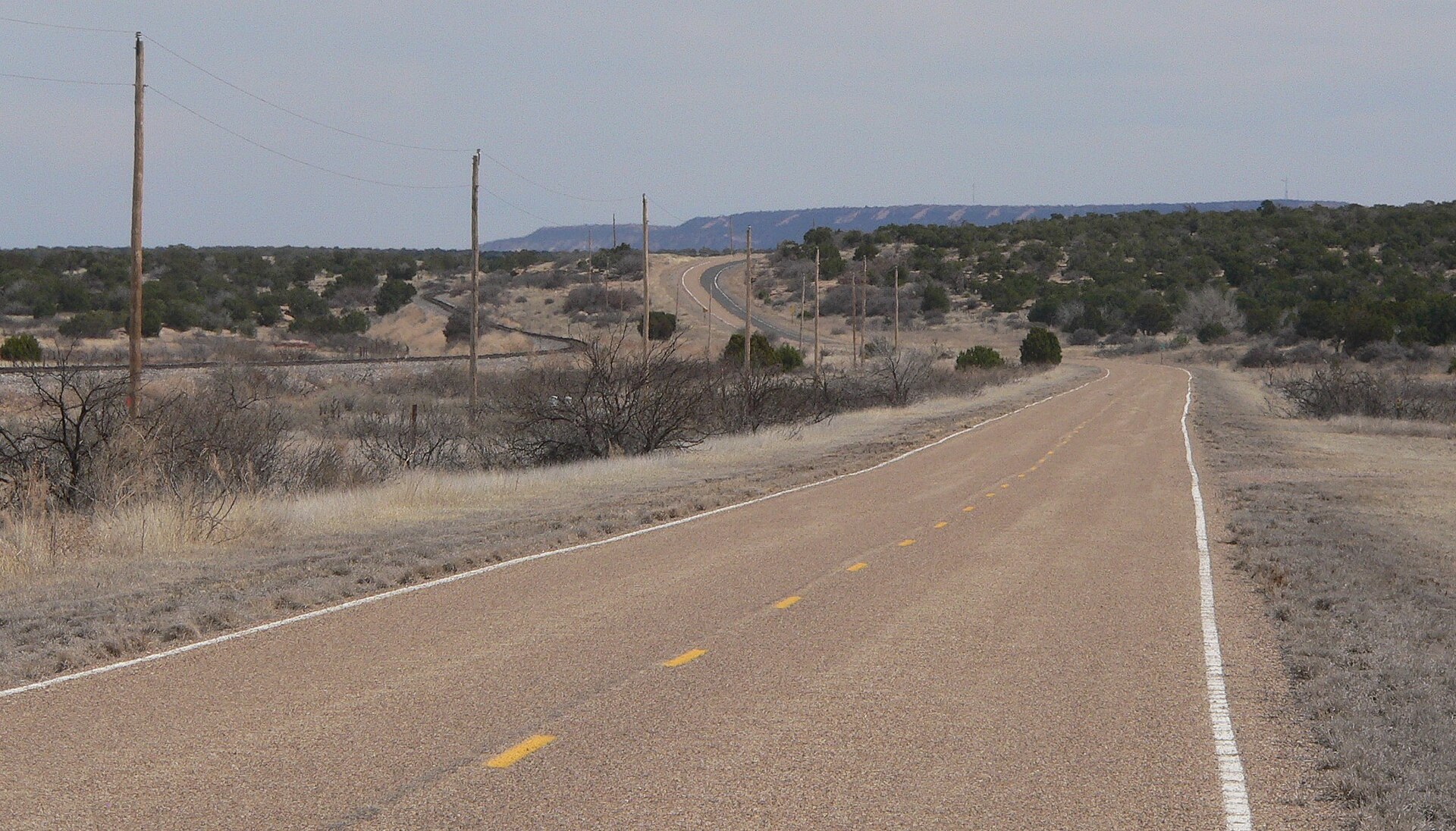
There is something deeply Route 66 about that. Not every great section is a carnival. Some are reflective. Some are almost mournful. This one is.
You feel the rise and fall of places like Newkirk, where the road once sustained garages, cafés, and courts that now sit mostly still. It is beautiful in a quieter way, and that makes it unforgettable.
17. Iyanbito to Rehobeth near Gallup, New Mexico
This stretch is shorter than some of the others, but the setting makes it count. The red cliffs and the cultural landscape near Gallup give it a look and feel unlike the eastern half of the state. This is the Southwest really starting to announce itself.
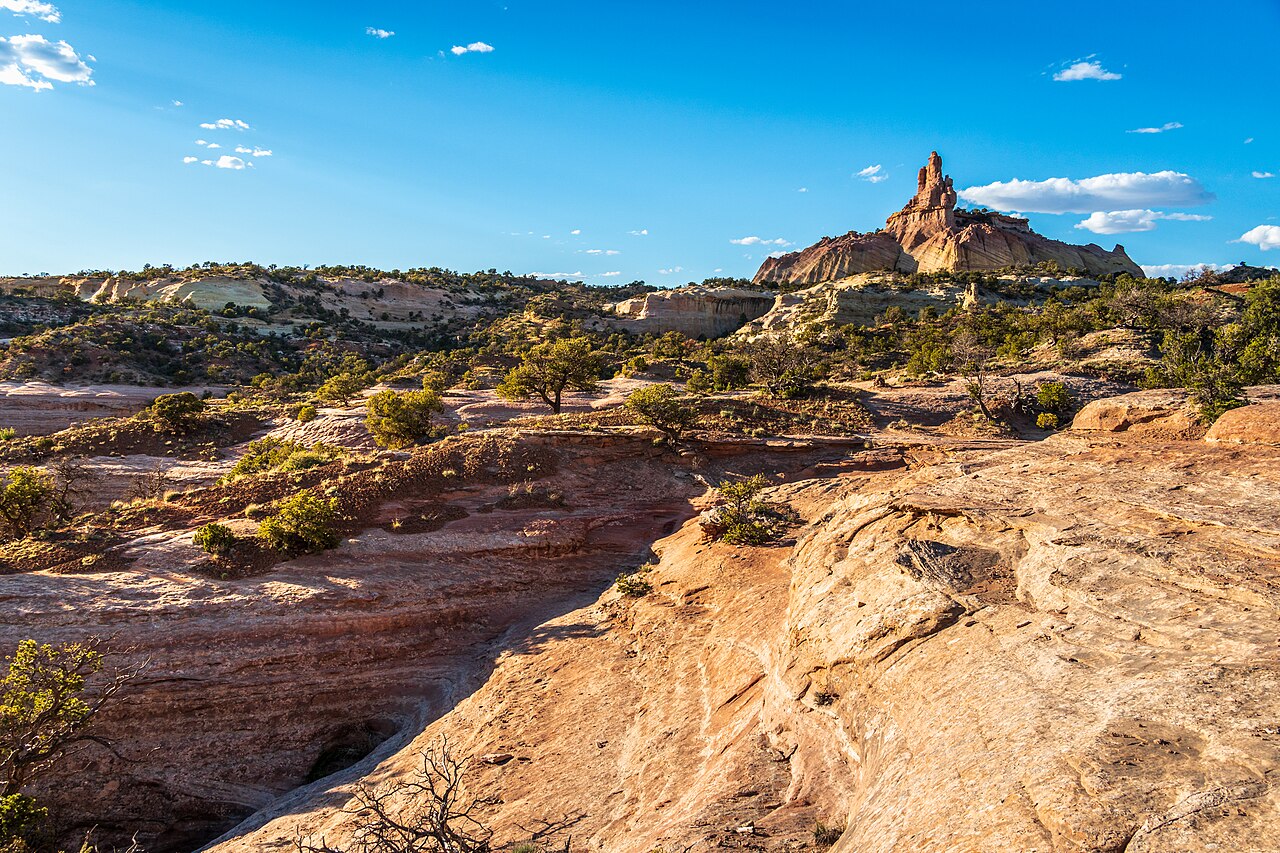
What stands out here is how Route 66 uses the land. The highway does not simply pass through it. It absorbs it. T
he color, the geology, and the wide framing all make this piece feel larger than its mileage. It is a scenic connector, yes, but a beautiful one, and it helps bridge eastern New Mexico’s ghost-road mood with the bigger, more iconic western stretches ahead.
Arizona is where the road gets legendary
If Illinois gives you history and New Mexico gives you atmosphere, Arizona gives you the full movie version. The road gets bolder here. The signs get brighter. The grades get steeper. The little towns get stranger and more lovable.
18. Kingman to Seligman, Arizona
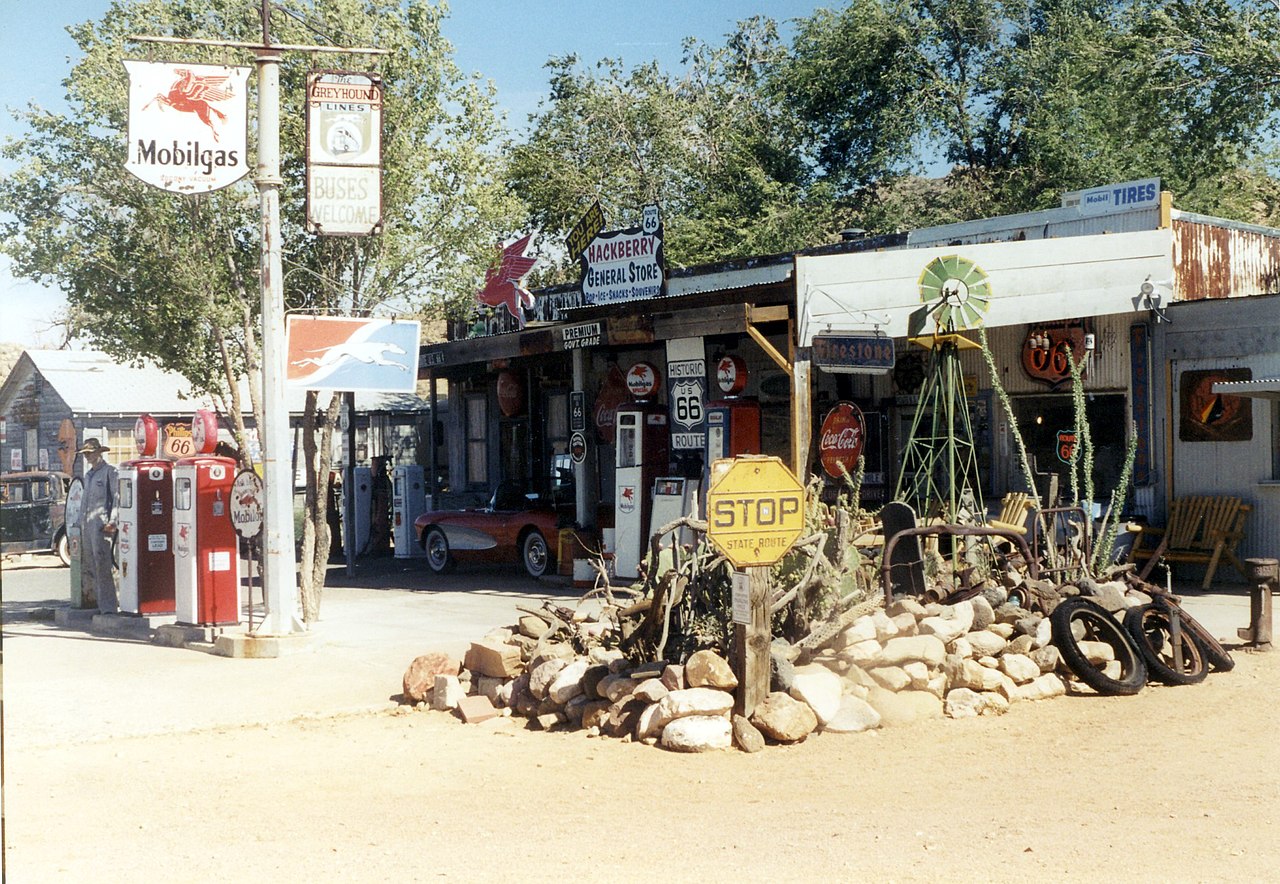
This is one of the signature drives of the whole Route 66 experience. Kingman to Seligman has the right mix of open road, preserved roadside identity, and true-name landmarks.
Hackberry General Store is the sort of place that seems custom built to remind you why America once loved the open highway so much.
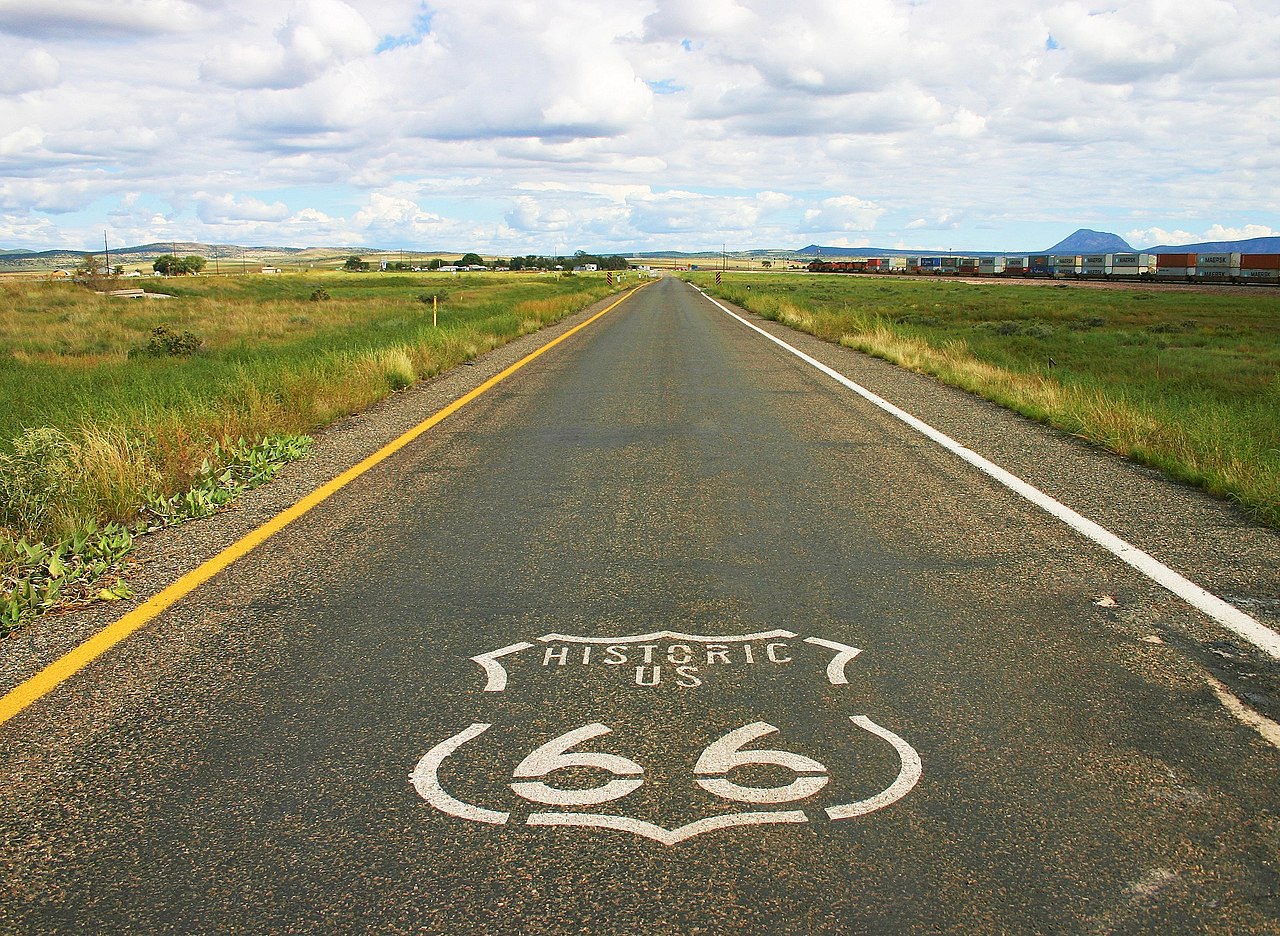
Then there is Seligman, one of the great Route 66 towns, still leaning proudly into its role as a keeper of the flame.
This stretch feels preserved without feeling fake. That is a hard trick to pull off. It has enough distance to let the road breathe, enough stops to keep it entertaining, and enough old spirit to make you think, yes, this is the real thing.
19. Oatman Highway, Arizona
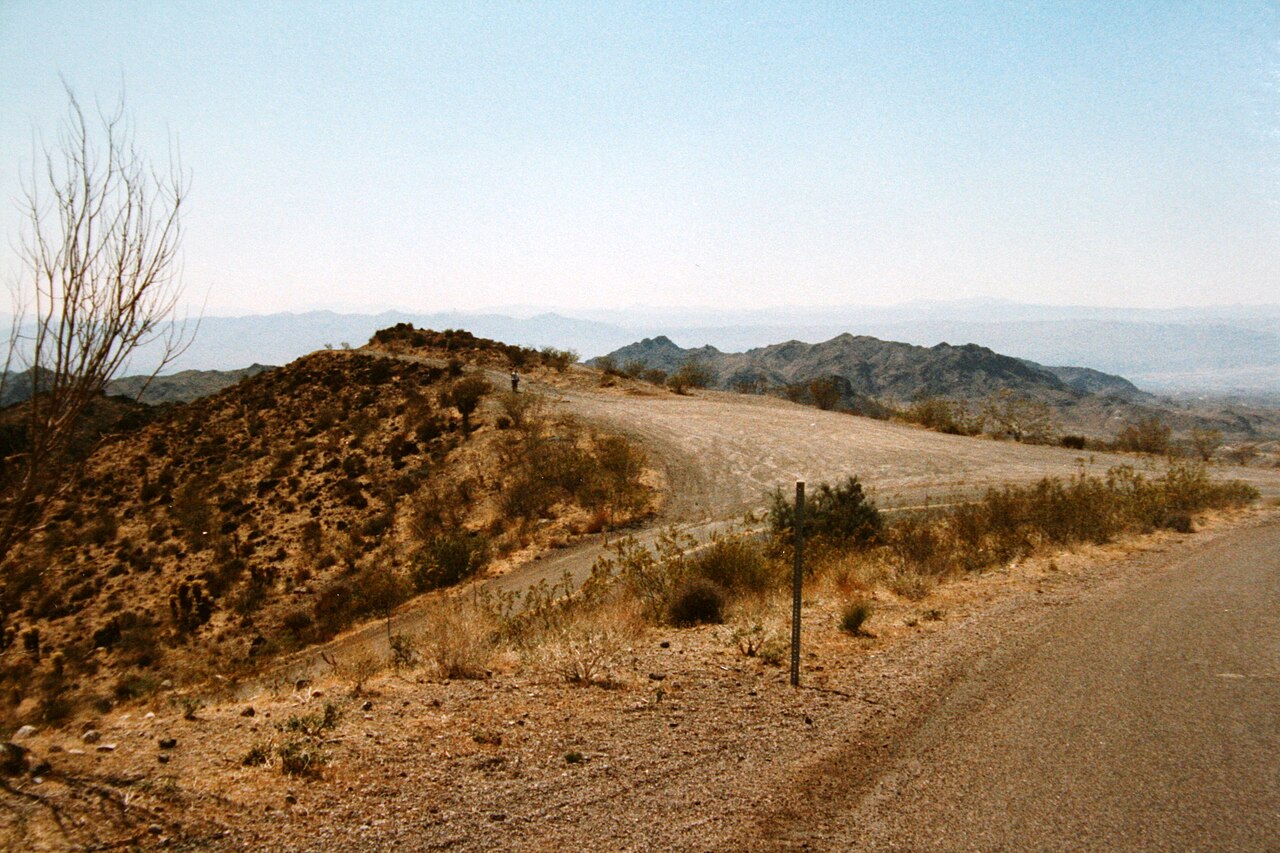
If Route 66 ever wanted to prove it still had a wild streak, Oatman Highway would be the evidence.
This drive over Sitgreaves Pass is one of the most dramatic on the entire route. It twists, climbs, narrows, and forces you to pay attention in a way modern highways rarely do.

Then, just when you think the road has given you enough scenery, you roll into Oatman, which feels like a mining town, a ghost story, and a roadside attraction all at once.
It is weird. It is theatrical. It is completely unforgettable. Route 66 needed a stretch like this, something with a little danger and a lot of personality. Arizona gave it one of its best.
Final Stretch: California
20. Needles to Barstow, California
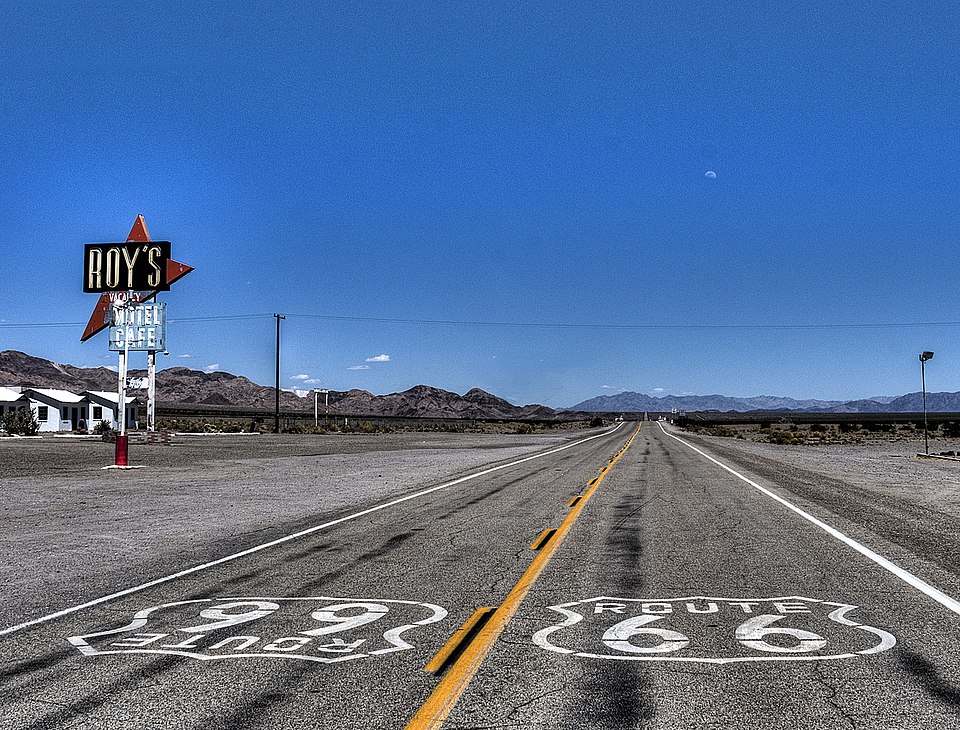
This is the great desert finale, the long California run that proves Route 66 did not limp into the Pacific. It finished with style.
The distance to Barstow is enormous by Route 66 standards, and it feels enormous too. The emptiness is part of the thrill. So is the sense that every surviving sign, motel, café, and roadside shell had to earn its survival out here.
Roy’s in Amboy is the star image, and deservedly so. That sign is Route 66 mythology made real. But the whole corridor matters.
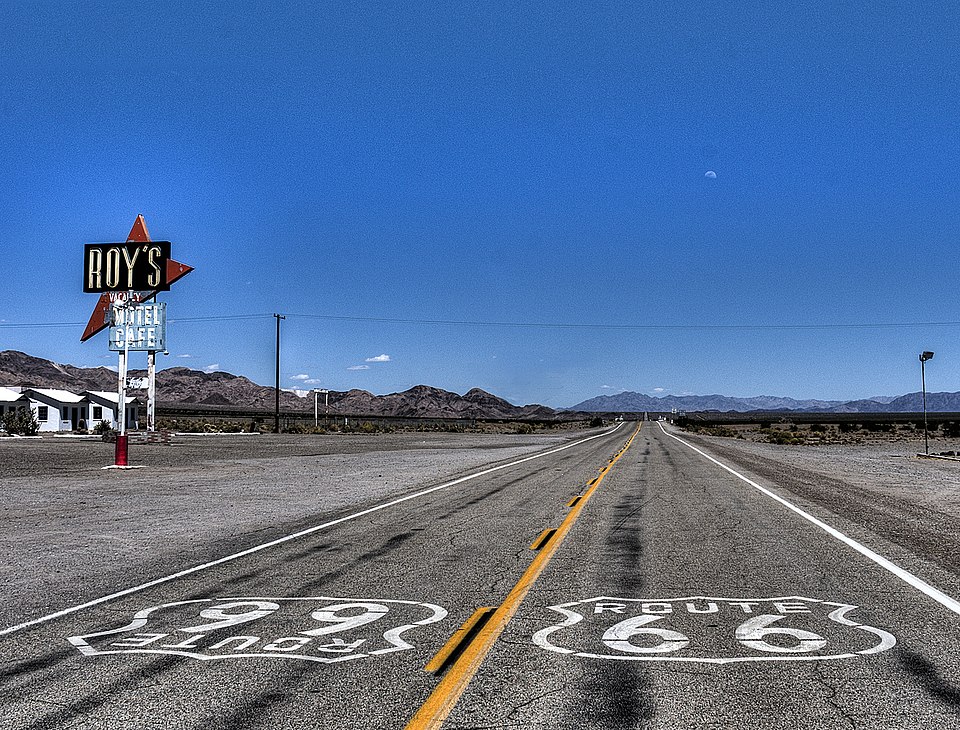
Mojave desert scenery, old roadside survivors, and that big western light make this one of the most emotionally satisfying drives on the entire route. It feels like the road is using everything it has left for one final flourish before the coast.
By the time you get beyond Barstow and press on toward the Los Angeles Basin, the road becomes more fragmented, more urban, and harder to read in one clean line.
But the ending still matters. Route 66 still points you west, all the way to Santa Monica, where the Mother Road finally gives up the pavement and hands itself over to the Pacific.
That is how it ought to end: not with silence, but with surf, sunlight, and the feeling that a road can outlive its own obituary.
