
Some used cars seem to ignore the normal rules. The paint may be faded, the seat worn smooth, and the odometer deep into six figures—yet the engine starts, settles into a quiet idle, and heads out for another day.
That is what mechanics usually mean by “bulletproof.”
It does not mean the car will never need repairs. It means the engine and transmission can last an unusually long time when fluids are changed, and small problems are fixed early.
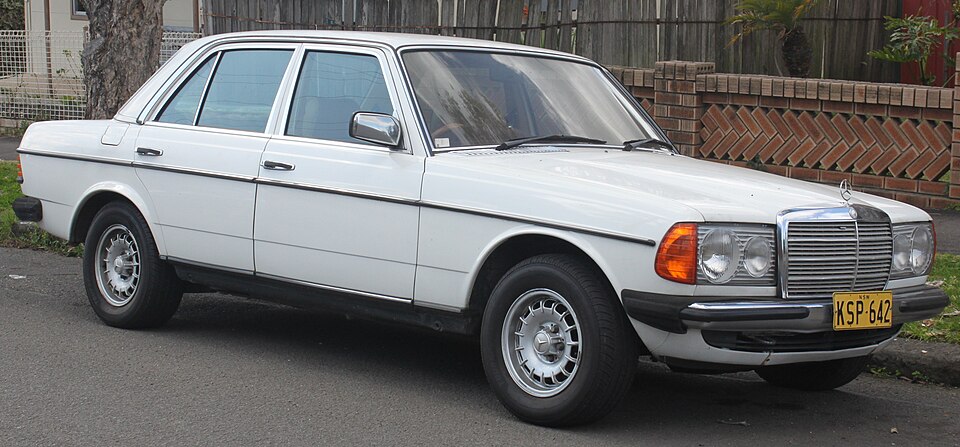
A 2025 iSeeCars study of nearly 400 million vehicles found several models on this list among the cars most likely to reach 250,000 miles.
Still, the badge is only the beginning. A neglected 80,000-mile car can be worse than a well-maintained one with 180,000 miles. Check the service history, start it cold, inspect for rust and leaks, and have an independent mechanic examine the exact car before buying.
The rule that matters most: Buy the maintenance history, not the reputation. A famous badge cannot make up for years of neglect.
1. Toyota Avalon

The Avalon is what happens when Toyota builds a large, quiet sedan for people who care more about comfort than showing off. That lack of drama is a big part of its appeal. Many Avalons spend their early years carrying careful owners to work, church, appointments, and family gatherings rather than being modified or driven hard.
The naturally aspirated V6 used in many Avalons is smooth, understressed, and widely understood by independent repair shops. The car also avoids some of the complicated air-suspension systems and high-performance hardware that can make an aging luxury sedan frighteningly expensive.

For older drivers, the Avalon may be one of the most comfortable cars on this list. It has a roomy cabin, broad seats, a soft ride, and controls that usually feel familiar. It is also easier to find at a reasonable price than a comparable Lexus with the same mileage.
Do not let the Toyota badge end the inspection. Check for oil and coolant leaks, neglected transmission fluid, worn suspension parts, uneven tire wear, and a dashboard full of warning lights. Early service records are especially valuable because a low-mileage Avalon that sat for years may still need rubber parts, brakes, tires, and fluids.
Best fit: A driver who wants a traditional sedan, generous room, and highway comfort without paying luxury-car prices.
2. Toyota Camry

The Camry has spent decades being called boring, and that insult has probably helped thousands of owners get to work every morning. Most Camrys were designed around ordinary engines, ordinary tires, and ordinary driving. There is less temptation to modify one, race one, or pretend it is something it is not.
Parts are everywhere, mechanics know them well, and used examples exist in nearly every price range. That makes a Camry easier to keep alive than a rare car that needs special-order parts or a specialist for every repair.

The smartest used Camry is not automatically the newest or the one with the lowest odometer reading. Some four-cylinder years deserve extra scrutiny for oil consumption, while any automatic transmission should shift cleanly when cold and fully warmed up. Ask how often the owner checked the oil—not only how often it was changed.
Look for a cold start without smoke or rattling, clean fluid, even tire wear, working air conditioning, and evidence that coolant, spark plugs, belts, and other scheduled items were not ignored. A plain LE with records can be a much better buy than a spotless higher trim with a mysterious history.
Best fit: A shopper who wants inexpensive parts, familiar controls, a comfortable ride, and almost no learning curve.
3. Honda Accord

The Accord earned its following by combining durability with something the Camry did not always prioritize: a little personality. Steering tends to feel sharper, four-cylinder engines are willing, and the cabin usually gives drivers a clear view of the road.
A cared-for Accord can pile on commuter miles without feeling like a worn-out penalty box. The four-cylinder versions are especially popular with long-term owners because they offer useful power without the additional heat, weight, and maintenance needs of some V6 configurations.

Generation matters. Certain older V6 Accords deserve careful transmission inspection, and engines equipped with timing belts need documented belt service. A timing chain is not an excuse to ignore oil level or oil-change intervals, either.
During a test drive, listen for front-end clunks, feel for delayed or harsh shifts, test the air conditioning, and make sure every warning light illuminates briefly when the key is turned on. A seller who removed a warning bulb is much more dangerous than a scratched bumper.
Best fit: Someone who wants Honda durability but still cares about steering feel, visibility, and a slightly more engaging drive.
4. Lexus ES

The Lexus ES is one of the easiest ways to buy a quieter, softer Toyota without stepping into the repair world of a complicated European luxury car. It was built for comfort, not racetrack numbers, and that usually means the drivetrain has lived a less stressful life.
Many ES models share major engineering ideas and components with dependable Toyota sedans. The difference is the extra sound insulation, softer materials, power accessories, and a dealership badge that can make a clean used example feel far more expensive than it is.

That luxury equipment still matters as the car ages. Test every seat motor, window, mirror, lock, climate-control button, and dashboard display. A strong engine does not make a broken power seat cheap, and a quiet test drive can hide worn struts or tires.
Service records from a longtime owner are worth paying for. Verify which engine the car has, whether it uses a timing belt or chain, and which major services were completed. Avoid assuming that every ES is simply a Camry with leather; parts prices and labor can still be higher.
Best fit: An older driver who wants a smooth ride, supportive seats, a quiet cabin, and familiar Toyota-style operation.
5. Toyota Corolla

The Corolla may be the closest thing the car world has to a refrigerator: simple, useful, and easy to take for granted until it stops working. Fortunately, many of them keep working long after the paint fades and the driver’s seat starts showing its age.
Small engines, modest power, common tire sizes, and widely available parts all help. A Corolla rarely asks its transmission or cooling system to handle the kind of load found in a heavy SUV or powerful performance car.

Do not confuse simple with indestructible. Older Corollas can burn oil, leak fluids, develop noisy wheel bearings, and wear through engine mounts or suspension parts. Cars used for short trips may also have more age-related deterioration than their low mileage suggests.
Check the oil level before the test drive. If it is low, that tells you something about the seller’s habits. Look underneath for rust, inspect the tires for uneven wear, test the air conditioning, and listen for buzzing or vibration when stopped in Drive.
Best fit: A budget-focused shopper who wants easy parking, low operating costs, and a car most neighborhood repair shops can service.
6. Honda Civic

Civics have survived college parking lots, delivery routes, long commutes, teenage drivers, and decades of winter starts. A good one feels light, efficient, and willing. It can deliver excellent fuel economy without making the owner feel trapped in a disposable economy car.
The problem is that the Civic’s popularity also attracts modifiers. Lowered suspension, oversized wheels, loud exhaust systems, bargain replacement parts, and mystery wiring can erase the advantage of Honda engineering.

An unmodified Civic with boring service records is usually the prize. Check the cooling system, oil level, air conditioning, paint condition, wheel bearings, and suspension. Make sure the tires match and that the car tracks straight without steering-wheel shake.
Newer turbocharged Civics can be good cars, but shoppers seeking maximum simplicity may prefer a naturally aspirated engine with a well-documented history. No version should be purchased solely because the seller says, “It’s a Honda.”
Best fit: A driver who wants excellent fuel economy, easy maneuverability, and a car that still feels lively in everyday traffic.
7. Toyota Prius

The Prius embarrassed a lot of early predictions. Critics assumed an aging hybrid would become a disposable appliance the moment its battery weakened. Instead, high-mileage examples became common in taxi, delivery, and rideshare work.
The drivetrain reduces some traditional wear. Regenerative braking can extend brake life, and the gasoline engine does not always run while the vehicle is moving. That does not make the car maintenance-free, but it helps explain why so many have crossed enormous mileage totals.

A used Prius needs a different inspection than a normal sedan. Ask for a hybrid battery health check, listen for unusual brake-system noises, inspect the battery cooling fan, and verify that all dashboard warning lights behave normally. A seller who recently cleared codes can make a short test drive misleading.
Engine oil level, coolant condition, tire wear, and ordinary suspension parts still matter. Price the possibility of a future battery or brake-system repair before buying, then compare that cost with the fuel savings and purchase price.
Best fit: A high-mileage driver who values fuel savings and is willing to have the hybrid system evaluated before purchase.
8. Honda CR-V

The CR-V may be the most practical choice here for a driver who no longer enjoys dropping down into a low sedan. It offers an upright seating position, manageable exterior size, useful cargo space, and better visibility than many newer crossovers with dramatic rooflines.
Older CR-Vs are especially appealing because they combine simple controls with four-cylinder engines and a reputation for absorbing years of family use. They are not fast, luxurious, or exciting—and that is exactly why many owners keep them.

All-wheel drive adds traction but also adds maintenance. Ask whether the rear differential fluid was serviced and listen for binding or groaning during slow, tight turns. Test the air conditioning carefully, inspect the rear suspension and wheel bearings, and look underneath for rust.
Entry height varies by generation, so sit in the exact vehicle rather than assuming every CR-V will be comfortable. Check whether the seat, steering wheel, mirrors, and pedals can be adjusted without strain.
Best fit: A driver who wants easy entry, good outward visibility, grocery-friendly cargo space, and Honda familiarity.
9. Toyota RAV4

The RAV4 became a default recommendation because it gives shoppers much of what they actually use: a comfortable seat height, a hatchback, decent fuel economy, and a footprint that still fits in ordinary parking spaces.
Well-kept RAV4s can feel remarkably tight at high mileage. Toyota also sold enough of them that parts and repair information are easy to find. The downside is the “Toyota tax”—sellers often ask a premium simply because the badge has a reliable reputation.

Do not pay that premium without evidence. Some four-cylinder model years deserve extra attention for oil consumption, and any all-wheel-drive version should have matching tires and a clean service history. Check for water leaks, suspension noise, oil seepage, and collision repairs around the rear floor and spare-tire area.
A more expensive RAV4 with one owner and a thick folder of receipts can be cheaper than a bargain example that needs tires, brakes, struts, fluids, and an oil-related repair during the first year.
Best fit: A shopper who wants crossover practicality, simple operation, and strong resale value.
10. Lexus RX

The Lexus RX helped create the modern luxury crossover formula: easy entry, a smooth ride, a quiet cabin, and none of the truck-like behavior that once came with an SUV badge. It is especially attractive to drivers who want comfort without a huge vehicle.
Underneath the soft leather and extra insulation are Toyota-developed engines and components with a strong long-term reputation. The RX hybrid also performed well in the 2025 iSeeCars longevity study, although battery condition becomes part of the buying decision.

Luxury equipment creates more opportunities for age-related expense. Test the power liftgate, heated seats, navigation screen, climate control, mirrors, cameras, locks, and every key fob. Confirm whether the specific engine uses a timing belt or chain and ask for proof of the required service.
On hybrids, get the battery and cooling system evaluated. On every RX, inspect for oil and coolant leaks, worn struts, uneven tires, and neglected all-wheel-drive fluids. A quiet cabin can make subtle wheel-bearing or suspension noise harder to notice.
Best fit: A driver who wants easy entry and a soft, quiet ride but still values Toyota-based mechanical durability.
11. Buick LeSabre With the 3800 V6

The Buick LeSabre is the car people forget until they spot one still moving through traffic with faded paint and 240,000 miles. Its secret weapon is GM’s 3800 V6, an engine many mechanics remember as tough, simple, and capable of surviving years of ordinary use.
It also offers something increasingly rare: a broad seat, soft ride, low noise, and a cabin designed before every function moved onto a touchscreen. Clean examples are often inexpensive because they do not carry the same resale premium as a Toyota or Honda.

The engine’s reputation does not make the rest of a 20- or 30-year-old Buick immortal. Inspect the cooling system, intake components, plastic coolant elbows, valve-cover area, transmission behavior, brake lines, suspension, and underside rust. Age can damage rubber, wiring, seals, and connectors even when mileage is low.
These cars are best purchased from a longtime owner who kept receipts and fixed small problems. A one-owner LeSabre with a plain cloth interior may be a better bet than a shiny car that passed through several auction lots.
Best fit: A value shopper who wants traditional American comfort, inexpensive parts, and an engine with a devoted mechanical following.
12. Ford Crown Victoria, Mercury Grand Marquis, and Lincoln Town Car

Ford’s Panther-platform sedans lasted so long because they were built around an old-school formula: a full frame, rear-wheel drive, a naturally aspirated 4.6-liter V8, and enough room around many components for a mechanic to work. Police departments, taxi fleets, limousine companies, and private owners all proved they could absorb enormous mileage.
The Crown Victoria is the familiar one, but the Mercury Grand Marquis may be the sweet spot for private buyers. It often received gentler use and a more comfortable interior. The Lincoln Town Car adds luxury, but it also adds equipment that should be tested carefully.

Retired police cars can look tempting because they are cheap and may have heavy-duty parts. They may also have thousands of idle hours, holes from removed equipment, hard suspension use, damaged interiors, and wiring changes. A privately owned Grand Marquis or Crown Victoria LX is often the safer starting point.
Inspect the intake manifold area, cooling system, transmission shifts, rear axle, ball joints, steering components, frame rust, and air suspension on models equipped with it. Fuel economy is the unavoidable tradeoff; this is not the car for someone trying to stretch every gallon.
Best fit: A driver who values space, simple rear-wheel-drive construction, a soft highway ride, and traditional American sedan character.
A car that can reach 250,000 miles still needs money, attention, and occasional repairs. The safest purchase is usually the clean, unmodified example with complete records, no serious rust, and an owner who repaired problems before they became emergencies. Pay for a pre-purchase inspection, then keep checking the oil between services after the car is yours.
Image Attributions
All images below were published by their creator in the public domain. The vehicle shown in each photograph is an example of the model or generation discussed and should not be used by itself to identify a specific model year or mechanical configuration.
Toyota Avalon
- “05-07 Toyota-Avalon.jpg” by IFCAR, released into the public domain.
- “2008-Toyota-Avalon.jpg” by IFCAR, released into the public domain.


Toyota Camry
- “Toyota Camry.jpg” by IFCAR, released into the public domain.
- “2000-2001 Toyota Camry.jpg” by IFCAR, released into the public domain.


Honda Accord
- “01-02 Honda Accord.jpg” by IFCAR, released into the public domain.
- “Honda Accord EX.jpg” by IFCAR, released into the public domain.


Lexus ES
- “02-04 Lexus ES.jpg” by IFCAR, released into the public domain.
- “Lexus-ES-350.jpg” by IFCAR, released into the public domain.


Toyota Corolla
- “03-04 Toyota Corolla LE.jpg” by IFCAR, released into the public domain.
- “Toyota Corolla LE.jpg” by IFCAR, released into the public domain.


Honda Civic
- “Honda-civic-sedan.jpg” by IFCAR, released into the public domain.
- “09 Honda Civic EX sedan.jpg” by IFCAR, released into the public domain.


Toyota Prius
- “2nd-Toyota-Prius.jpg” by IFCAR, released into the public domain.
- “04-09 Toyota Prius.jpg” by IFCAR, released into the public domain.


Honda CR-V
- “05-06 Honda CR-V.jpg” by IFCAR, released into the public domain.
- “3rd Honda CR-V EX.jpg” by IFCAR, released into the public domain.


Toyota RAV4
- “04-05 Toyota RAV4.jpg” by IFCAR, released into the public domain.
- “06-08 Toyota RAV4 Base.jpg” by IFCAR, released into the public domain.


Lexus RX
- “2nd-Lexus-RX.jpg” by IFCAR, released into the public domain.
- “Lexus RX350.jpg” by IFCAR, released into the public domain.


Buick LeSabre
- “96-99 Buick LeSabre.jpg” by IFCAR, released into the public domain.
- “2000-05 Buick LeSabre Custom.jpg” by IFCAR, released into the public domain.


Ford Crown Victoria
- “Ford Crown Victoria.jpg” by IFCAR, released into the public domain.
- “2007 Ford Crown Victoria LX.jpg” by IFCAR, released into the public domain.

