
From humble beginnings in the Roaring Twenties to ruling the muscle era with wide-track wonders, this GM rebel thrilled gearheads for decades. Yet, fuel crises and badge-engineered bombs killed the vibe, axing the brand in ’10.
Buckle up as we rev through the 10 hits that ignited passion and the 10 flops that buried the arrowhead.
The Ten Cars That Defined Pontiac
Click Here to Jump to the 10 Flops.
Pontiac’s golden era thundered from postwar fins to muscle-car glory, birthing V8 icons that still thrill gearheads.
From the GTO’s raw power to the Trans Am’s silver-screen fame in Smokey and the Bandit, these 10 greatest hits shine for sales booms, lasting legacy, top performance, and enthusiast pull—Pontiac’s rebellious core.
1. 1964 Pontiac GTO
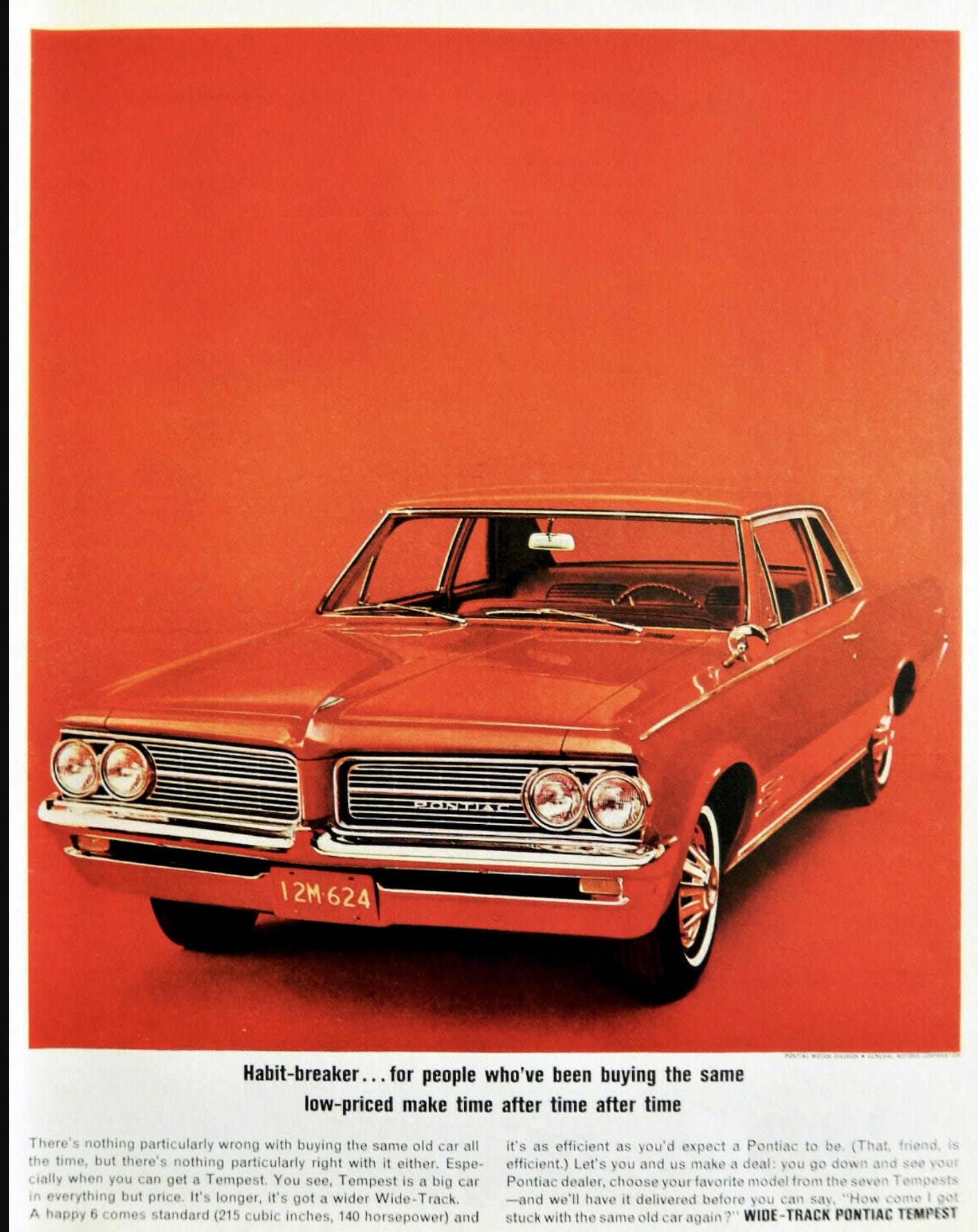
In 1964, Pontiac quietly bent GM’s rules by slipping a 389-cubic-inch V8—normally reserved for full-sizers—into the Tempest LeMans. The result: the GTO, short for Gran Turismo Omologato, a name borrowed from Ferrari.
Standard output was 325 horsepower with a single four-barrel, but the Tri-Power option bumped it to 348 hp, delivering 0-60 in 6.6 seconds and a quarter-mile in 14.8 at 99 mph.
Priced at just $296 extra, it outsold expectations (32,450 units in year one) sparking the muscle-car era. Hood scoops, redline tires, and that wide-track stance made it a street legend, proving Pontiac could outrun the rulebook and the competition.
2. 1969 Pontiac GTO Judge
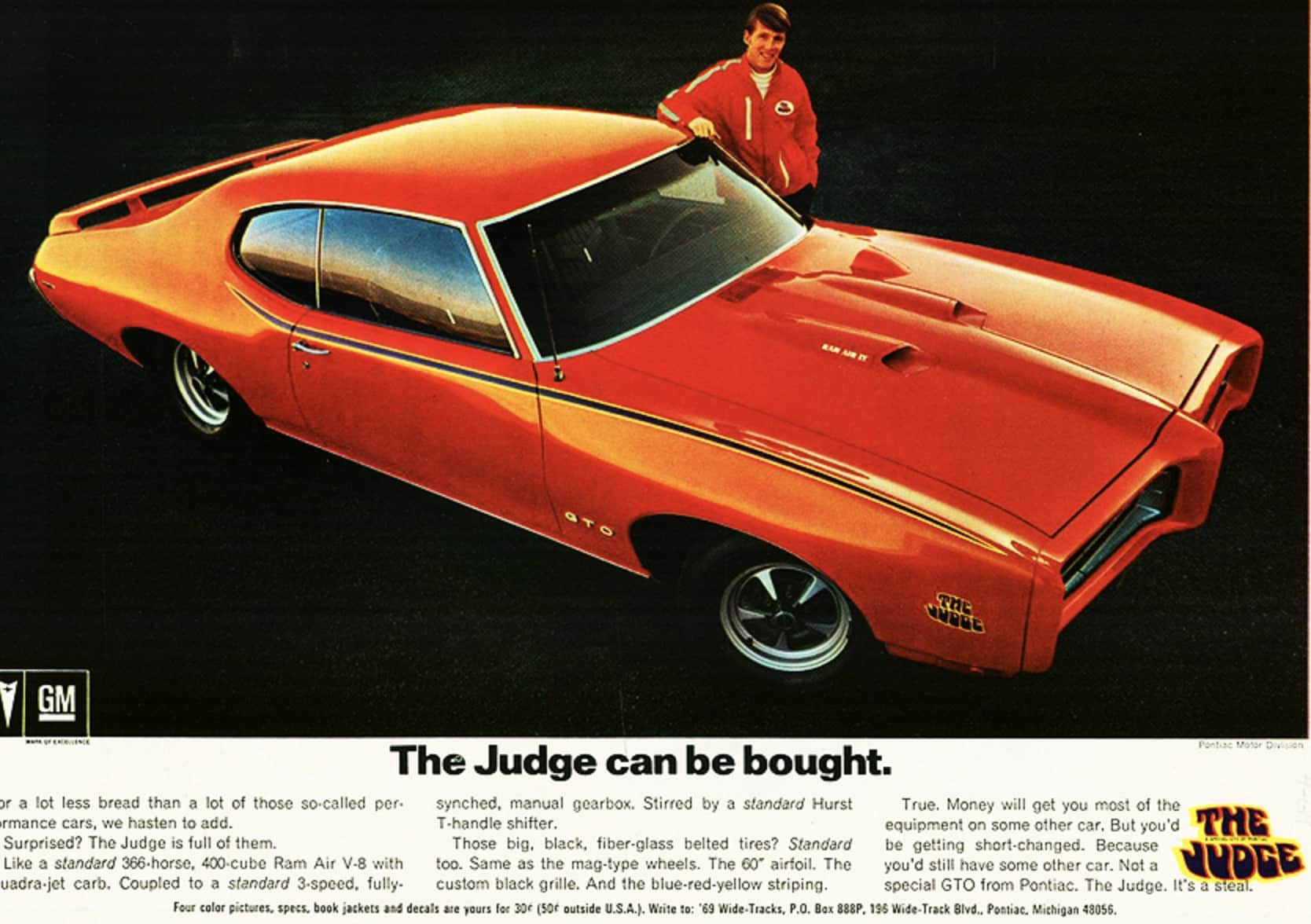
By 1969, Pontiac amped up the GTO with the Judge package, a high-zoot option aimed at street dominance. Priced at $337 extra, it packed a standard Ram Air III 400-cubic-inch V8 with 366 horsepower, or the optional Ram Air IV bumping it to 370 hp and 445 lb-ft of torque.
Carousel Red paint, psychedelic stripes, and a rear spoiler screamed attitude, while Hurst-shifted manuals or Turbo 400 autos delivered 0-60 in under 6 seconds and quarter-miles in the low 14s.
Despite the muscle peak, sales hit just 6,833 units amid rising insurance costs. This Judge ruled as Pontiac’s boldest statement, blending raw power with marketing flair that etched it into enthusiast lore.
3. 1969 Pontiac Firebird Trans Am

Pontiac’s Firebird got its ultimate evolution in ’69 with the Trans Am, borrowing the name from the SCCA racing series.
At $725 over the base Firebird, it featured a 400-cubic-inch V8 in Ram Air III (335 hp) or IV (345 hp) tunes, mated to a heavy-duty suspension, quick-ratio steering, and power front discs.
Signature white-and-blue stripes, functional hood scoops, and a rear spoiler cut through the air, achieving 0-60 in 5.9 seconds and top speeds over 130 mph. Only 697 built that year, including eight convertibles, but it launched a dynasty.
The Trans Am embodied Pontiac’s racing heritage, turning a pony car into a handling hero that outshone rivals.
4. 1973 Pontiac Firebird Trans Am SD-455
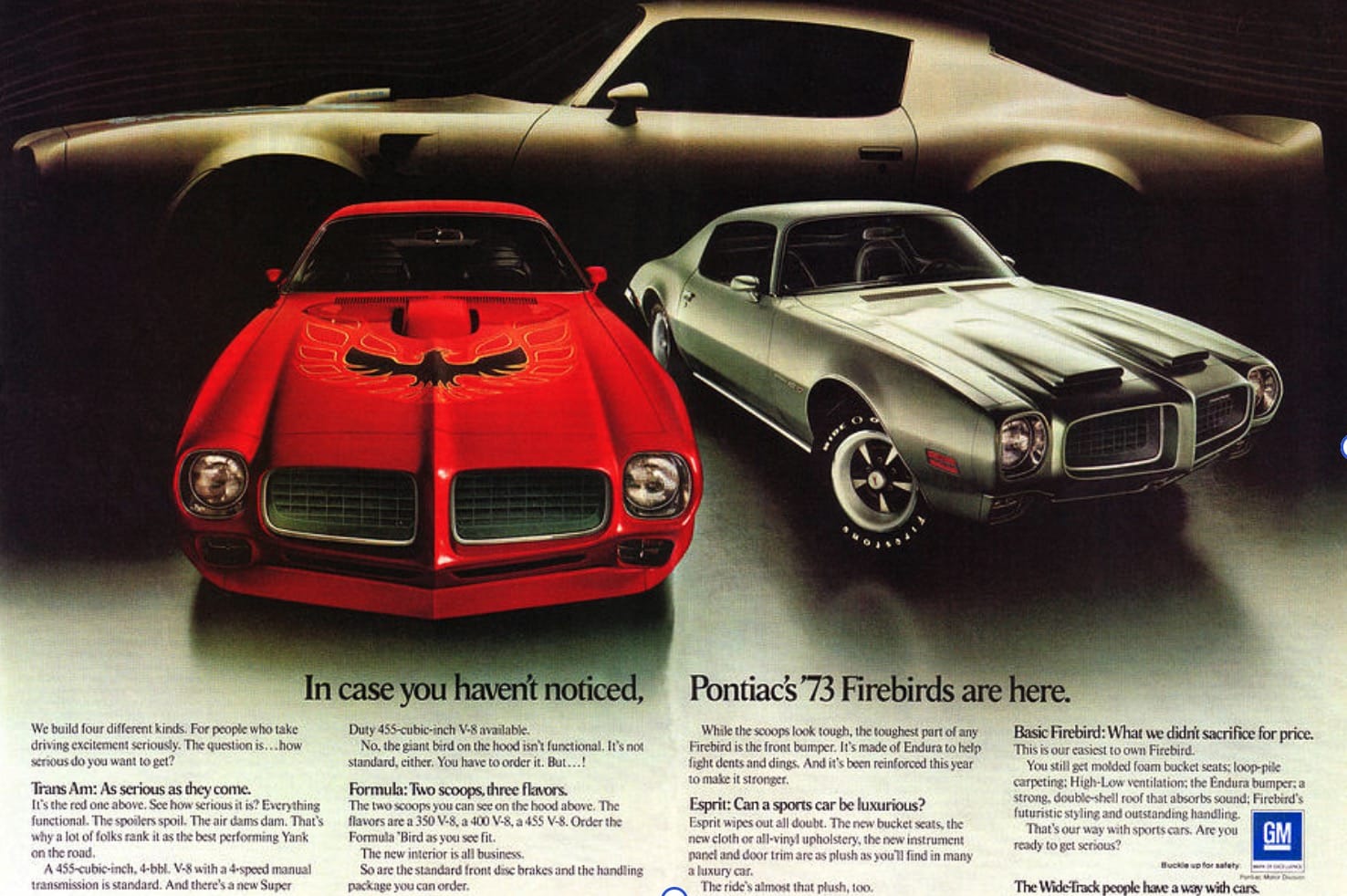
As emissions regs choked muscle cars, Pontiac fought back with the ’73 Trans Am SD-455, packing a Super Duty 455-cubic-inch V8 hand-built for racing.
Rated at 310 horsepower net (likely understated), it delivered 445 lb-ft of torque, pushing 0-60 in 5.4 seconds and quarter-miles in the low 13s.
Heavy-duty suspension, power brakes, and optional radial tires sharpened handling, while the screaming chicken decal debuted.
Priced at $4,200 base, only 252 SD-455 units sold amid fuel crises and insurance hikes. This last gasp of unbridled power preserved Pontiac’s performance legacy, proving the brand could still deliver fire in the malaise era’s dawn.
5. 1977 Pontiac Firebird Trans Am
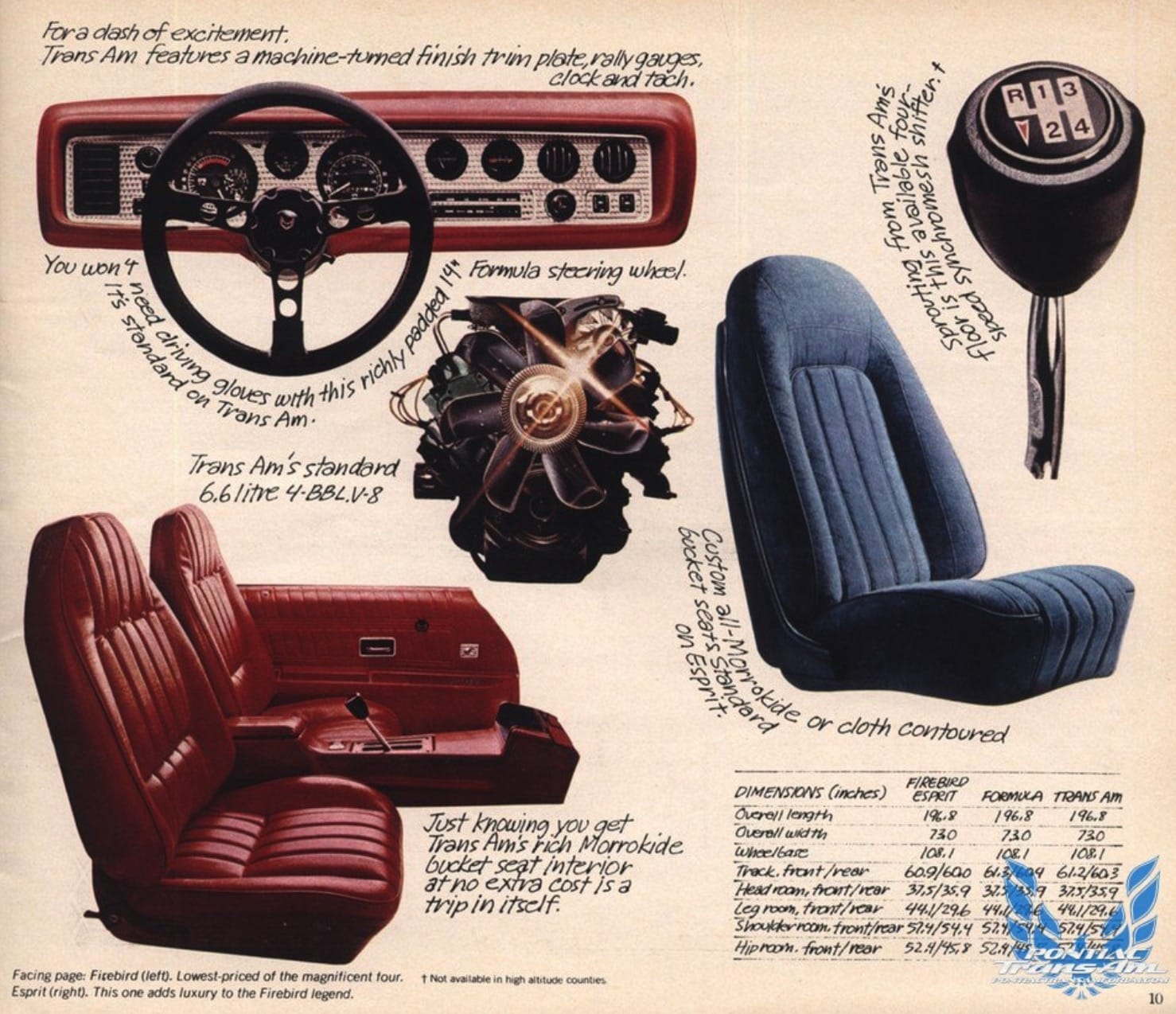
The ’77 Trans Am captured Hollywood magic in Smokey and the Bandit, boosting Pontiac’s profile. Its 400-cubic-inch V8 (T/A 6.6) made 200 horsepower net, with a shaker hood scoop and snowflake wheels adding flair.
Upgraded suspension and four-wheel discs improved road manners, achieving 0-60 in 7.5 seconds despite emissions detuning.
The Special Edition “Bandit” package with gold accents and T-tops pushed sales to over 155,000 Firebirds that year.
Priced around $5,500, it blended style, performance, and pop culture appeal, cementing the Trans Am as Pontiac’s enduring icon amid shifting market tides.
6. 2004-2006 Pontiac GTO
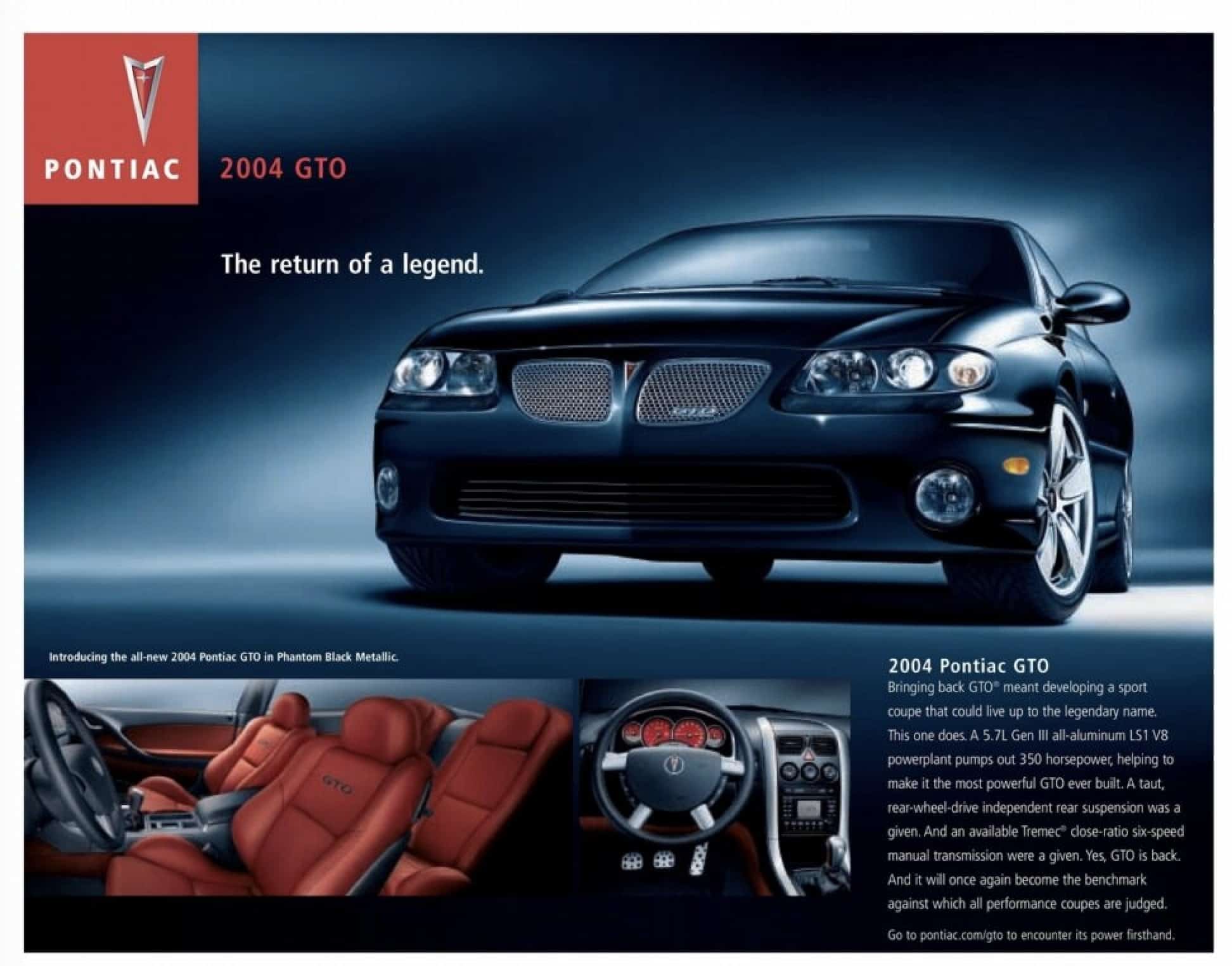
Pontiac revived the GTO nameplate for ’04 on Australia’s Holden Monaro platform, importing rear-drive muscle with modern twists.
The ’04 featured a LS1 5.7-liter V8 at 350 horsepower, upgraded to LS2 6.0-liter (400 hp) in ’05-’06, hitting 0-60 in 4.6 seconds and quarters in the low 13s.
Independent suspension and four-wheel discs delivered BMW-like handling, while subtle styling hid its potency.
Priced from $32,000, it sold 40,808 units over three years but faced criticism for bland looks. This Aussie import bridged Pontiac’s heritage with refined power, offering a fitting swan song for the muscle revival.
7. 2008-2009 Pontiac G8 GXP
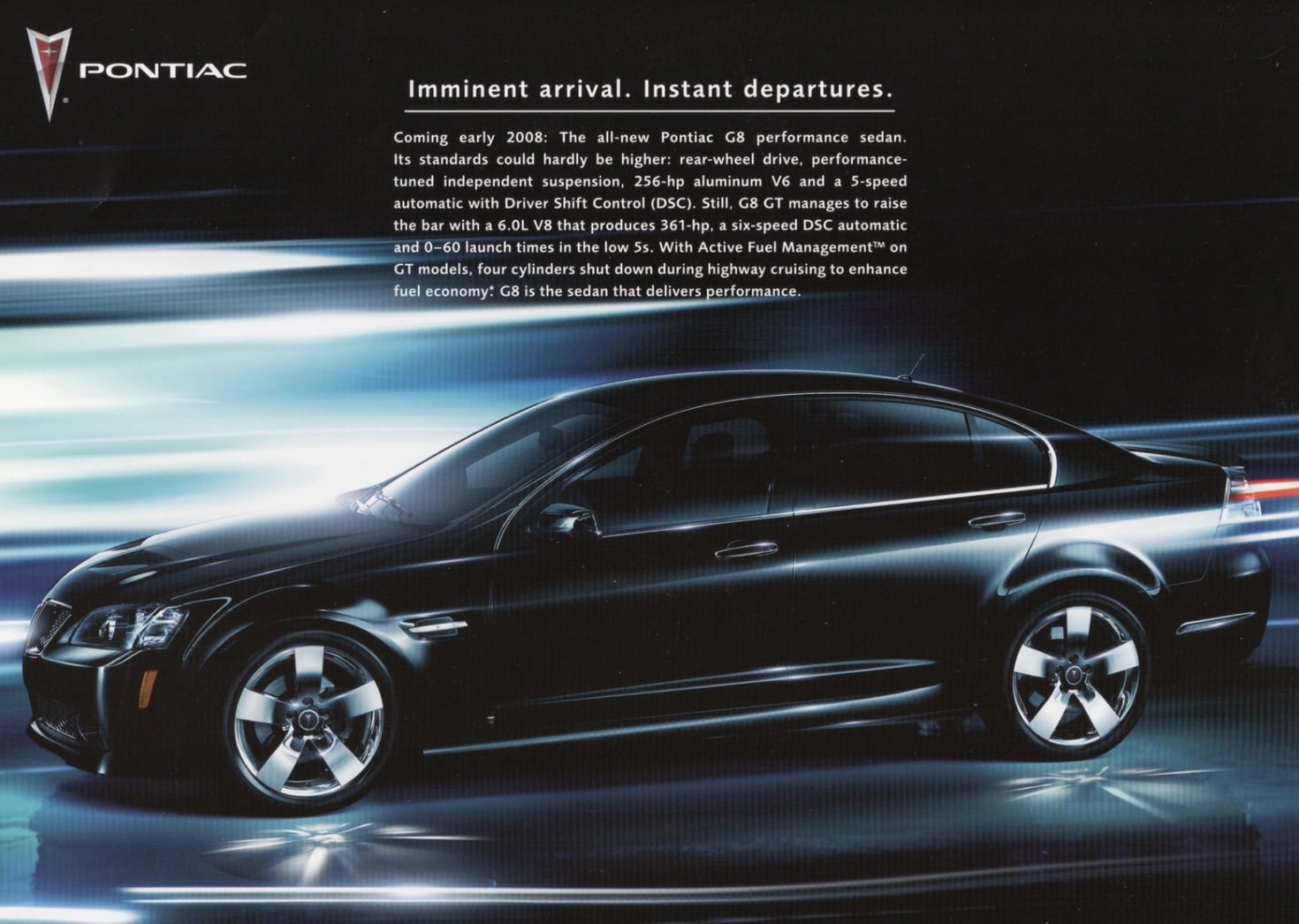
Pontiac’s final rear-drive hurrah came via Australia’s Holden Commodore as the G8, with the GXP topping the lineup.
Its LS3 6.2-liter V8 pumped 415 horsepower and 415 lb-ft of torque, mated to a six-speed manual or auto, rocketing 0-60 in 4.5 seconds and through the quarter in 13.0 at 109 mph. Independent suspension, Brembo brakes, and summer tires delivered sports-sedan poise rivaling BMWs, while the sedan body offered practical space.
Priced at $39,900, only 1,829 GXPs sold before GM’s crisis cut it short. This import showcased Pontiac’s potential for refined performance, blending muscle heritage with global engineering in a last bid for relevance.
8. 1988 Pontiac Fiero GT

The Fiero evolved from troubled beginnings into a capable mid-engine sports car by ’88, with the GT leading the charge.
A 2.8-liter V6 delivered 135 horsepower, pushing 0-60 in 7.9 seconds and a top speed of 120 mph, aided by a Getrag five-speed manual and upgraded suspension with vented discs.
Plastic body panels kept weight under 2,700 pounds, enabling nimble handling on twisty roads. Priced around $13,000, it sold as part of the Fiero’s total run exceeding 370,000 units.
Despite early recalls fading, the GT proved Pontiac could innovate affordably, offering exotic layout and fun without breaking the bank— a bright spot in the brand’s experimental phase.
9. 1962 Pontiac Grand Prix

Pontiac redefined personal luxury with the ’62 Grand Prix, a full-size coupe blending performance and elegance on a 120-inch wheelbase.
Its standard 389-cubic-inch V8 delivered 303 horsepower with a single four-barrel, upgradable to Tri-Power for 318 hp or a Super Duty 421 at 405 hp for racing.
Bucket seats, console shifter, and aluminum trim elevated the interior, while the wide-track suspension ensured poised handling.
Priced from $3,490, it sold over 30,000 units in its debut year, outselling rivals and establishing Pontiac’s grand touring niche. This model set trends with its clean lines and power options, proving the brand could appeal beyond pure muscle to sophisticated drivers seeking refined speed.
10. 1959 Pontiac Bonneville
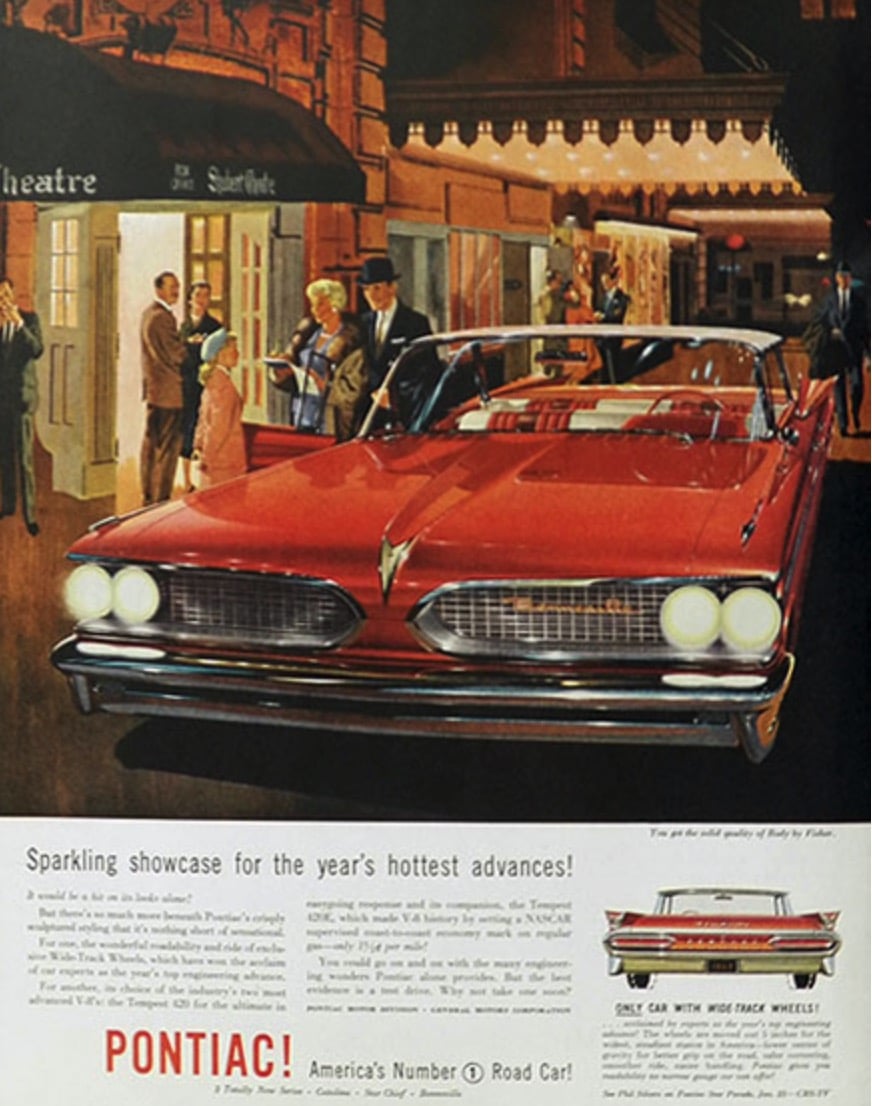
The ’59 Bonneville epitomized postwar exuberance as Pontiac’s flagship, riding a 124-inch wheelbase with bold Wide-Track styling. Its 389-cubic-inch V8 started at 300 horsepower, but the Tri-Power setup unleashed 345 hp and 425 lb-ft of torque, achieving 0-60 in under 8 seconds.
Finned rear, split grille, and optional eight-lug wheels added flair, while Hydra-Matic transmission and power assists made it effortless.
Priced around $3,000, it helped Pontiac climb to third in U.S. sales with over 82,000 Bonnevilles moved.
This full-sizer symbolized optimism and innovation, blending luxury with V8 might to solidify Pontiac’s reputation as GM’s excitement division in the finned era.
The 10 Cars That Killed Pontiac: Misfires and Market Failures
Pontiac’s decline accelerated after the 1970s, as fuel shortages, emissions rules, and GM’s cost-cutting led to rebadged mediocrity.
These vehicles weren’t just sales flops; they eroded the brand’s excitement with poor quality, awkward designs, and mismatched identities. Selected for their lasting damage (via bad reviews, recalls, and lost market share), they highlight how Pontiac lost its edge, culminating in the 2010 shutdown.
1. 2001-2005 Pontiac Aztek

Pontiac’s ambitious crossover debuted in ’01 on a minivan platform, blending SUV utility with tent attachments and a built-in cooler.
But its polarizing plastic-clad styling—with awkward proportions and a split grille—earned it “ugliest car” infamy. The 3.4-liter V6 made 185 horsepower, but handling was sloppy, and issues like faulty fuel sensors plagued owners.
Priced from $21,000, it sold only about 27,000 units annually against 75,000 projections, hit by recalls for airbags and cooling fans. The Aztek’s meme-worthy looks symbolized Pontiac’s desperation, alienating buyers and tarnishing the brand’s once-cool image in the SUV boom.
2. 1999-2005 Pontiac Grand Am

As Pontiac’s volume seller, the ’99 Grand Am aimed for sporty appeal on the N-body platform with aggressive cladding and quad headlights.
Its base 2.4-liter four-cylinder offered 150 horsepower, while the GT’s 3.4-liter V6 hit 175 hp, but transmissions failed early and interiors felt cheap with hard plastics.
Priced around $17,000, it initially moved 200,000+ units yearly but quality woes—rust, intake gasket leaks, and NHTSA investigations—eroded loyalty.
Despite refreshes, it lagged rivals like the Civic in refinement, signaling Pontiac’s slide into badge-engineered blandness that couldn’t sustain its performance heritage.
3. 1995-2005 Pontiac Sunfire

A rebadged Chevy Cavalier, the Sunfire targeted entry-level buyers with coupe and sedan bodies, but its dated J-body platform showed in poor crash tests and flimsy build.
The 2.2-liter Ecotec four produced 140 horsepower in later years, yet HVAC failures, electrical gremlins, and cheap interiors dominated complaints.
Starting at $15,000, sales hovered around 100,000 annually but dwindled with multiple facelifts failing to fix fundamentals.
Recalls for ignition switches and fuel leaks compounded issues, hurting Pontiac’s reputation for reliability and making it a symbol of GM’s cost-cutting that alienated young drivers.
4. 2005-2010 Pontiac G6

Replacing the Grand Am, the G6 sedan, coupe, and convertible rode GM’s Epsilon platform with gimmicks like a panoramic sunroof.
Base models had a sluggish 2.4-liter four at 169 horsepower, while the GTP’s 3.9-liter V6 reached 240 hp, but vague steering and noisy cabins underwhelmed.
Priced from $18,000, it sold decently at first (150,000+ in ’05) but faced recalls for power steering and brake lights, plus criticism for uncompetitive fuel economy.
As rivals advanced, the G6’s mediocrity accelerated Pontiac’s mid-size losses, exposing the brand’s inability to innovate amid GM’s troubles.
5. 1997-2009 Pontiac Montana
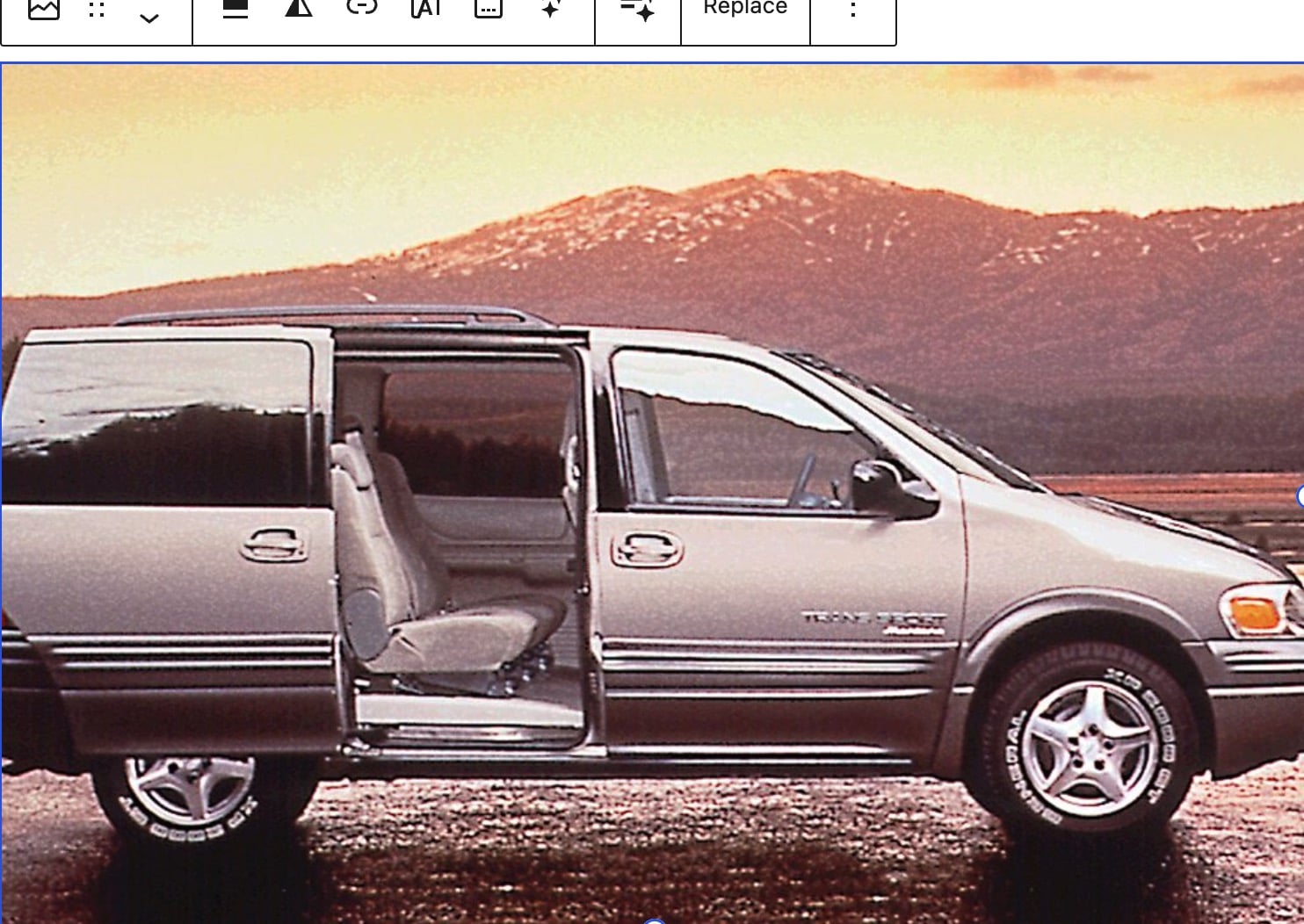
Pontiac rebranded its minivan as the Montana to chase SUV buyers, adding a longer nose and “Sport Performance” badging. The 3.4-liter V6 delivered 185 horsepower, but transmissions slipped and head gaskets failed routinely.
Priced around $25,000, early sales hit 50,000 yearly, but post-’05 redesigns as an “SV6” crossover flopped with poor handling and dated features.
Recalls for sliding doors and fuel leaks added to woes, failing to compete with Honda Odysseys. This family hauler clashed with Pontiac’s sporty identity, highlighting the brand’s confused lineup and contributing to its irrelevance.
6. 2009 Pontiac G3

Introduced amid rising gas prices, the G3 was a rebadged Chevy Aveo hatchback from Daewoo, offering basic economy with a 1.6-liter four-cylinder at 108 horsepower.
Acceleration lagged at 0-60 in 10 seconds, and the interior screamed budget with thin plastics and minimal features. Priced under $15,000, it sold poorly in its single year, clashing with Pontiac’s performance ethos during GM’s bankruptcy.
Build quality issues like rust and weak brakes drew complaints, symbolizing desperate badge-engineering that diluted the brand’s appeal and alienated enthusiasts expecting excitement over thrift.
7. 2000-2005 Pontiac Bonneville

The final Bonneville aimed for luxury-sport on the G-body platform, with supercharged options boosting the 3.8-liter V6 to 240 horsepower.
But indifferent styling, high pricing ($27,000+), and shared components with Buicks made it feel generic. Sales plummeted from 75,000 in ’00 to under 20,000 by ’05, hurt by electrical failures and poor fuel economy.
Despite powerful SSEi trims hitting 0-60 in 6.5 seconds, it couldn’t revive the nameplate’s glory, ending on a note of irrelevance that underscored Pontiac’s struggle to differentiate in GM’s crowded full-size segment.
8. 1984-1987 Pontiac Fiero

Yes. The Fiero is so polarizing that it made the list for wins and losses. No doubt, the 88 was a breakthrough, but the damage to Pontiac’s reputation was already done.
Pontiac’s mid-engine experiment promised exotic thrills affordably, but early models suffered from oil starvation fires in the 2.5-liter Iron Duke four (92 horsepower), leading to massive recalls.
The ’88 GT improved with a 2.8-liter V6 at 135 hp and better suspension for 0-60 in 7.9 seconds, but initial damage lingered. Priced from $8,000, total sales exceeded 370,000, yet bad press and halted production after ’88 tainted innovation.
The Fiero’s woes exposed Pontiac’s rushed development, eroding trust and missing a chance to redefine the brand beyond muscle.
9. 1980-1984 Pontiac Phoenix

Built on GM’s flawed X-body platform, the Phoenix compact faced immediate scrutiny for braking issues, prompting NHTSA recalls and lawsuits.
Its 2.5-liter four or 2.8-liter V6 offered up to 110 horsepower, but rust, loose interiors, and poor crash protection dominated owner gripes.
Priced around $7,000, sales started strong but tanked amid quality scandals, with acceleration sluggish at 0-60 in over 12 seconds.
This early ’80s flop signaled Pontiac’s declining standards, alienating buyers in a segment where reliability mattered most and foreshadowing broader GM troubles.
10. 1988-1993 Pontiac LeMans

Sourced from Daewoo in Korea, this subcompact aimed for affordability but delivered flimsy quality with a 1.6-liter four maxing at 74 horsepower in base form.
Interiors disintegrated quickly, and handling was numb, with 0-60 times exceeding 12 seconds. Priced under $10,000, sales were dismal, ending production early amid complaints of rust and mechanical failures.
The LeMans highlighted Pontiac’s failed global outsourcing, clashing with its American muscle roots and further damaging reputation as a brand that could no longer deliver excitement or durability.