
Ask ten car people to name the best Chevrolets ever made and you’ll get twelve answers—plus an argument about engines. That’s the fun of it.
Chevy has been cranking out crowd-pleasers and game-changers for more than a century, and some of these models didn’t just sell well—they shaped the whole hobby.
Here are the Chevrolets that stuck in our memory for a reason: style, power, usefulness, and that unmistakable feeling of “Yep… that’s a Chevy.”
(Presented in Chronological Order)👇
1912 Chevrolet Classic Six (Chevy’s “we mean business” debut)
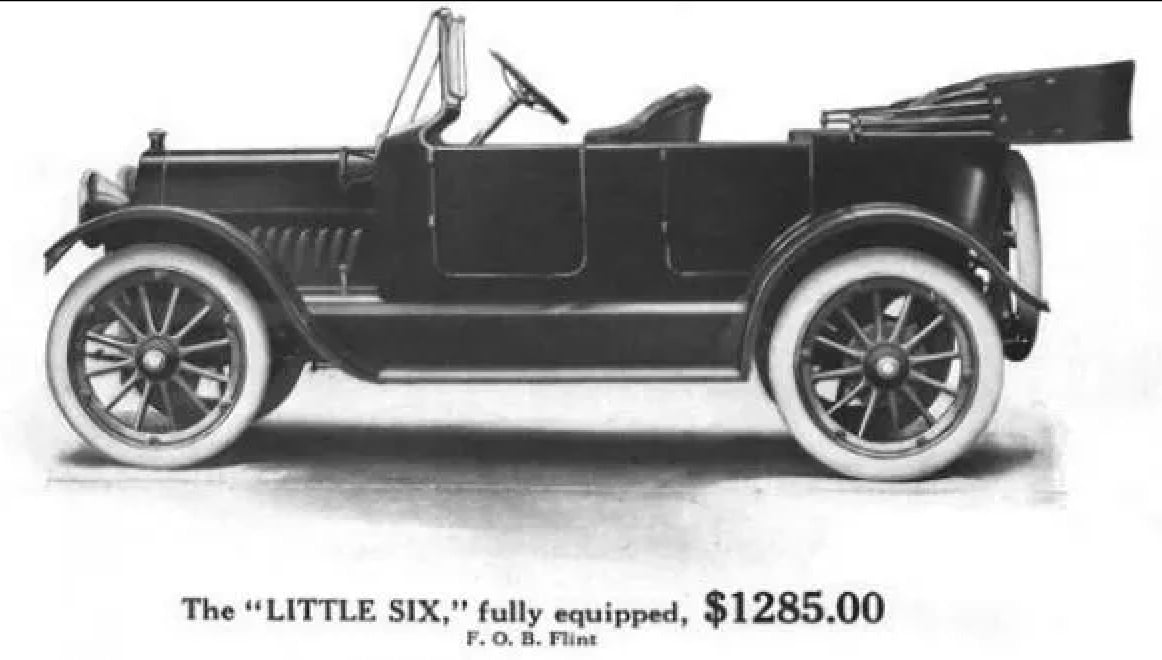
Chevrolet didn’t start out trying to be “cheap and cheerful.” The 1912 Classic Six was a full-size touring car built to make a point: this new company could build something smooth, substantial, and legitimately upscale.
It used a six-cylinder layout when a lot of America was still puttering around in simpler, rougher machines, and it carried the influence of Louis Chevrolet’s performance mindset right from the start.
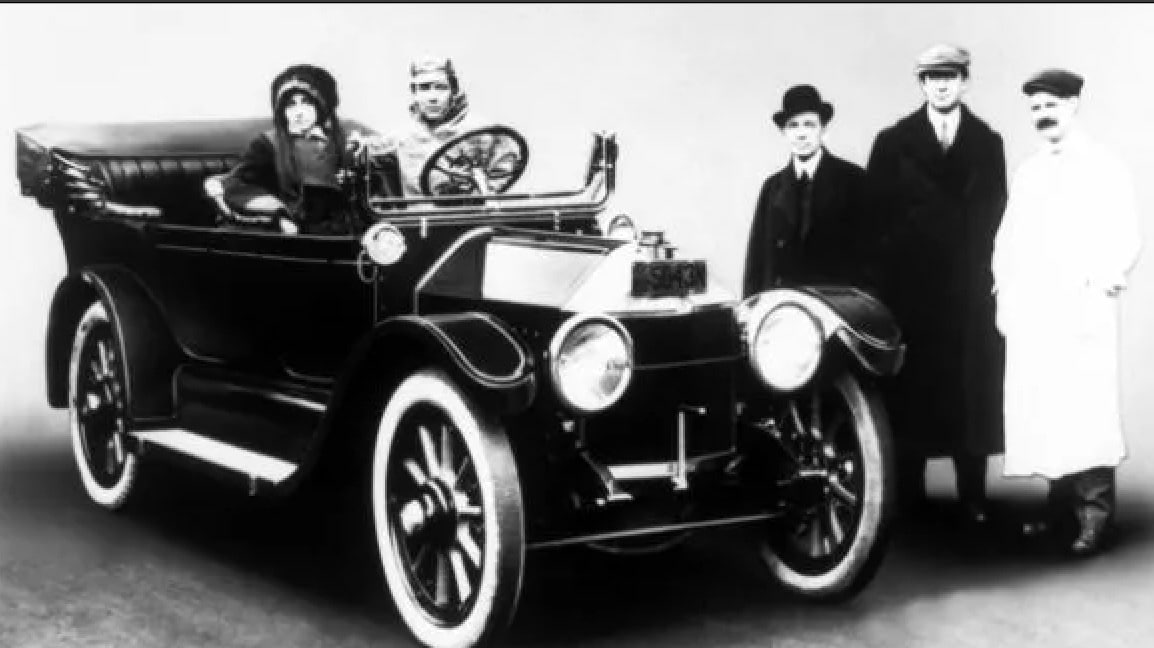
It wasn’t the car that made Chevy a household name (that came later) but it was the car that told the world, “We belong here.”
1923 Chevrolet Superior (The early everyman Chevy that built loyalty)
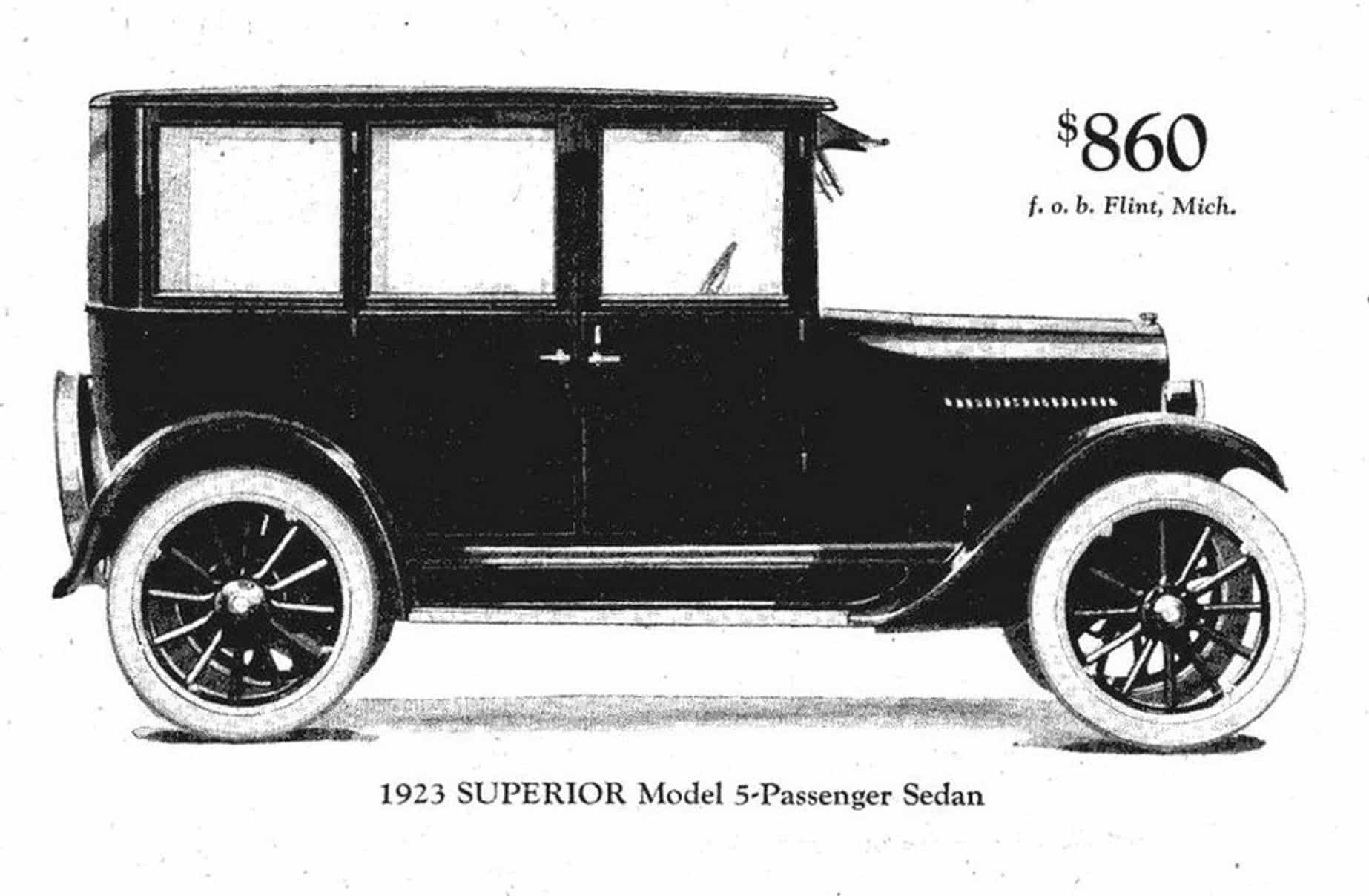
The 1923 Superior is where Chevrolet started to feel like the brand your neighbors could actually buy… and brag about a little.
It wasn’t flashy for the sake of it, but it delivered the stuff that mattered in the real world: usable comfort, predictable road manners, and the kind of durability that kept families rolling when roads and weather weren’t kind.
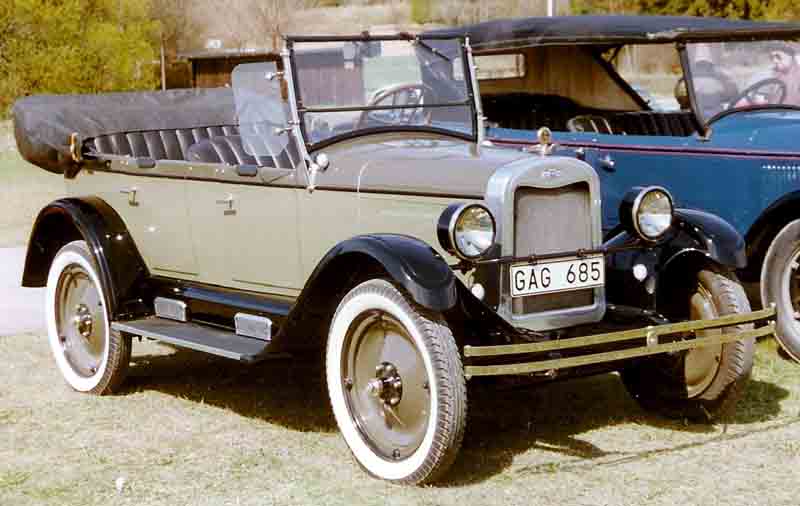
This model line helped Chevrolet sharpen its early identity: give everyday buyers a car that felt more “finished” than the bargain basement options, without pricing it like a luxury toy. It’s the kind of car that built loyalty one reliable mile at a time.
1929 Chevrolet International (The affordable six-cylinder game-changer)
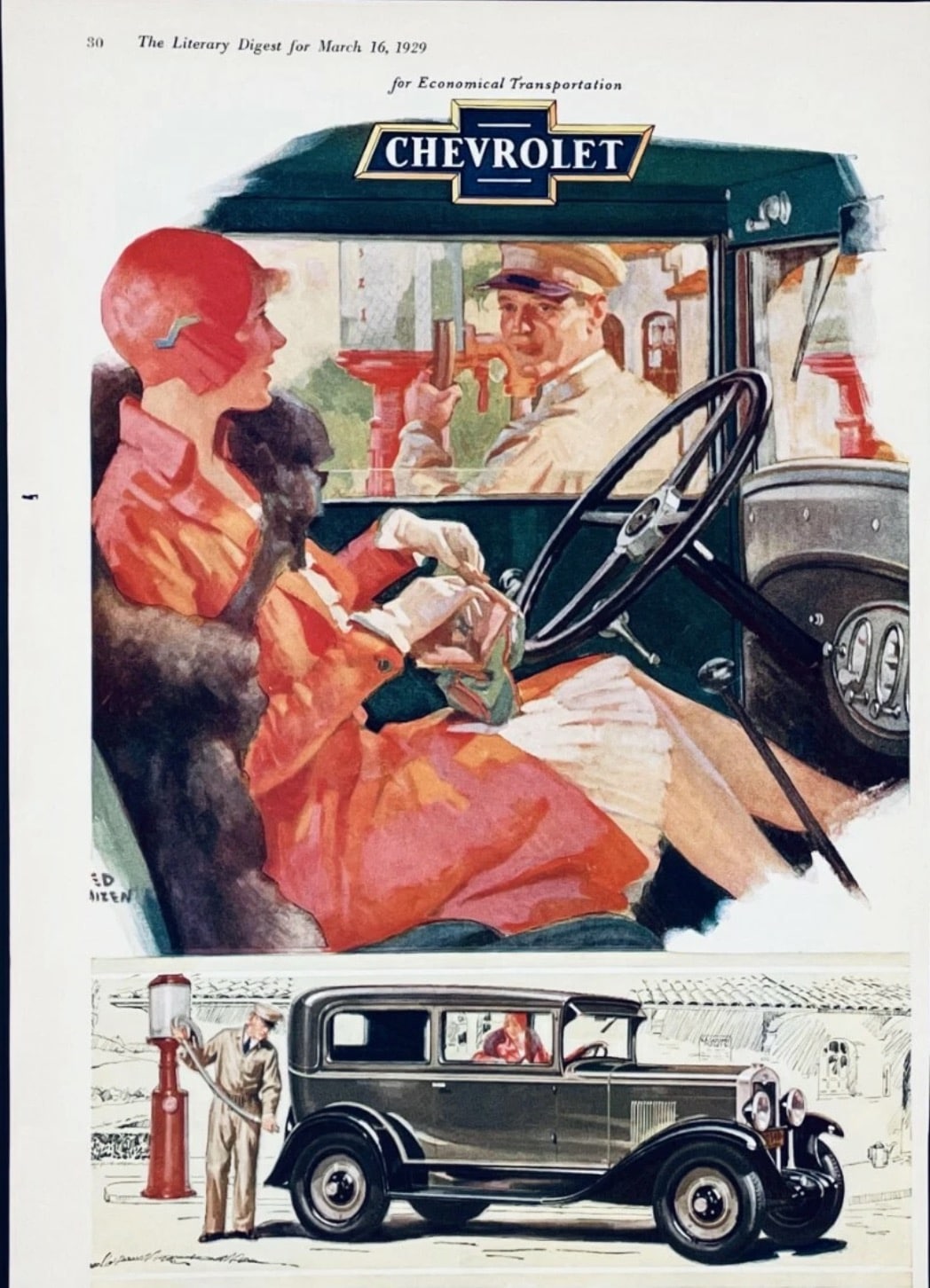
The 1929 International hit during a turning-point era, and Chevrolet came swinging with one of its most important moves: making six-cylinder driving feel attainable.
Chevy introduced its overhead-valve six in 1929, and the result was a car that felt more relaxed and grown-up (less strain, less fuss, more confidence on the road) compared to many mainstream fours of the day.
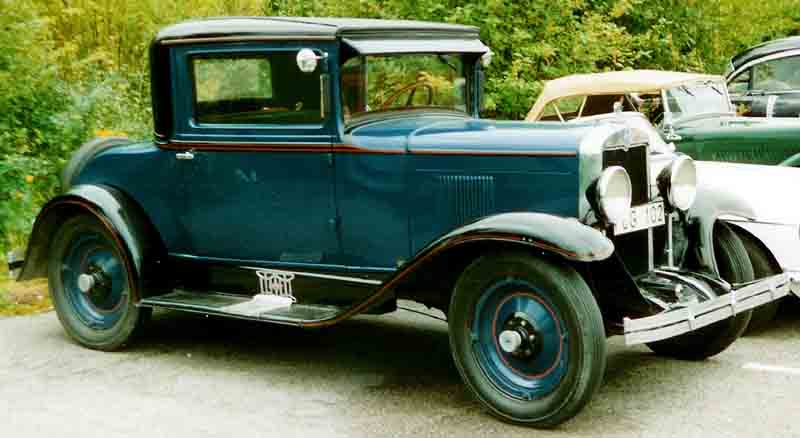
The International wasn’t just transportation; it was Chevrolet showing it could deliver refinement without abandoning regular folks. That recipe—real-world value with a little extra polish—became a Chevy trademark.
1932 Chevrolet Confederate (Depression-era toughness with real style)
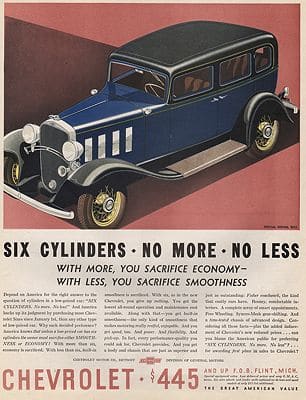
You didn’t earn respect in 1932 unless you deserved it. Those were lean years, and the Confederate survived because it gave buyers something solid to believe in.
It carried Chevrolet’s bread-and-butter promise: sturdy engineering, sensible ownership costs, and style that didn’t look like a penalty box.
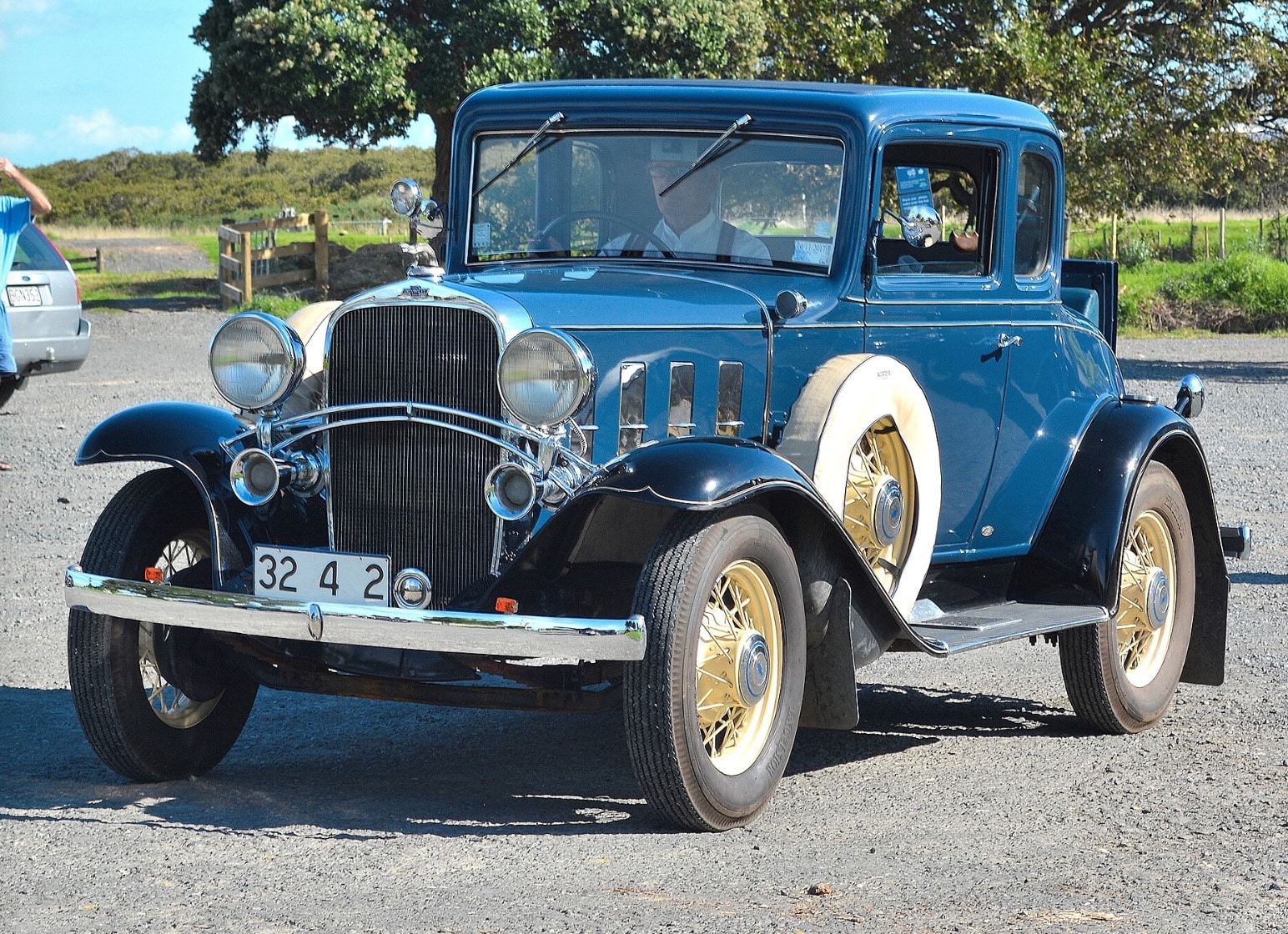
The tall grille, sweeping fenders, and confident proportions are pure prewar theater, and they still stop people in their tracks at shows today.
More than anything, the Confederate represents Chevy staying competitive when the market was brutal—building cars that felt dependable without feeling joyless.
1935 Chevrolet Suburban Carryall (The SUV blueprint before “SUV” existed)
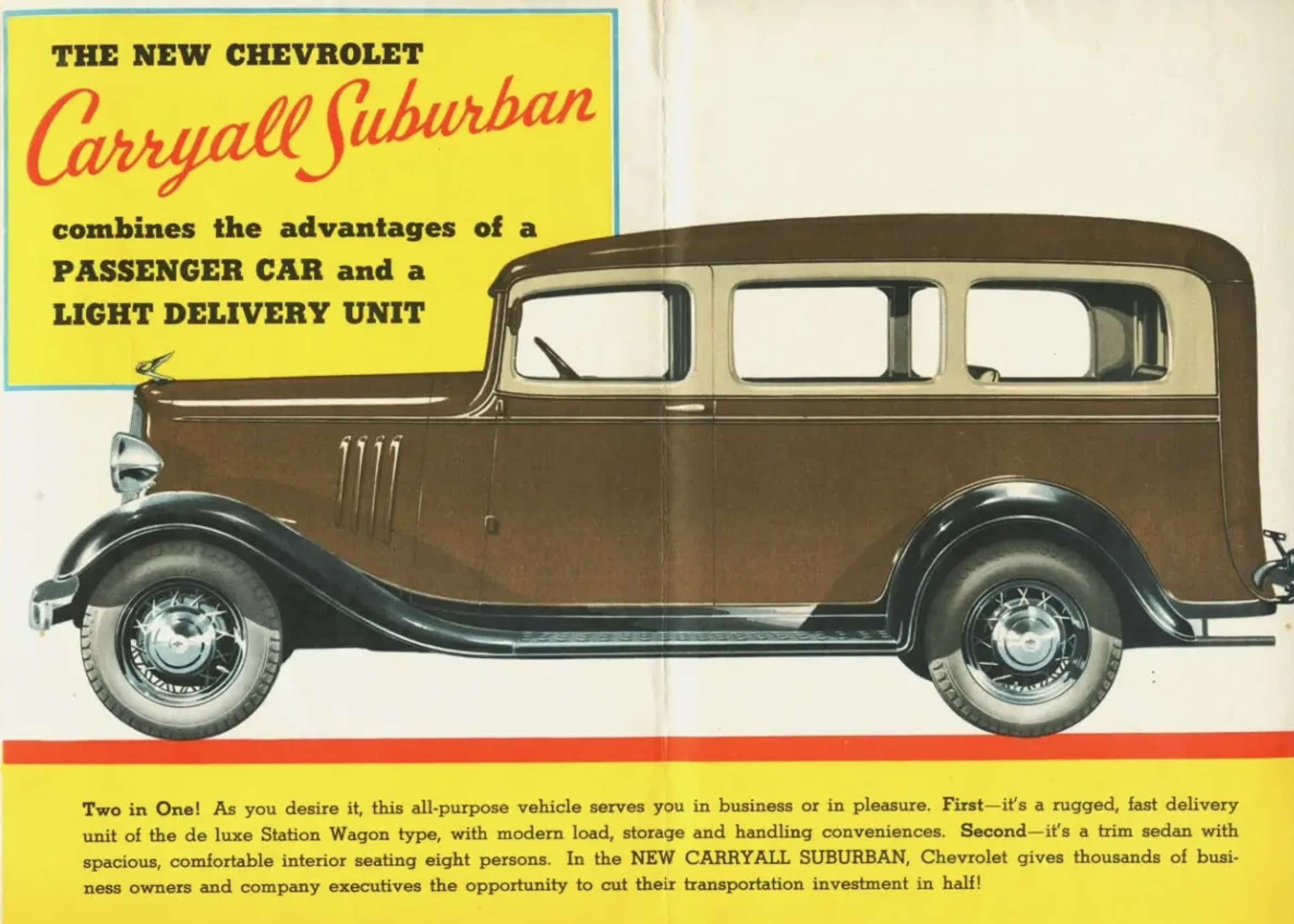
The 1935 Suburban Carryall is the kind of vehicle you look at and think, “Oh… so that’s where it all started.”
Long before “SUV” became a lifestyle label, Chevy was already building a tough, roomy hauler designed for people, gear, and long days on lousy roads.
It was practical in the best way, it had work-truck bones with real passenger-carrying intent. Perfect for businesses, schools, and big families who needed capability more than glamour.
The Suburban name would become an American institution, but this early Carryall is the blueprint: utility that quietly changed what a Chevy could be.
1936 Chevrolet Master Deluxe (Hydraulic brakes + a smoother ride)
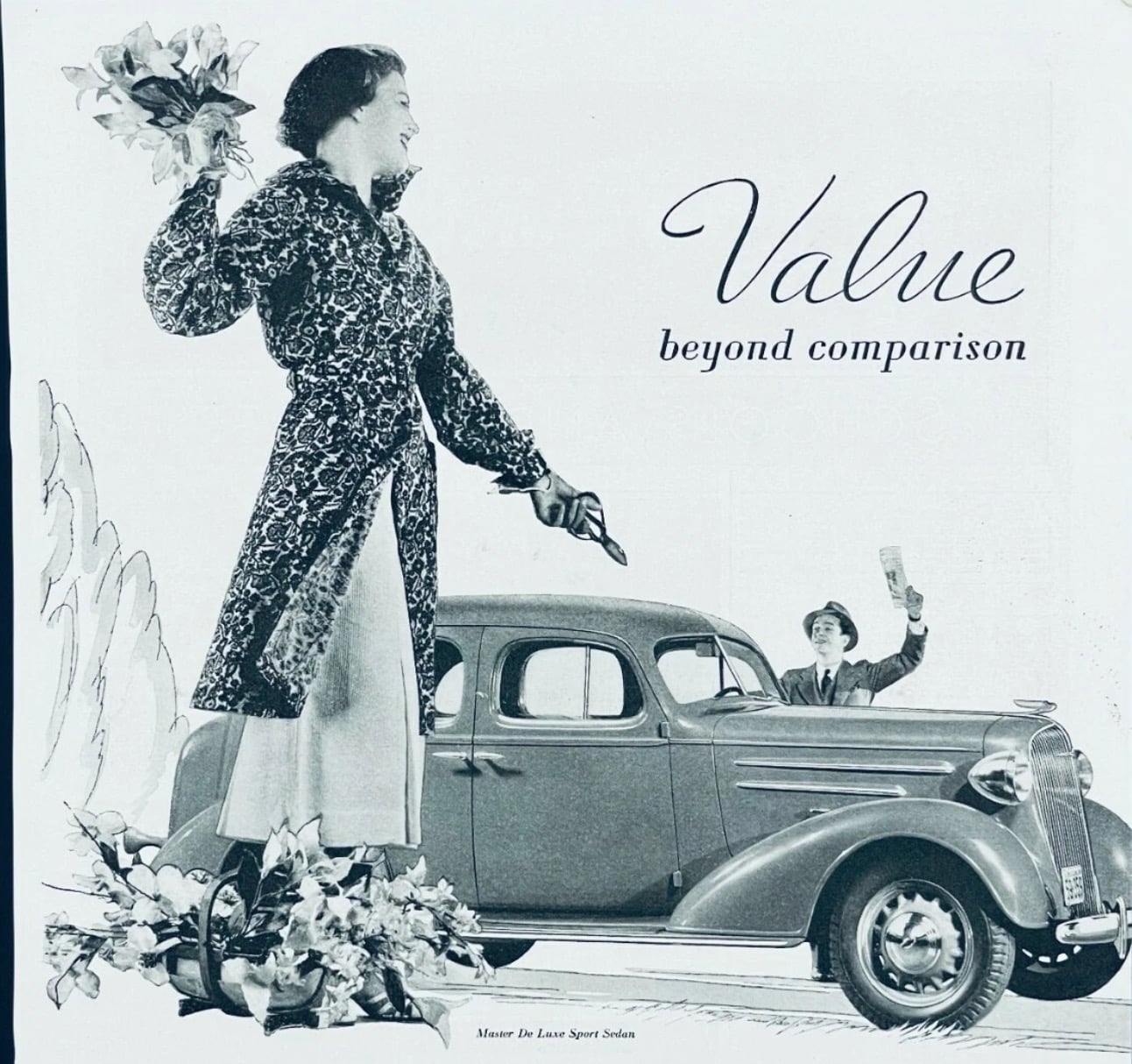
The 1936 Master Deluxe is one of those “quietly important” Chevys that made everyday driving feel more modern overnight.
For starters, Chevrolet moved to hydraulic brakes on its 1936 cars—an honest-to-goodness upgrade you could feel the first time someone pulled out in front of you.
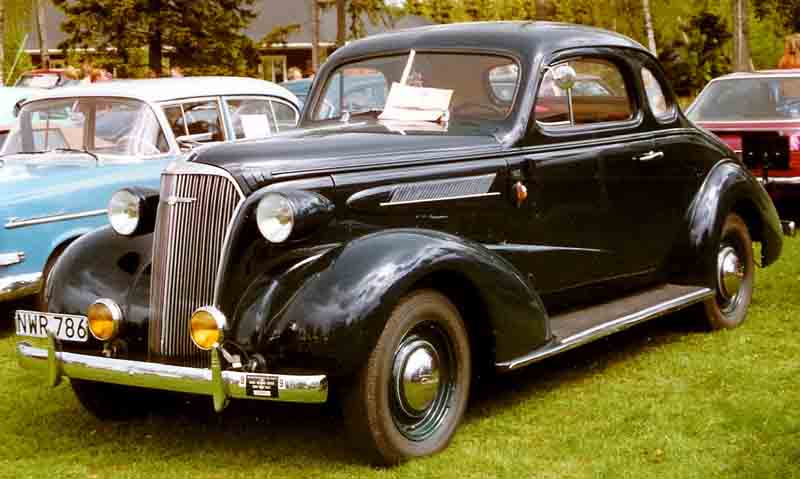
And if you got one with Chevy’s Knee-Action independent front suspension, you also got a ride that felt less like a buckboard and more like a proper automobile.
It’s not the flashiest prewar Chevy, but it’s a turning point you can actually drive.
1940 Chevrolet Special Deluxe (Prewar style with “top trim” swagger)
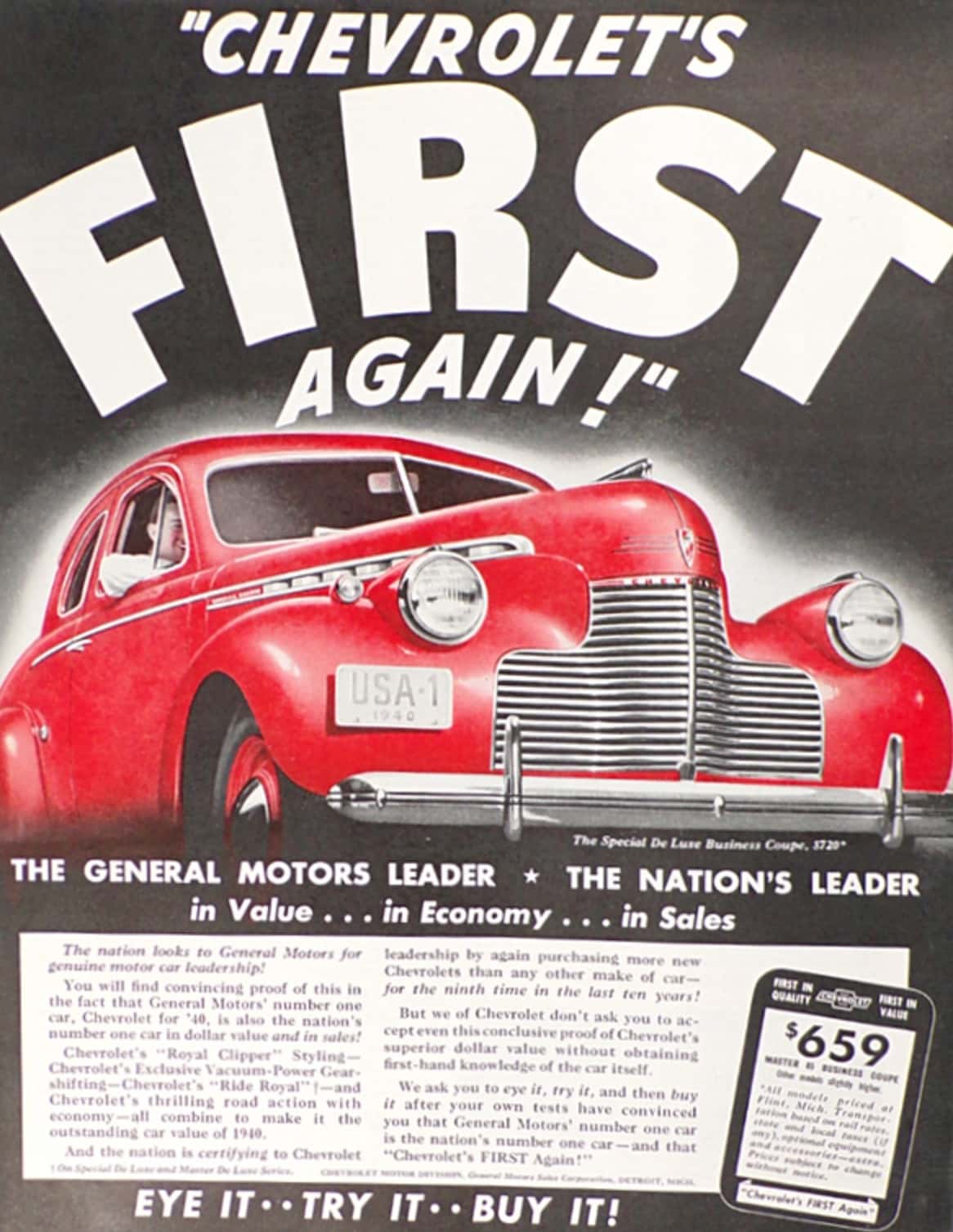
The 1940 Special Deluxe was Chevrolet dressing up for a big night out—flowing fenders, a longer stance, and the kind of details that made neighbors wander over for a closer look.
Under the skin, Chevy revised the chassis and stretched the wheelbase to 113 inches, while lowering the seating position for a more planted, modern feel.
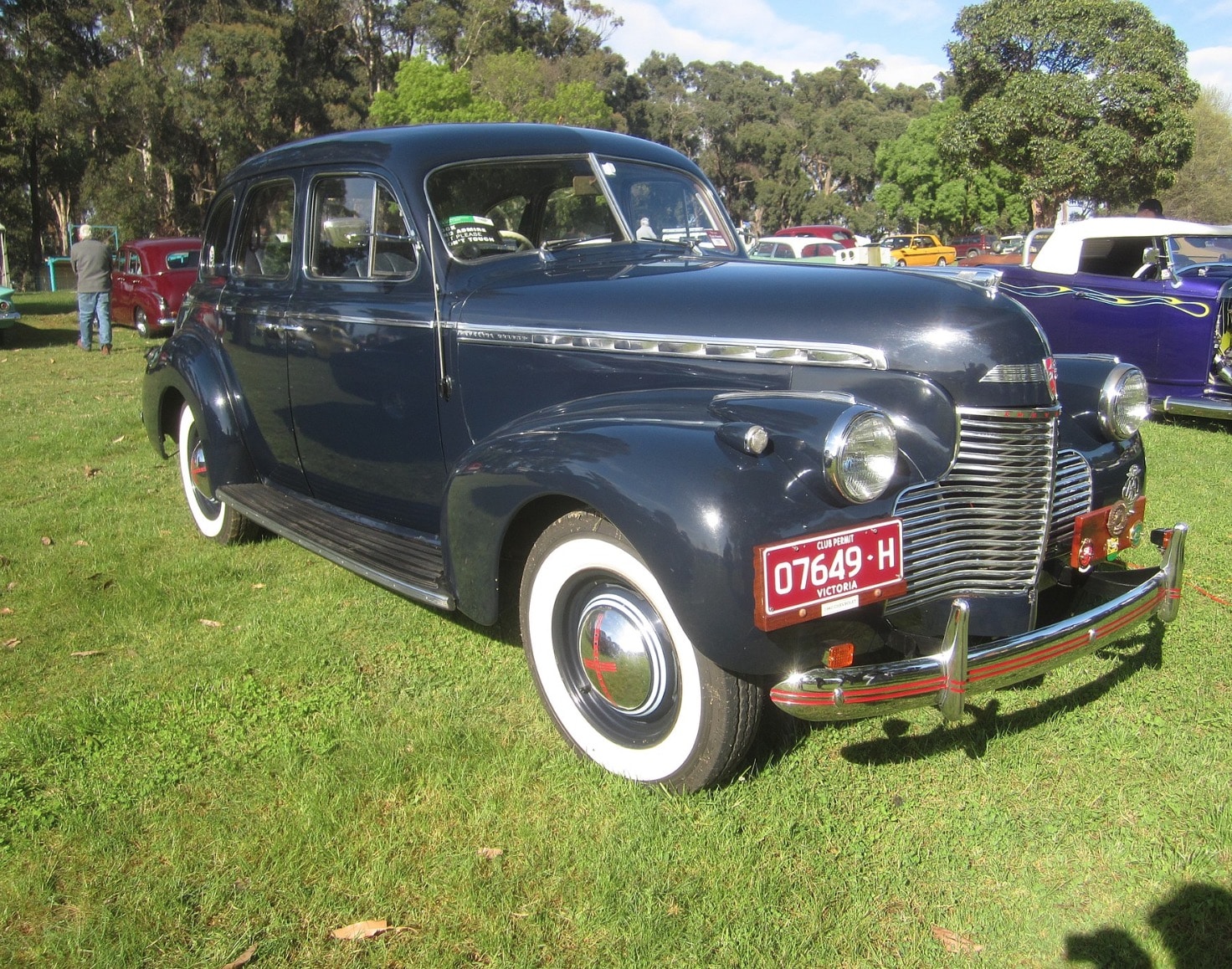
It also carried Chevy’s Knee-Action front suspension, which helped it ride like something a little pricier than the badge suggested.
In other words: a mainstream car that felt surprisingly “premium” for its day.
1941 Chevrolet AK Series 3100 (The Art Deco truck that started a movement)
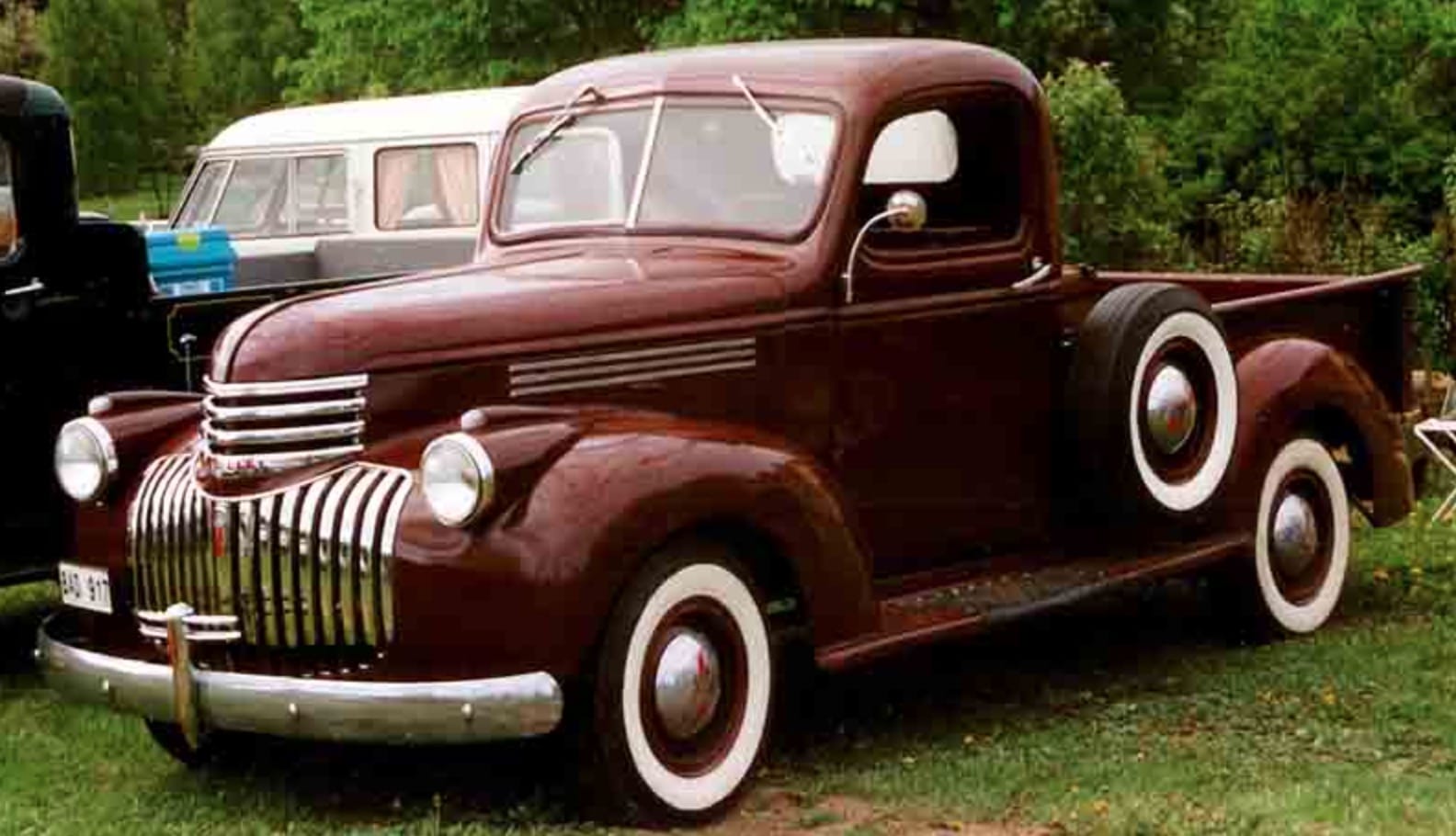
The 1941 AK Series 3100 is where Chevy pickups started looking like they had a stylist on the payroll.
This is the dawn of the so-called “Art Deco” Chevy truck era—bold grille, confident face, and a shape that still looks right wearing patina or fresh paint.
It’s also part of the AK Series run that spanned the early ’40s into the postwar years, and these trucks became a favorite because they’re simple, durable, and endlessly restorable.
A 3100 is the kind of truck that turns “I’ll just look at it” into “How soon can I haul it home?”
1947 Chevrolet Fleetline Aerosedan (Fastback cool for the working man)
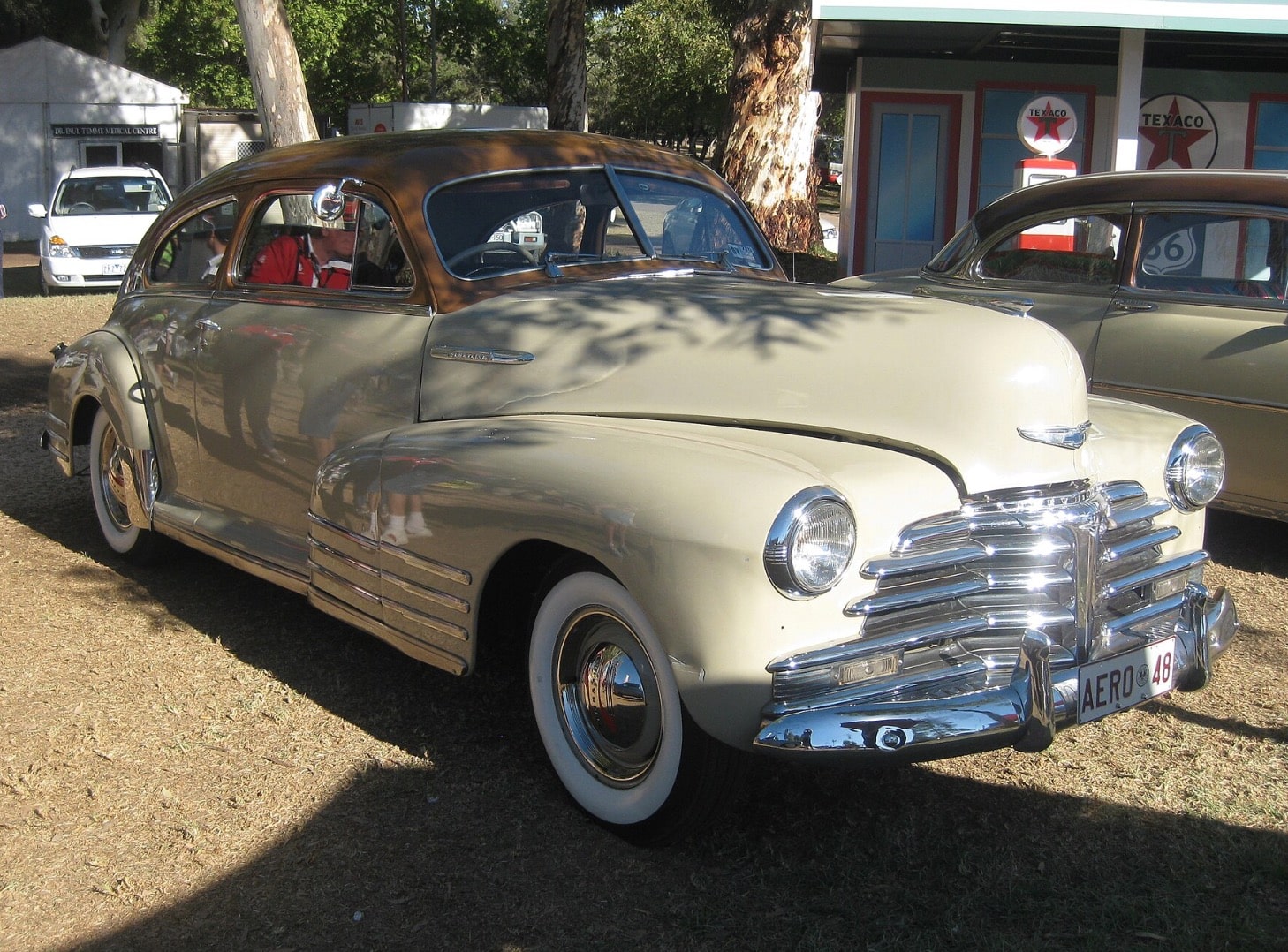
The 1947 Fleetline Aerosedan is pure postwar swagger—Chevy taking a practical sedan and giving it a racy fastback roofline that looked like it belonged in a victory parade.
Buyers agreed: the two-door Aerosedan was a sales star in 1947, with 159,407 built, and it hit that sweet spot of style and affordability (base price $1,313).
Under the hood, you typically got Chevy’s dependable 216.5-cid overhead-valve six making about 90 hp, which was plenty to keep America moving again.
1949 Chevrolet Styleline Deluxe (Chevy’s first all-new postwar look)
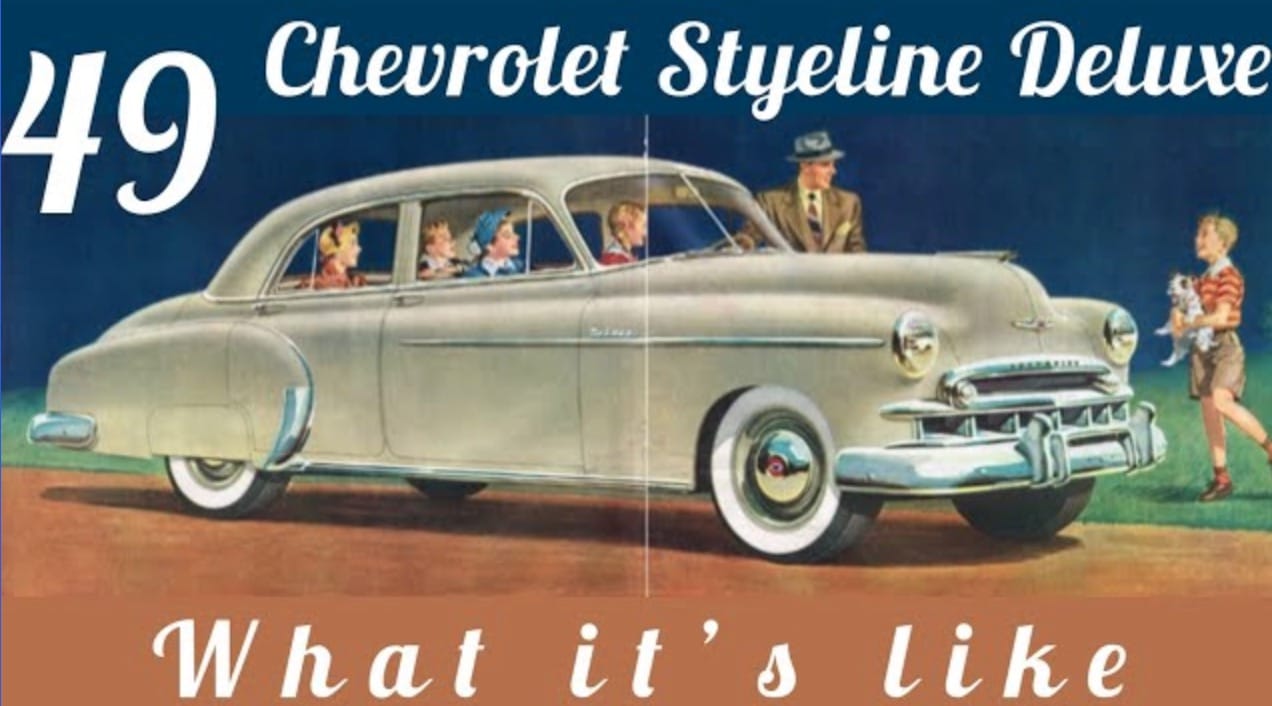
The 1949 Styleline Deluxe matters because it’s Chevrolet finally saying, “Alright—new decade, new shape.”
It was the first all-new postwar Chevy design, and you could choose the Styleline notchback look or the Fleetline fastback if you wanted something sleeker.
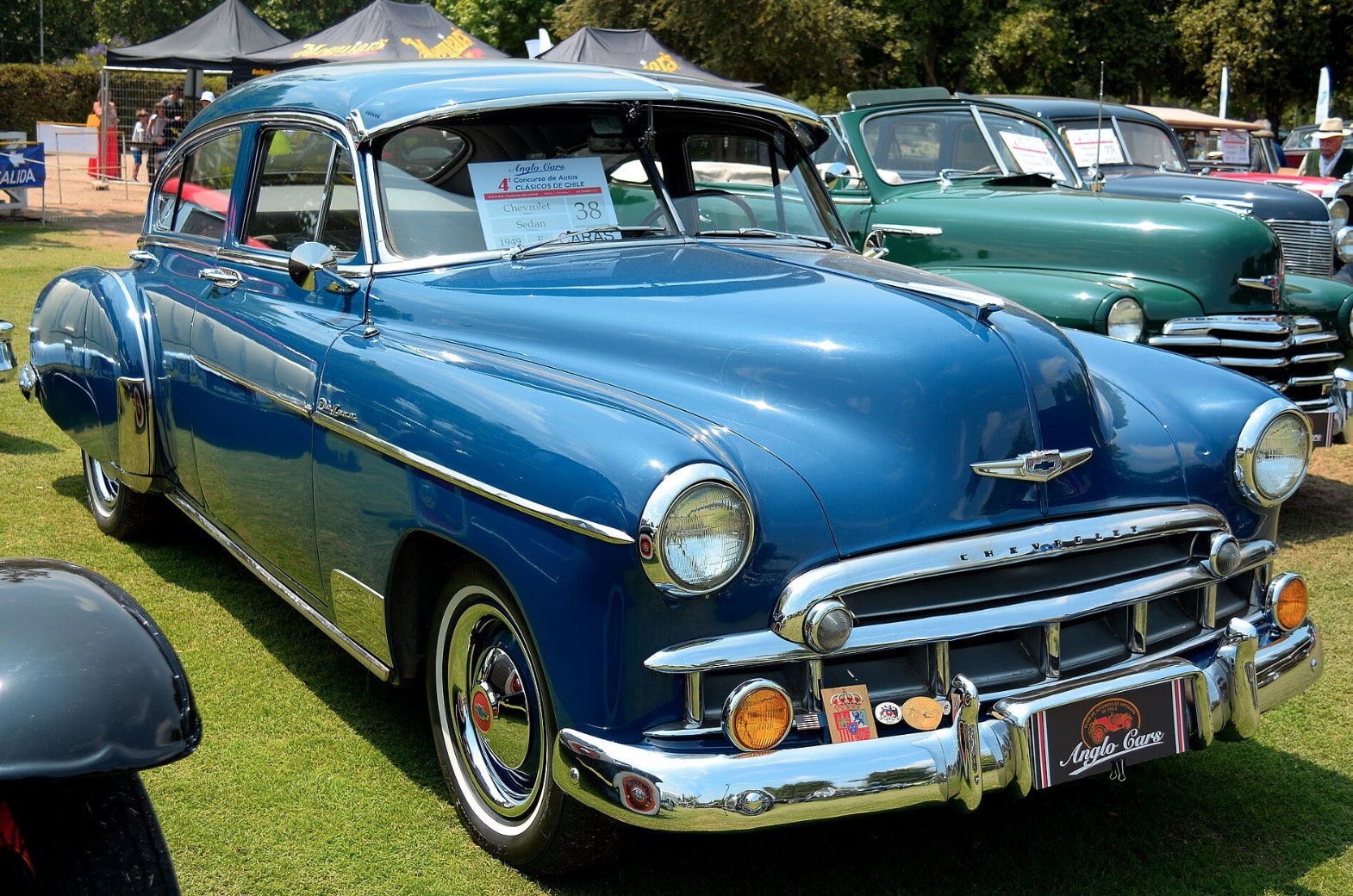
Most Styleline Deluxe models paired a 216-cubic-inch six with a three-speed manual, and the whole package felt like a fresh start—more glass, cleaner lines, and a road-ready vibe that helped set up the boom years ahead.
It’s a car that looks like America exhaled and got back to living. (Mac’s Motor City Garage)
1955 Chevrolet Bel Air (The car that kicked off the “Tri-Five” fever)
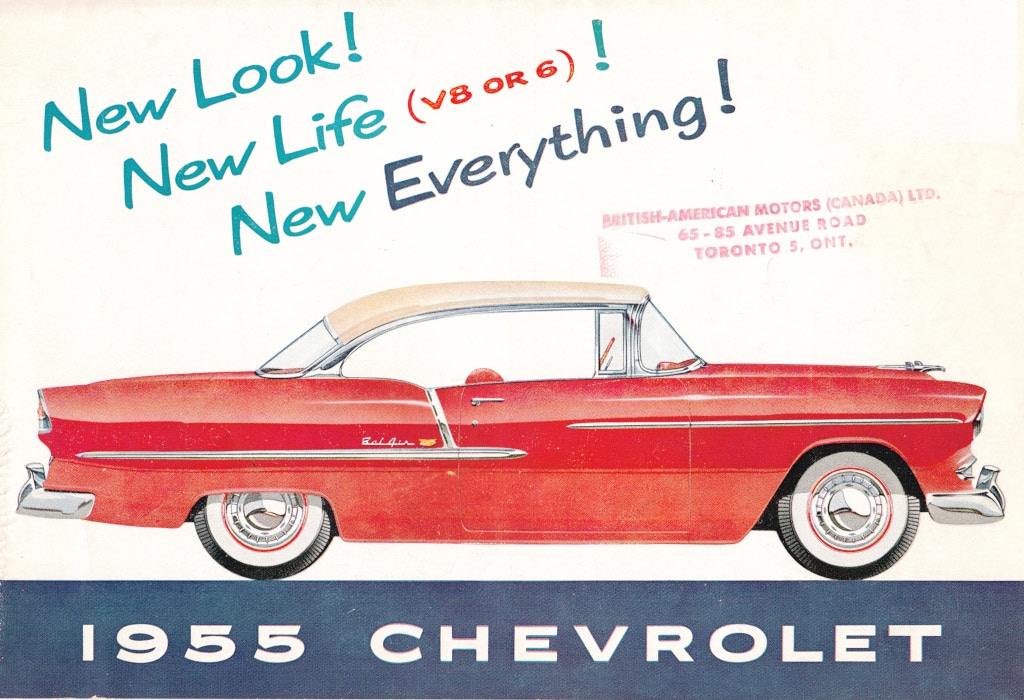
The 1955 Bel Air didn’t just arrive; it reintroduced Chevrolet with a clean, confident new look that felt like America stepping into a brighter decade.
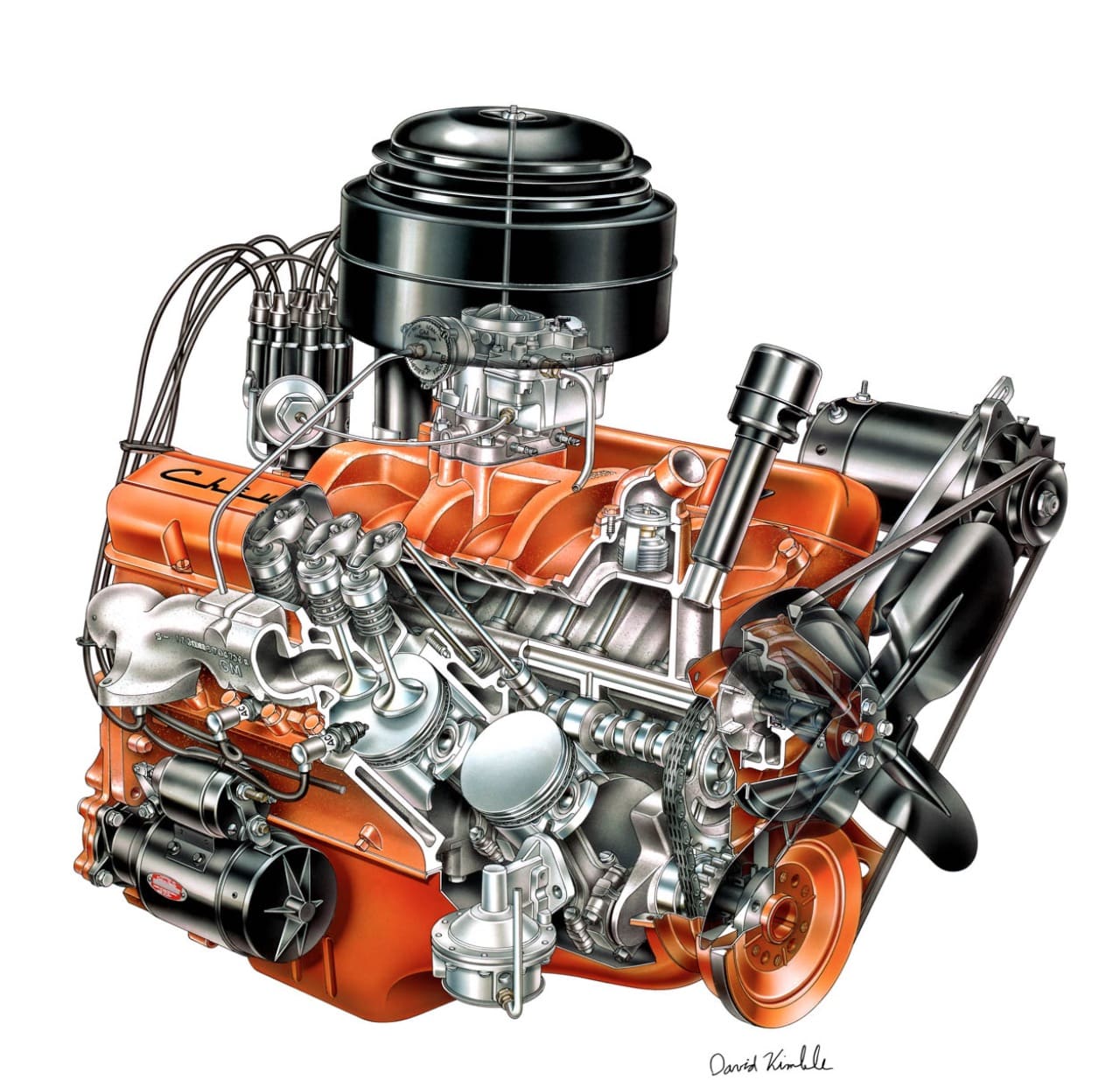
It’s also famous for something hot rodders still grin about: 1955 is the year Chevy’s small-block V8 entered the picture, and suddenly the family car had real performance potential baked in.
Add the two-tone paint, the brightwork, and that easygoing stance, and you’ve got a Chevy that became a cultural shortcut for “the good old days”… even for people who never owned one.
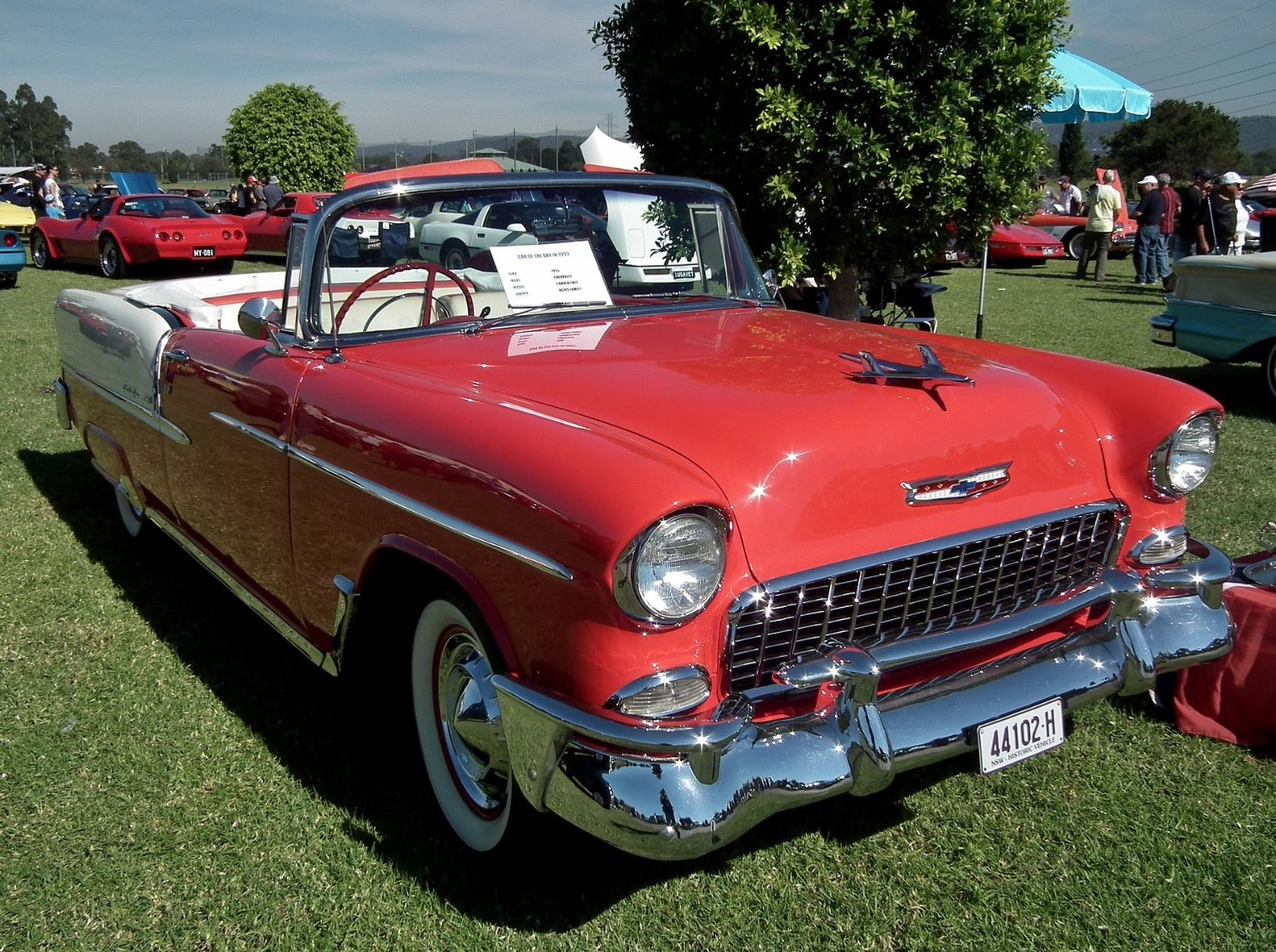
19’57 Chevrolet Nomad (The coolest wagon Chevy ever built)
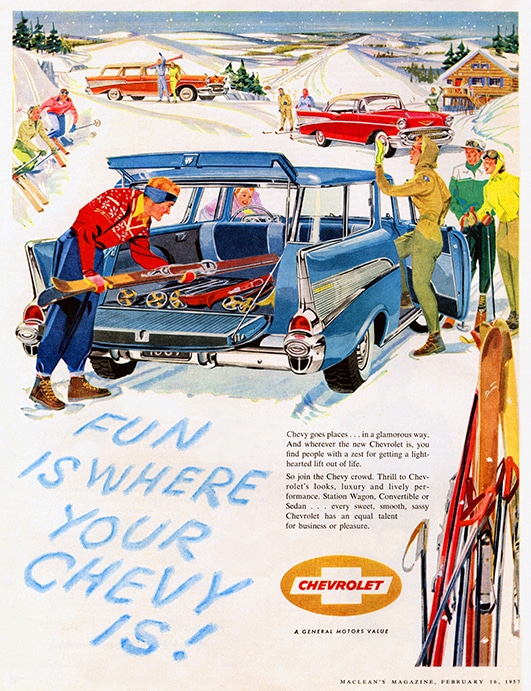
The 1957 Nomad is proof that practicality and style don’t have to live in separate zip codes.
Unlike the more common four-door wagons of the day, the Nomad was a two-door “sport wagon” with a roofline and side profile that looked more like a custom show car than a family hauler.
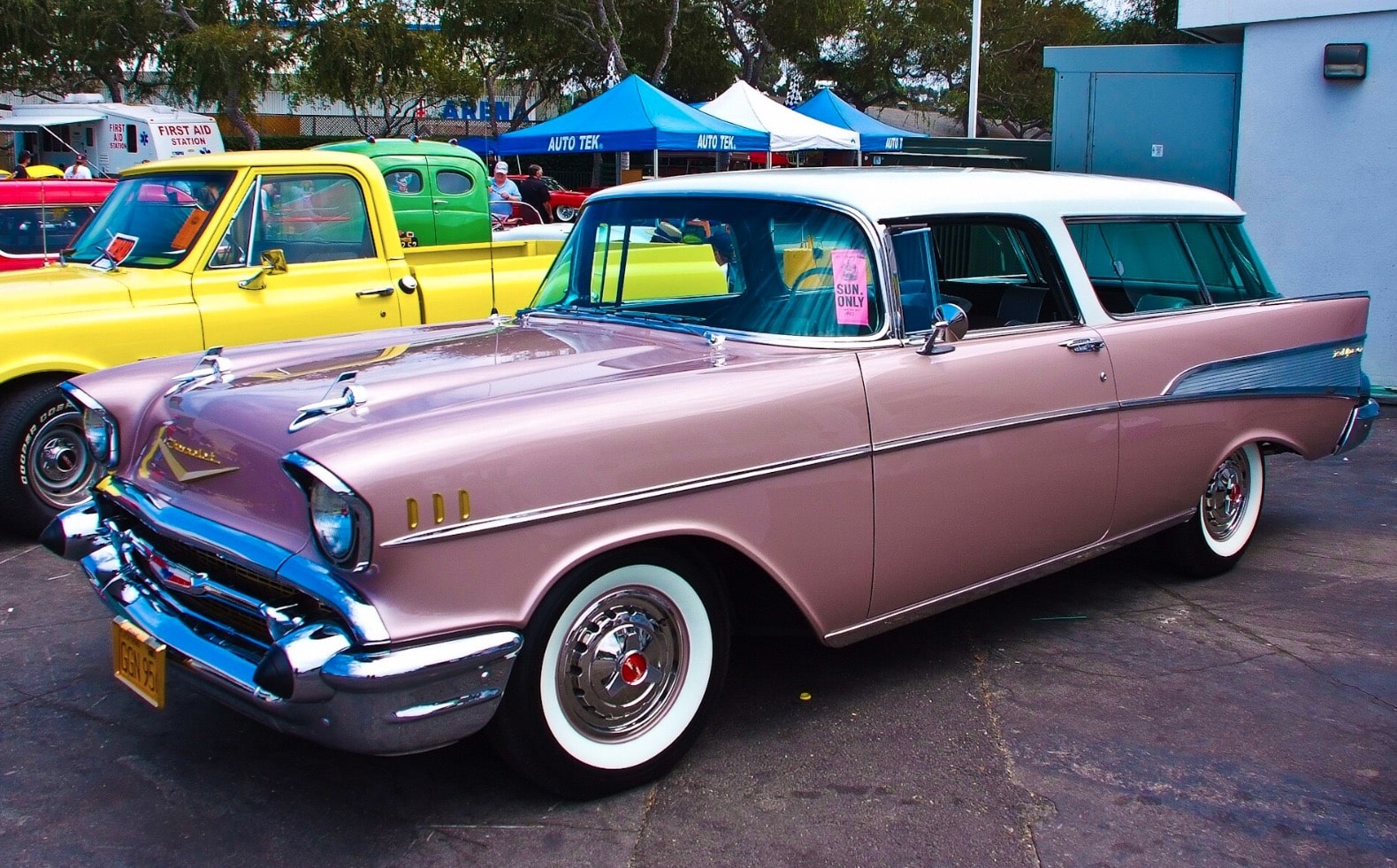
You still got the usefulness (cargo space, road-trip comfort, everyday drivability) but wrapped in some of the most iconic ’50s Chevrolet design cues ever stamped.
It’s rare, it’s instantly recognizable, and it turns “station wagon” into a compliment.
1958 Chevrolet Impala (The birth of a full-size legend)
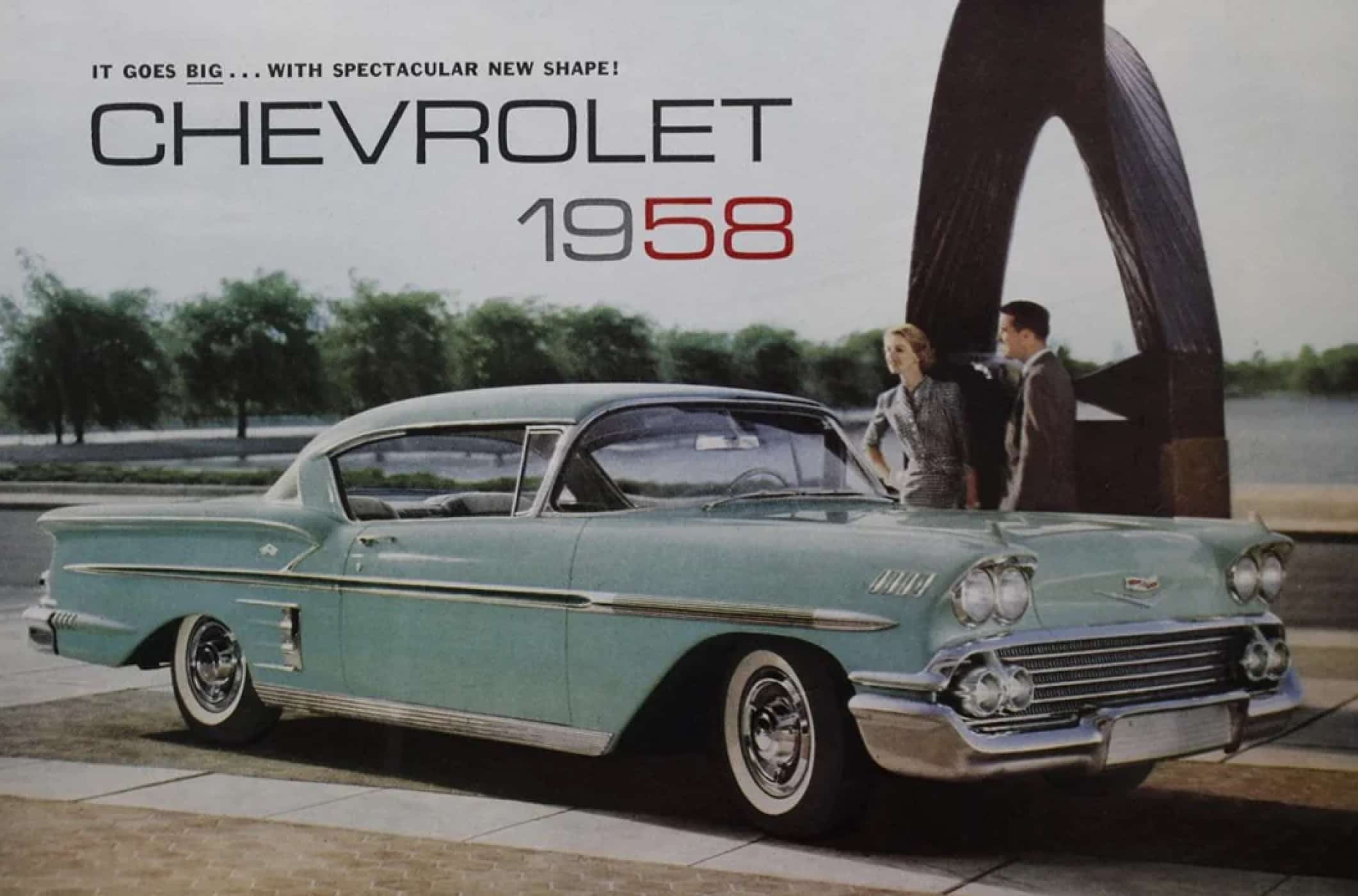
The 1958 Impala matters because it’s the moment Chevrolet created a nameplate that would go on to define full-size American cruising.
It debuted as the top-of-the-line sporty trim in Chevy’s lineup, and it arrived wearing special details that made it instantly recognizable, most famously those triple taillights that became an Impala calling card.
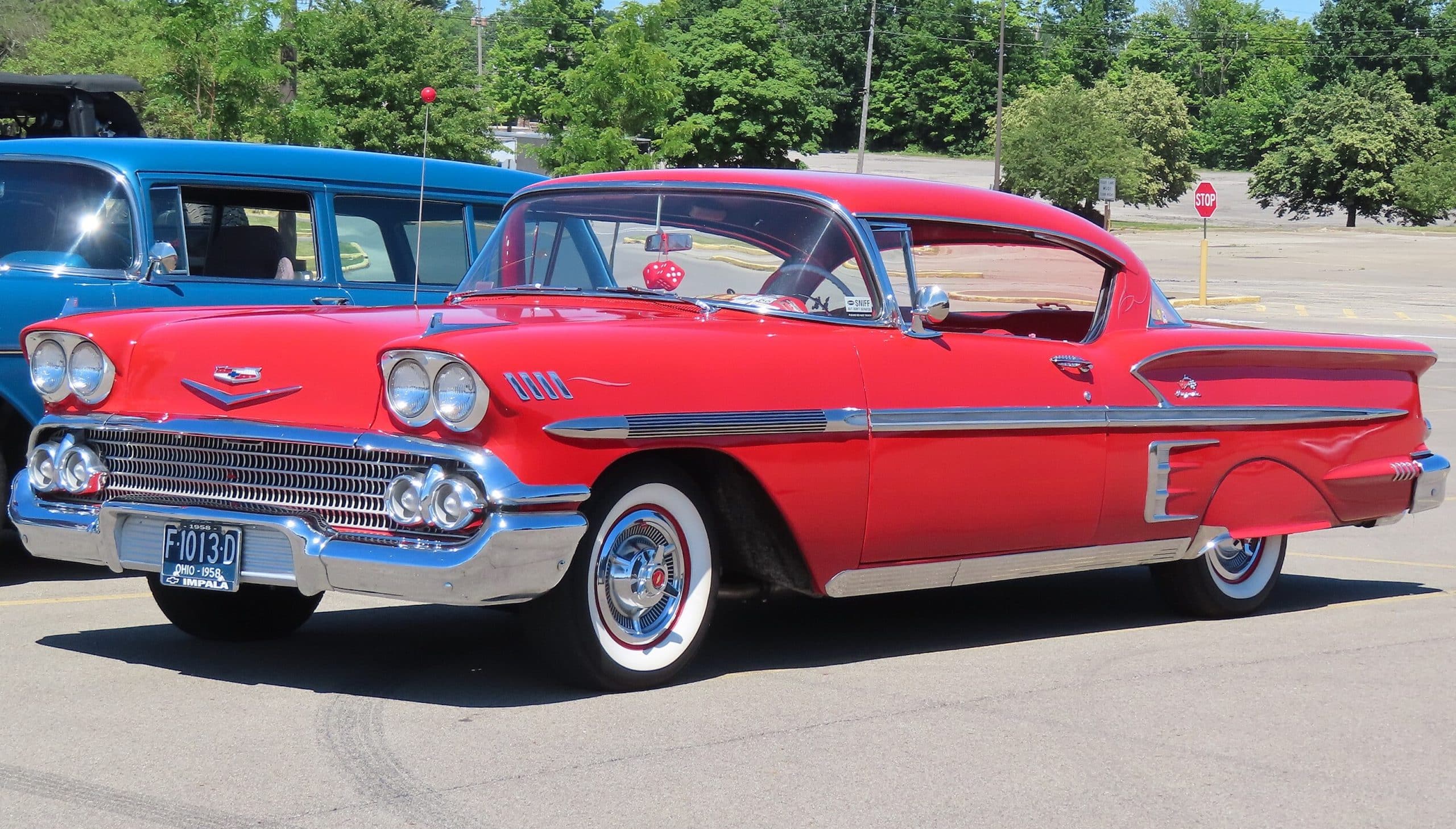
The car itself feels big, bold, and optimistic, like the highway system was built specifically for it. It’s the start of the Impala story, and it starts with swagger.
1959 Chevrolet El Camino (The original “car-truck” done with style)
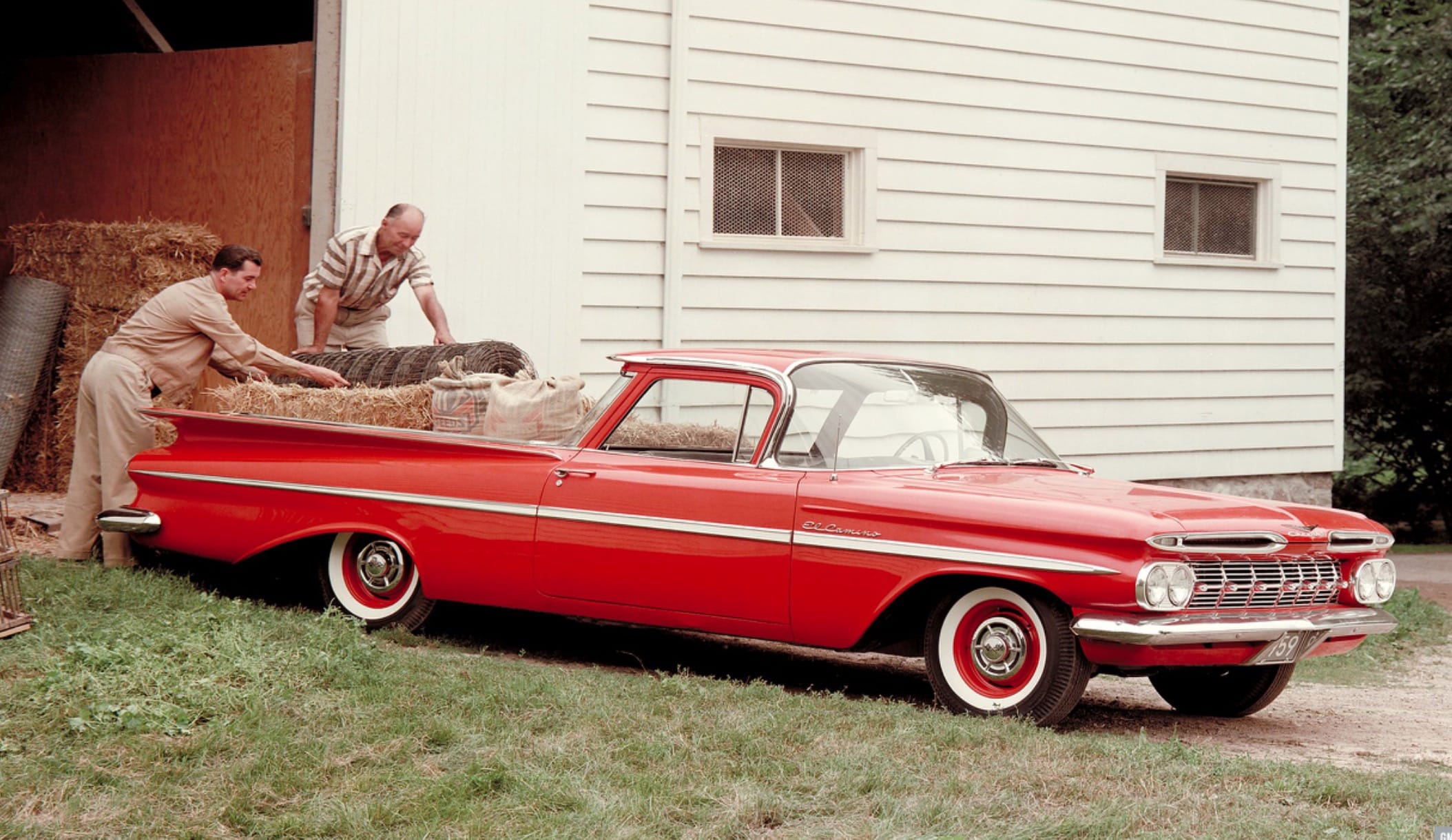
The 1959 El Camino is Chevy taking one look at the “car-based pickup” idea and saying, “Fine…let’s make it fun.”
Built to go toe-to-toe with Ford’s Ranchero, the El Camino mixed passenger-car comfort with a usable bed, and it did it with outrageous late-’50s styling that nobody could ignore.
It’s the kind of vehicle that makes you imagine a guy in a short-sleeve button-down hauling lumber on Saturday and cruising Main Street on Sunday—utility with a wink. Weird on paper, perfect in real life.
1963 Corvette Sting Ray (The split-window holy grail)
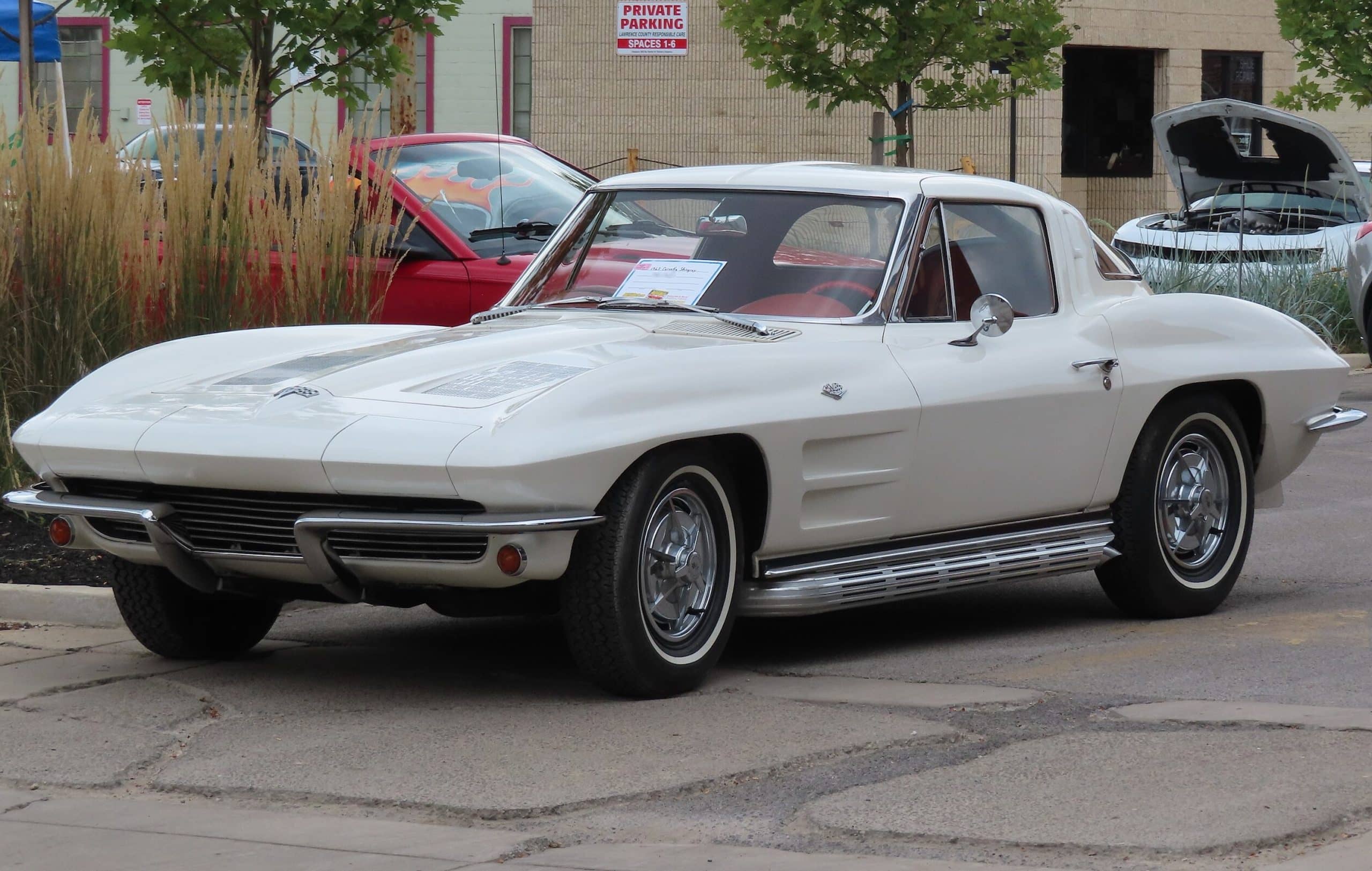
The 1963 Corvette Sting Ray is the one that makes grown men suddenly talk with their hands.
It was a total redesign (low, sharp, and serious) and it finally gave Corvette the kind of world-class styling that could stand next to anything from Europe without blinking.
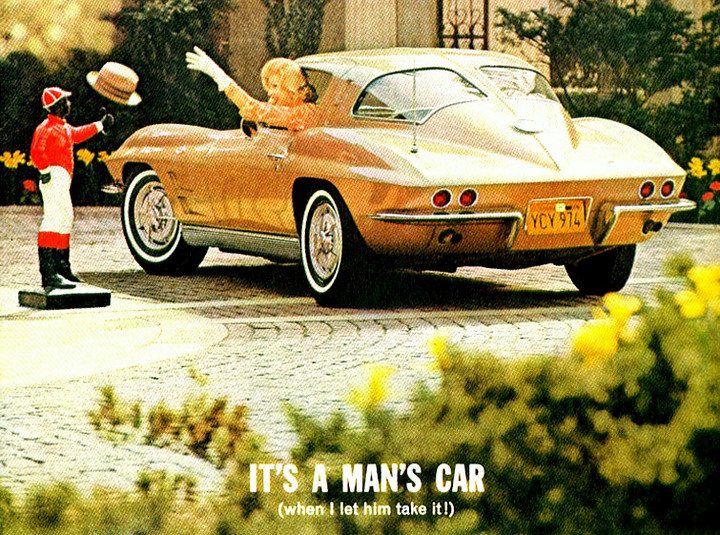
And then there’s the split rear window on the ’63 coupe: a one-year-only design quirk that turned into pure legend.
It’s not just pretty, either. This generation brought a more sophisticated chassis feel that made the car drive like it looked. Icon is an understatement.
1967 Chevrolet C10 Pickup (The truck that became everybody’s favorite project)
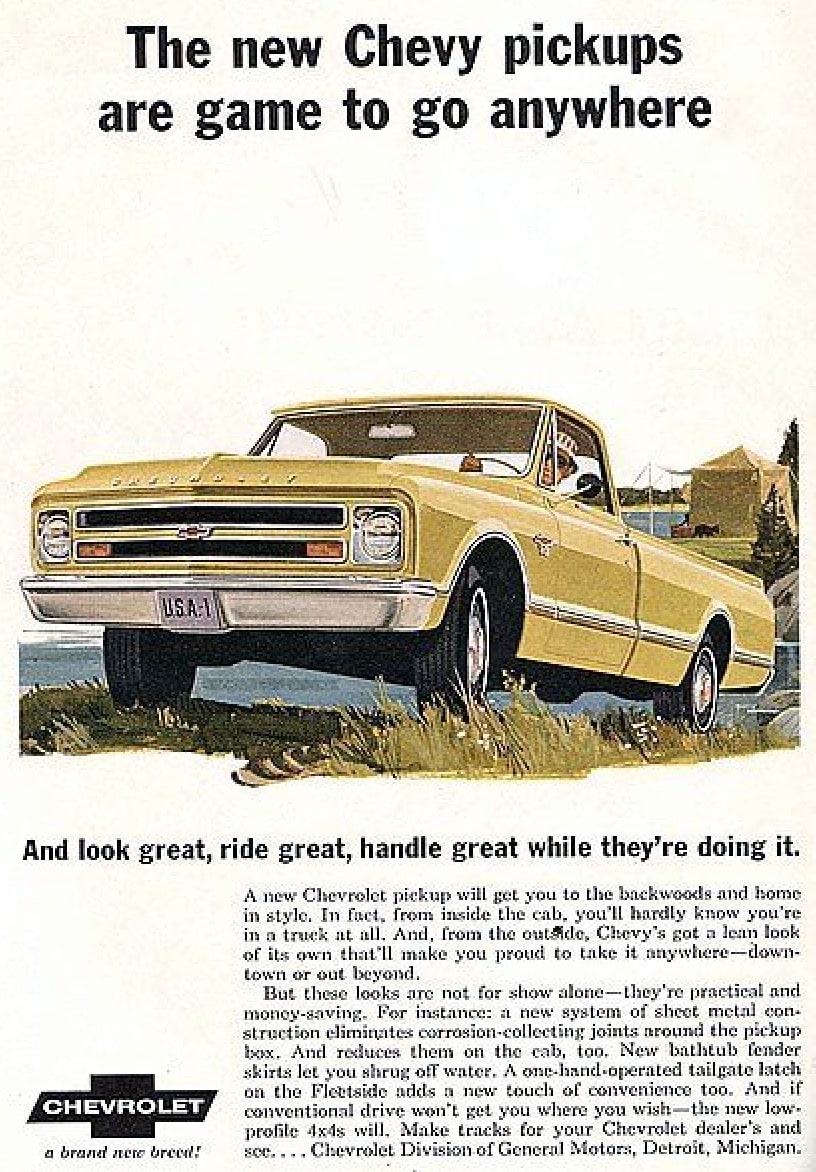
The 1967 C10 is peak classic Chevy truck: simple lines, perfect proportions, and just enough brightwork to look proud without trying too hard.
This is the first year of the third-generation C/K, and Chevy nailed the “use it all week, cruise it on Saturday” formula.
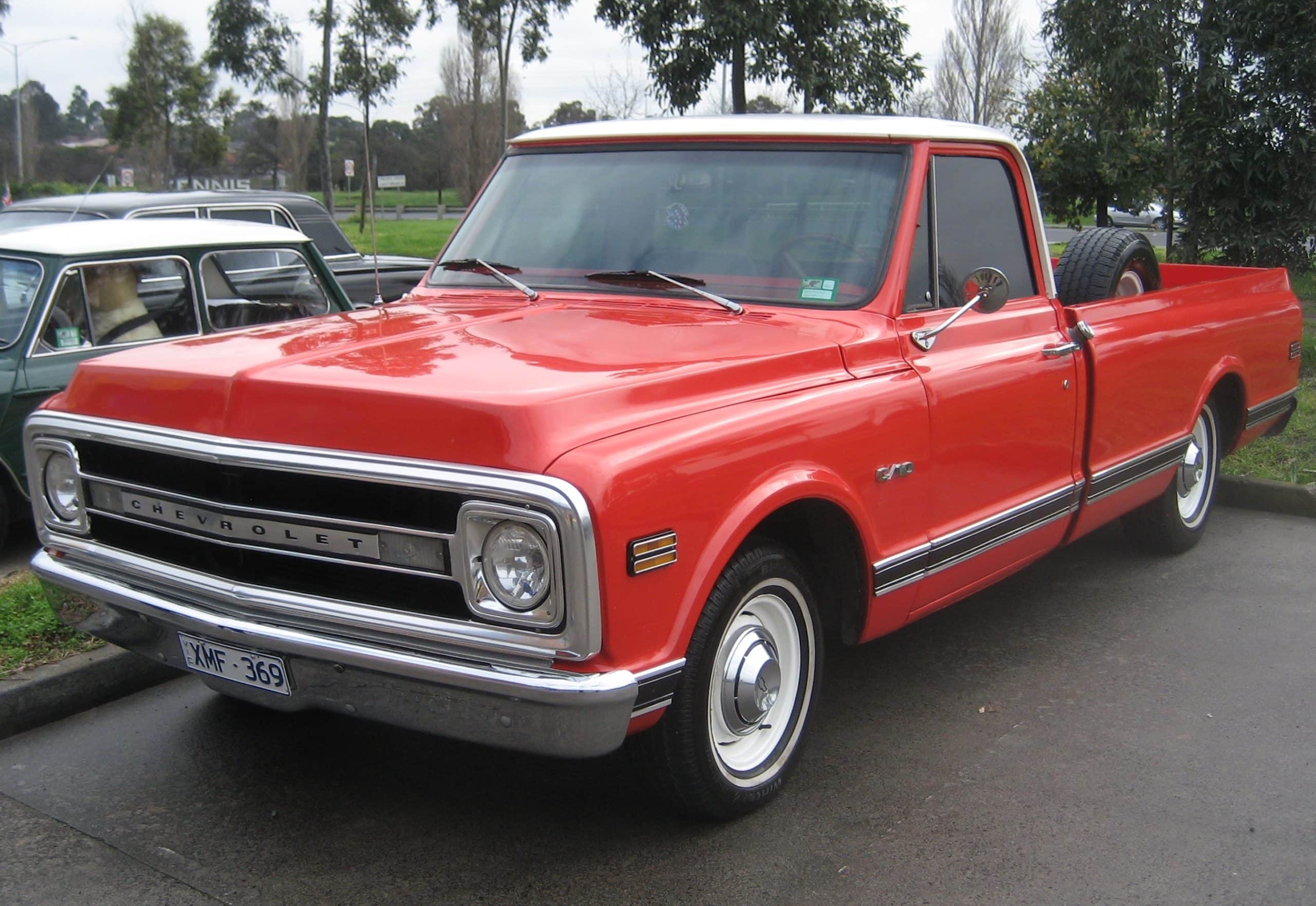
They’re loved because they’re honest, straightforward, and incredibly adaptable—lower it, lift it, restore it, hot-rod it, keep it stock… it all works.
A clean ’67 C10 has that rare quality where it looks right in any driveway, from a farm lane to a suburban garage.
1969 Camaro Z/28 (The sweet-spot muscle car that still looks fast parked)
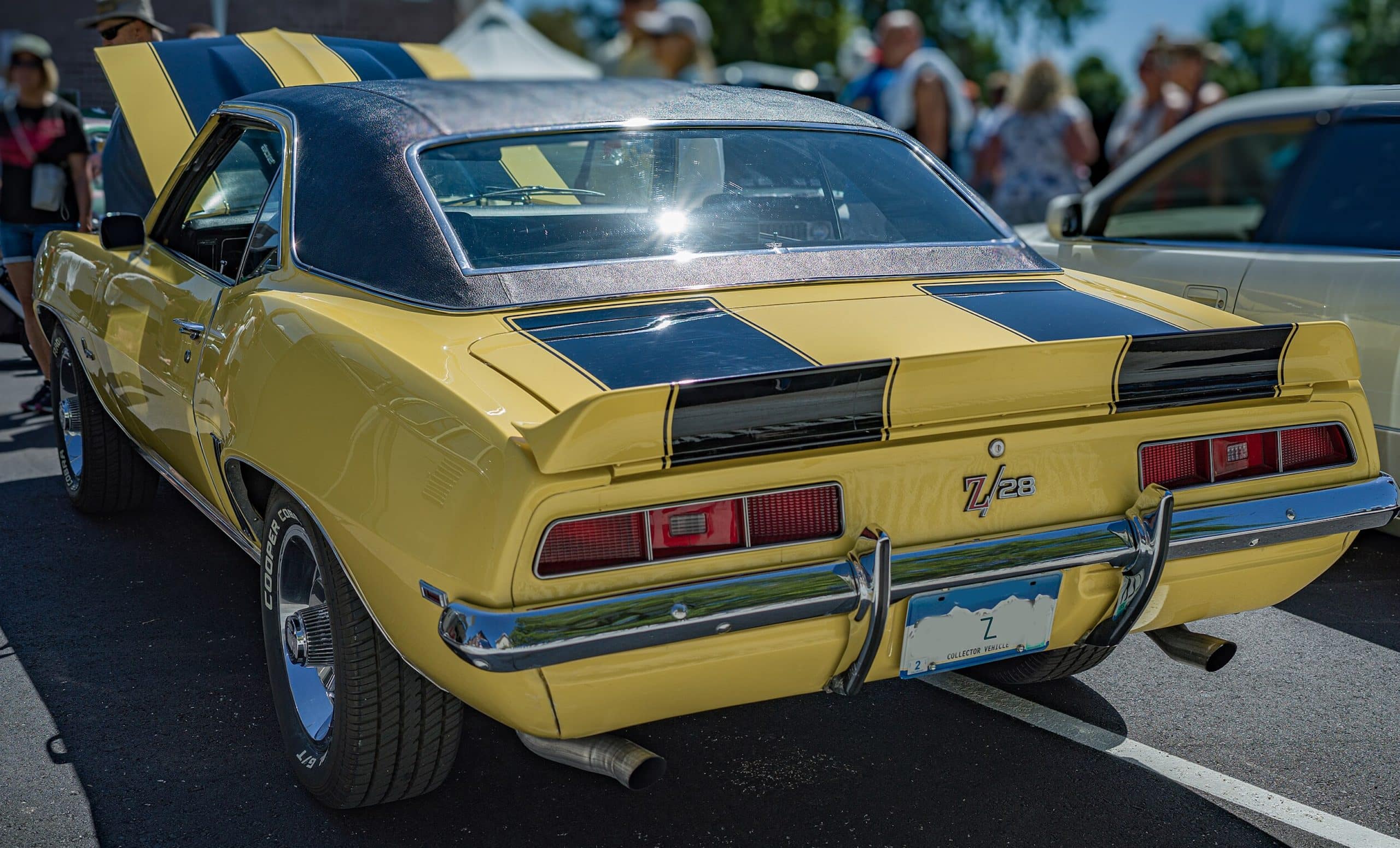
The 1969 Camaro Z/28 is what happens when a factory pony car gets dialed in by people who cared about more than straight-line bragging.
The styling is all business—wide stance, aggressive nose, and lines that look like they were drawn at speed.
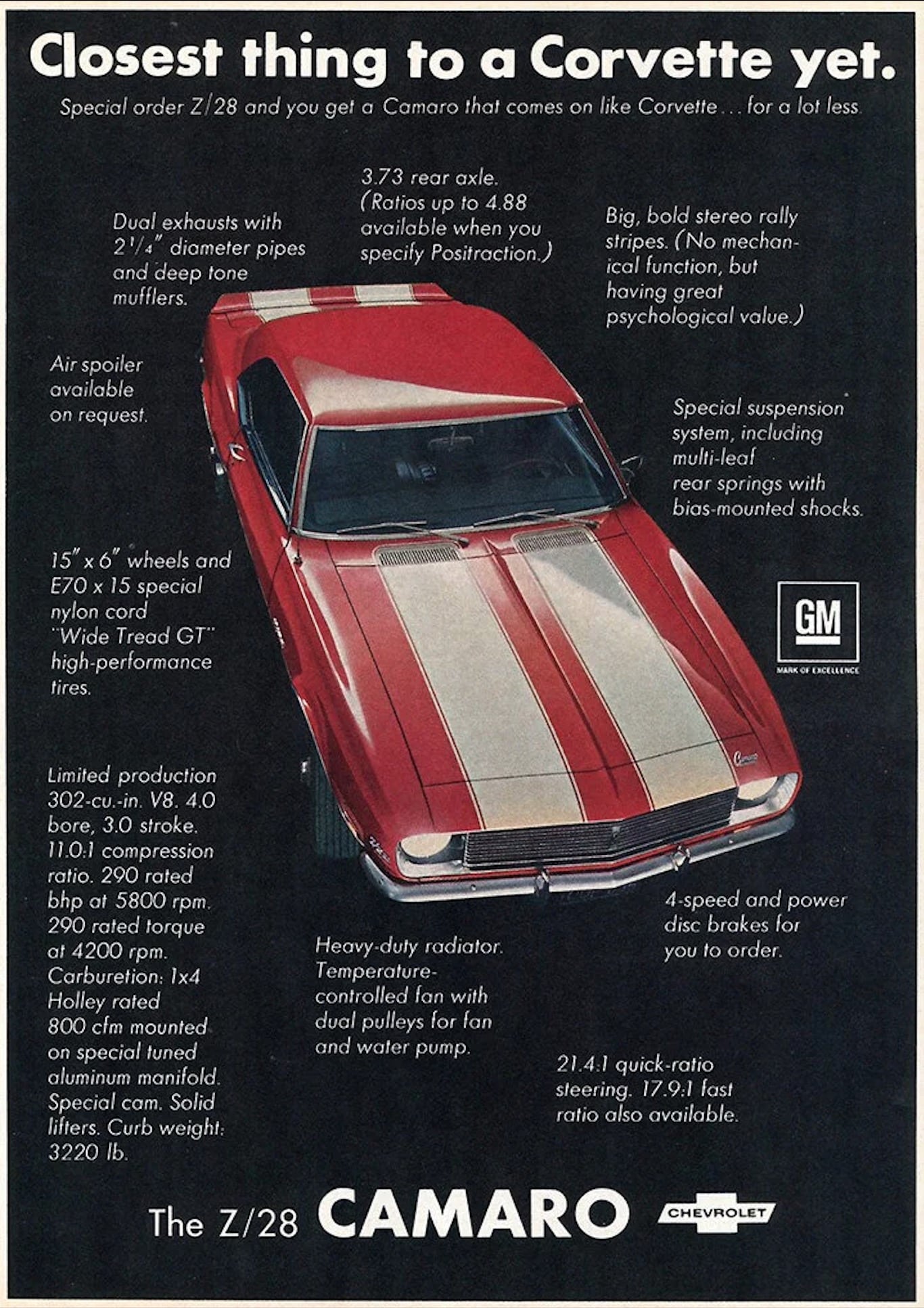
Z/28 models also carry that road-race-bred reputation that separates them from the “just add cubic inches” crowd.
Even folks who can’t tell a carb from a coffee can know this one’s special, because the ’69 Camaro has become the universal symbol for late-’60s American performance: loud, confident, and built to be driven hard.
1970 Chevelle SS 454 (Big-block thunder with a family-car disguise)
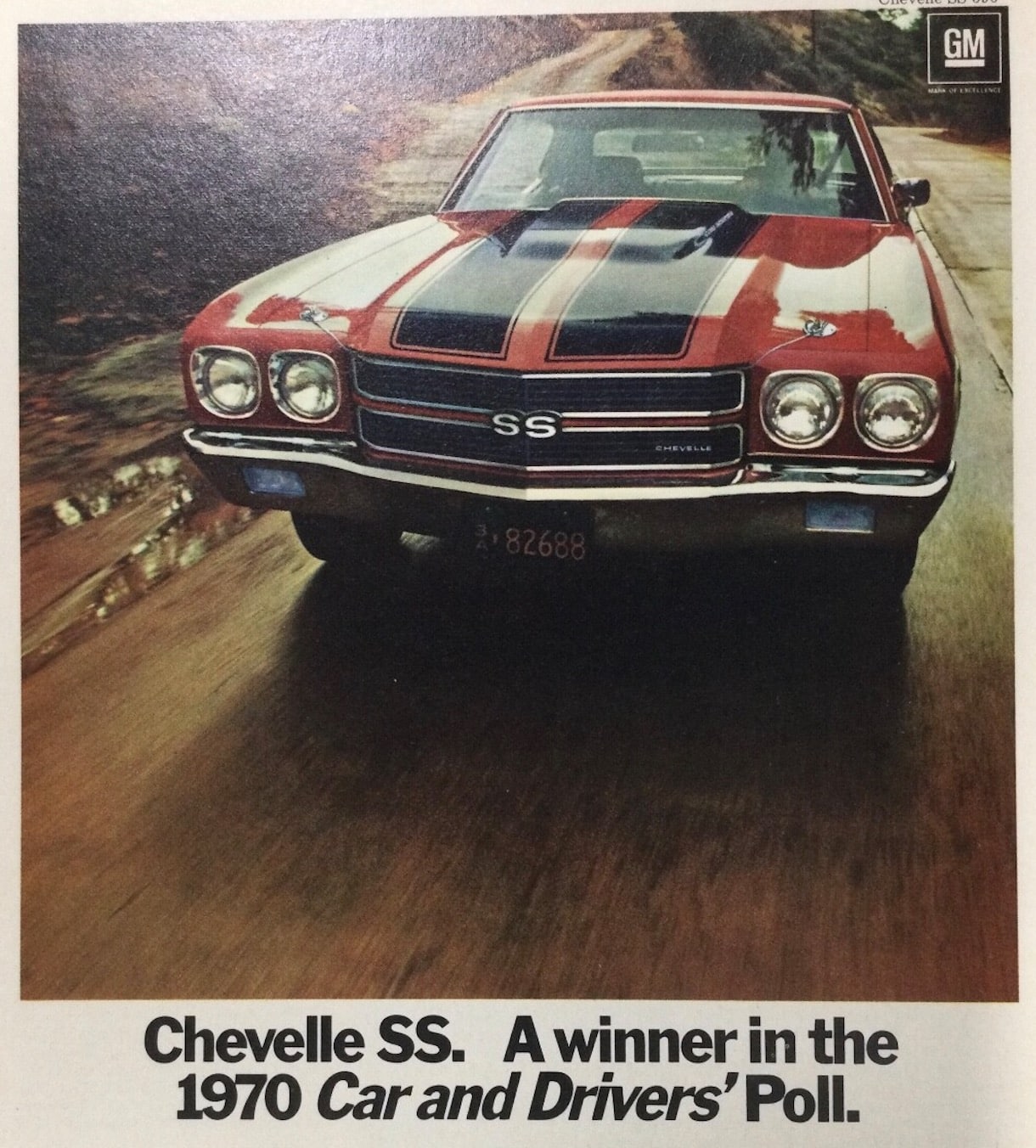
The 1970 Chevelle SS 454 is the definition of “don’t judge the grocery-getter.” It looks like a clean, handsome mid-size coupe or hardtop… right up until you realize Chevy was stuffing serious big-block muscle under the hood and selling it with a straight face.
This era of Chevelle is beloved because it’s the perfect storm: bold styling, the right stance, and that classic GM feel where everything seems ready to do something reckless.
It’s also a snapshot of the peak muscle years—when horsepower wars were real and the answer was often, “Fine—make it bigger.”
1973 Chevrolet K5 Blazer (The original full-size adventure machine)
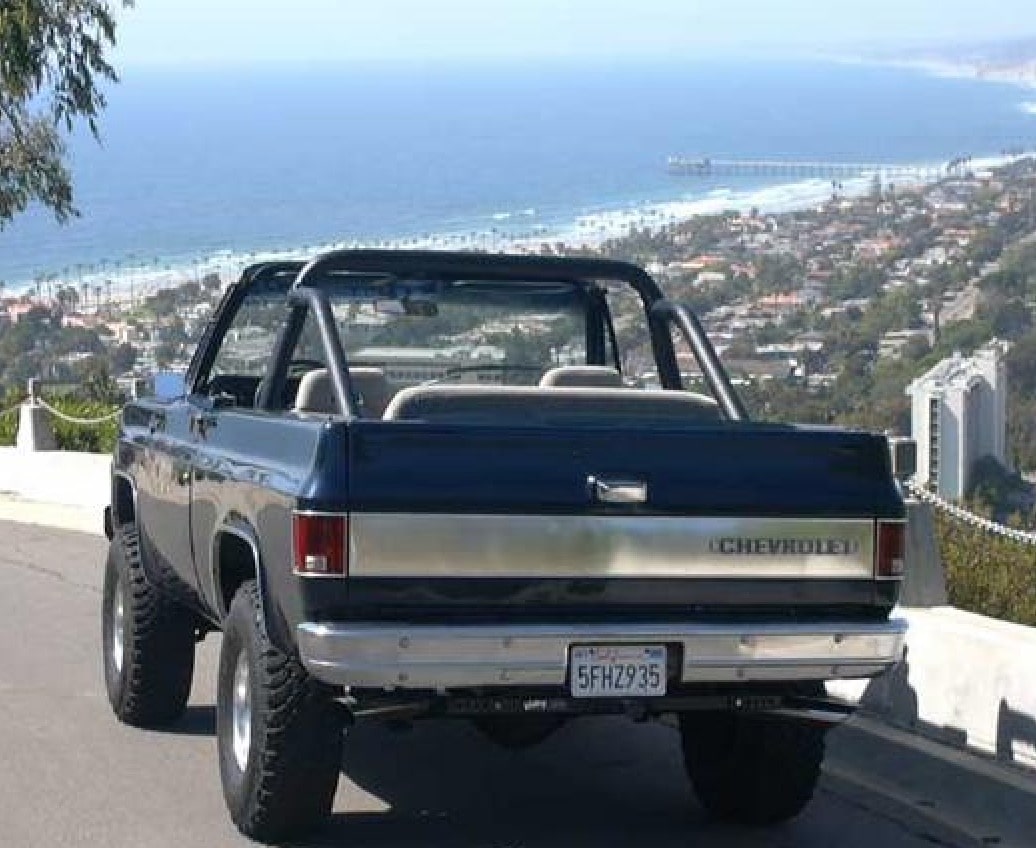
The 1973 K5 Blazer is the kind of rig that makes you want to throw a cooler in the back and disappear down a gravel road.
This was the first year of the second-generation K5, and it leaned hard into the idea that a 4×4 could be more than a work tool—it could be a lifestyle before anyone used that word.
Short wheelbase, tough stance, and that classic truck vibe where everything feels overbuilt and ready. The K5 matters because it helped write the American SUV playbook: big, capable, simple, and proud of it.
1984 Chevrolet Corvette (The C4 reset button, complete with a sci-fi dash)
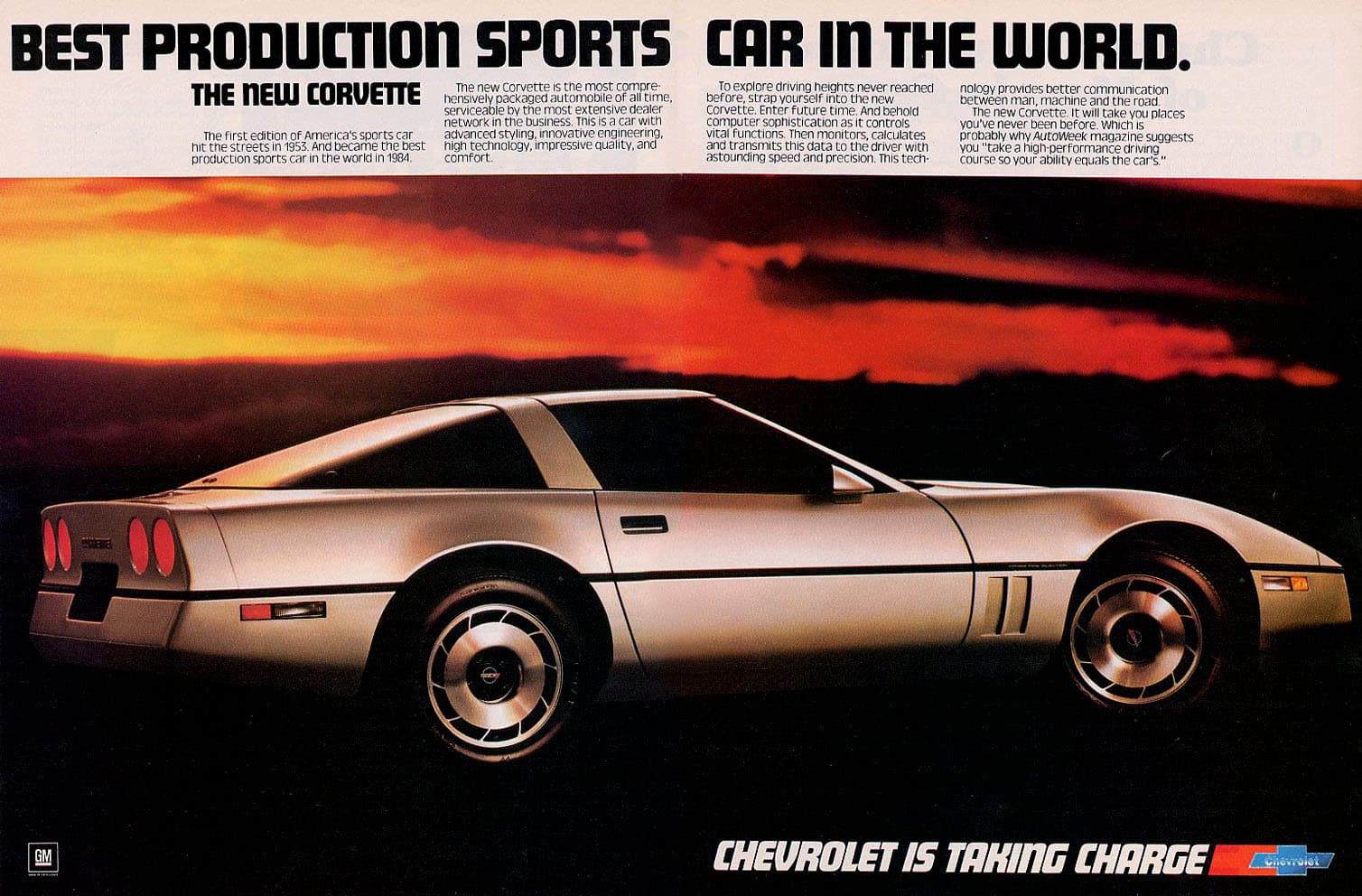
The 1984 Corvette is Chevy hitting “restart” with a clean-sheet C4—and doing it with enough high-tech flair to make 1980s kids think the future had arrived.
The headline feature was the standard all-digital LCD instrument cluster, which looked like it belonged in an arcade cabinet.
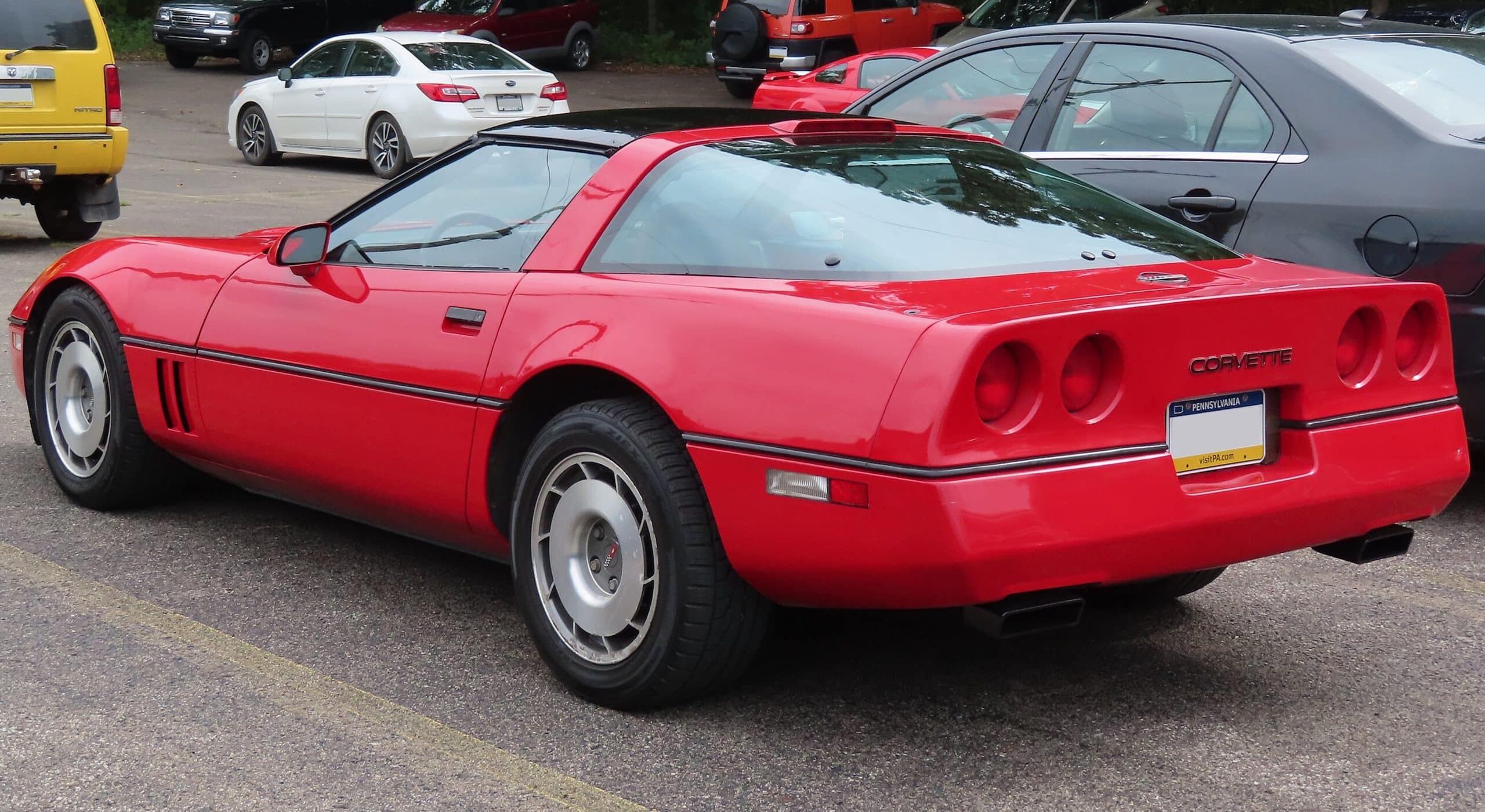
Up front, that forward-tilting clamshell hood made the whole nose feel race-car practical.
Power came from the 5.7L L83 Cross-Fire Injection V8 rated at 205 hp and 290 lb-ft, with the quirky 4+3 overdrive manual optional for extra highway legs.
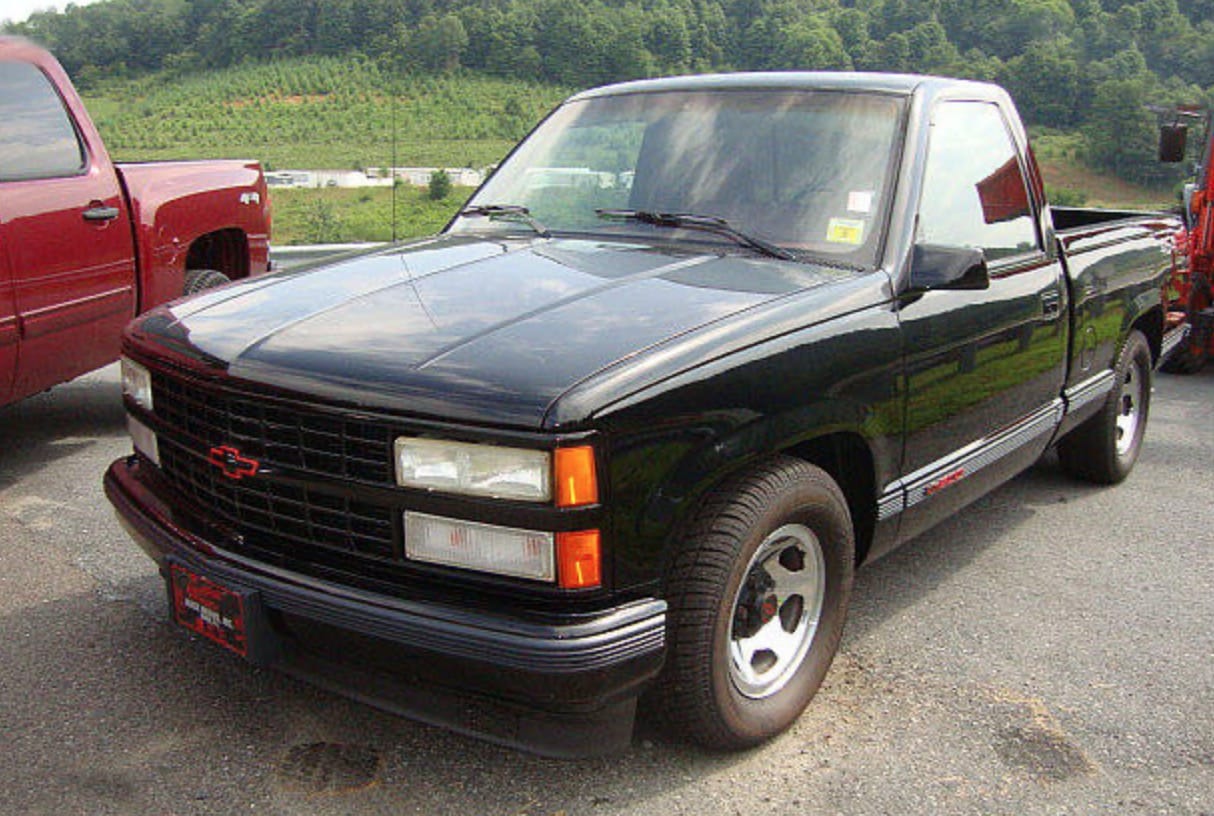
1990 Chevrolet 454SS (The original factory muscle truck)
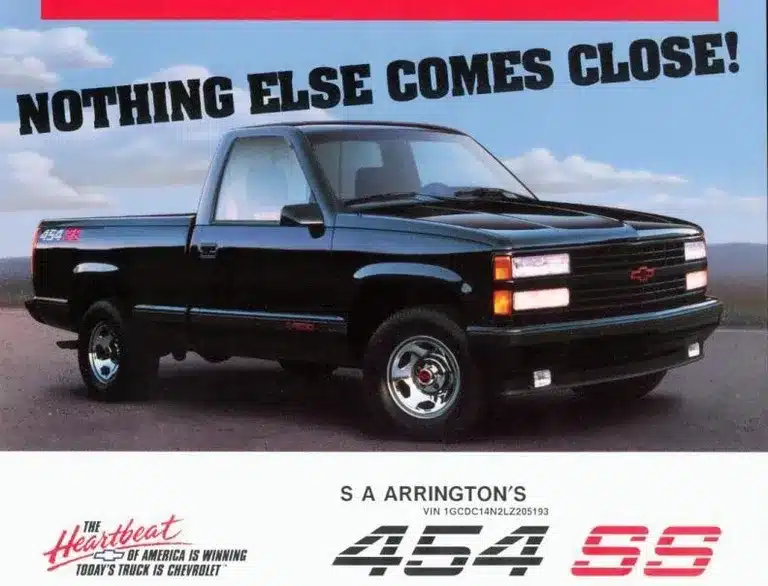
The 1990 454SS showed up like Chevy had a mischievous grin and a fresh set of rear tires to destroy. Under the hood was a fuel-injected 7.4L (454) big-block rated at 230 horsepower and 385 lb-ft of torque, backed by a 3-speed Turbo 400 automatic and 3.73 gears—more brute than ballet, and that was the charm. (HOT ROD) It wasn’t the quickest thing ever, but it felt like a street brawler in a pickup body, and it helped kick off the whole modern “muscle truck” craze. (HOT ROD)
1996 Chevrolet Impala SS (The big bad four-door with LT1 bite)
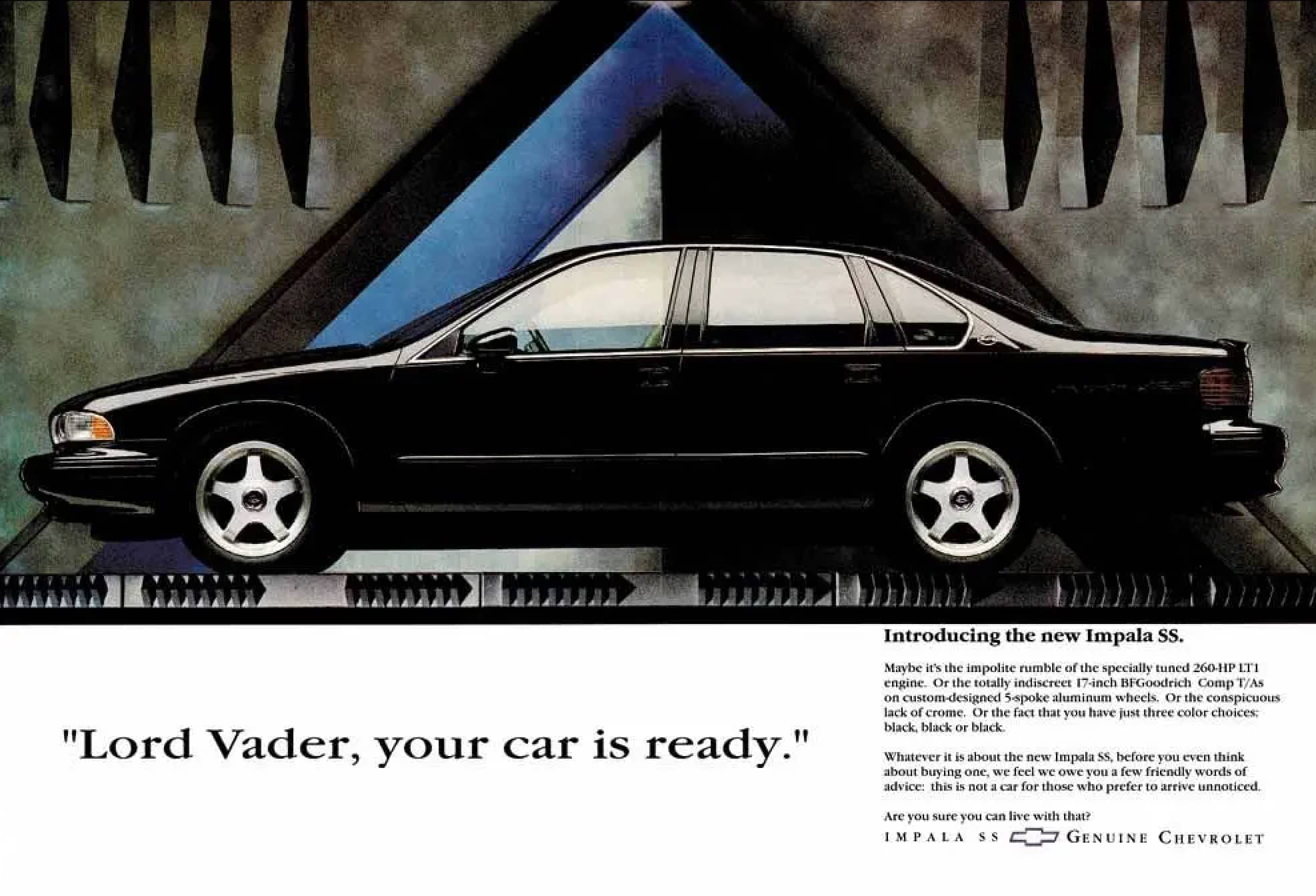
The 1996 Impala SS is the last great American “don’t-mess-with-me” sedan—big, dark, and unapologetically confident.
Chevy stuffed in the 5.7L LT1 V8 with 260 horsepower and 330 lb-ft of torque, paired to a 4-speed 4L60E automatic, giving you effortless shove whenever you leaned on the throttle.
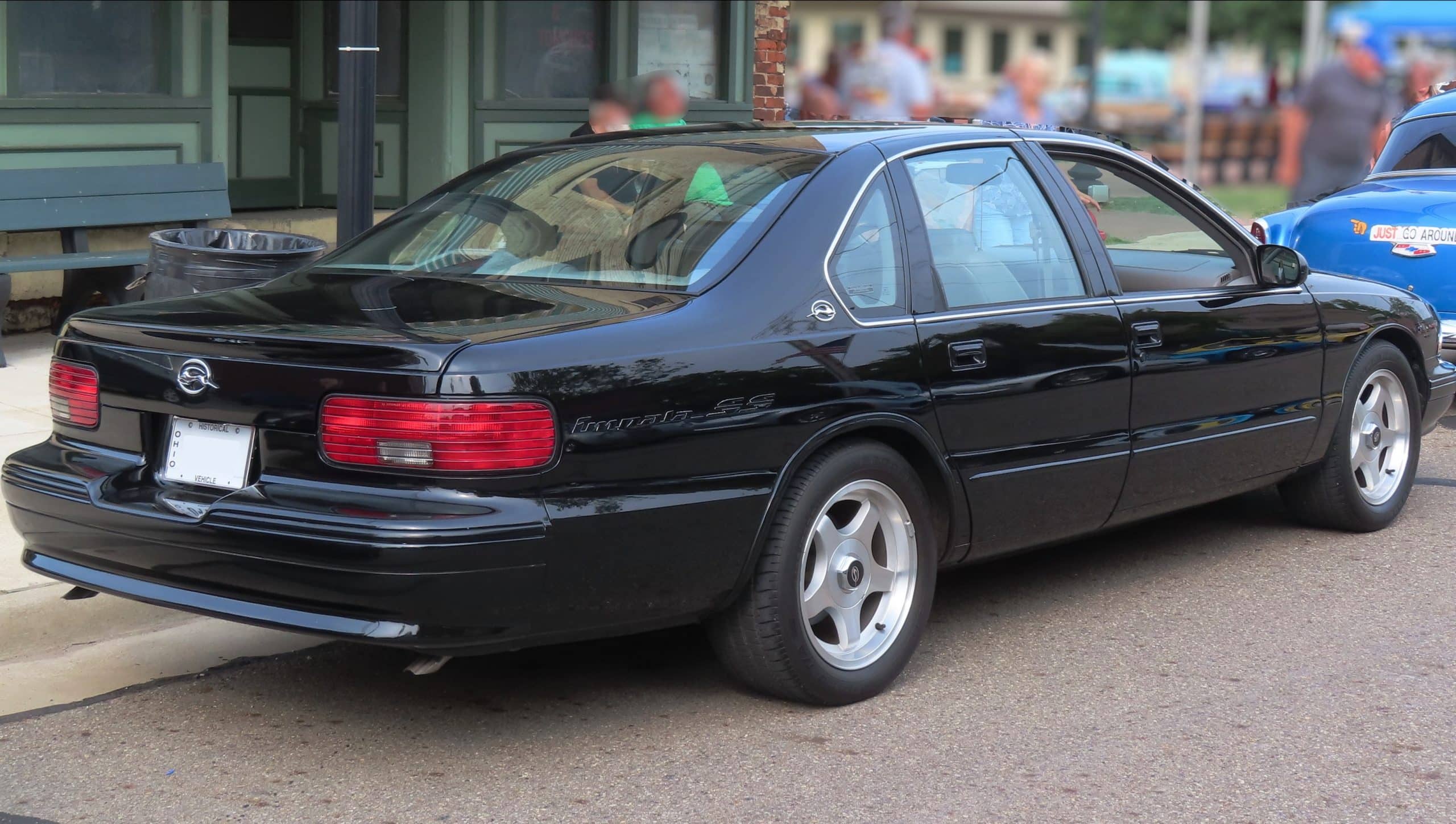
The magic is how it does the whole thing: smooth, quiet, and grown-up—like a muscle car that put on a suit but kept the same attitude underneath.
2006 Chevrolet Corvette Z06 (505-hp, track-bred American sledgehammer)
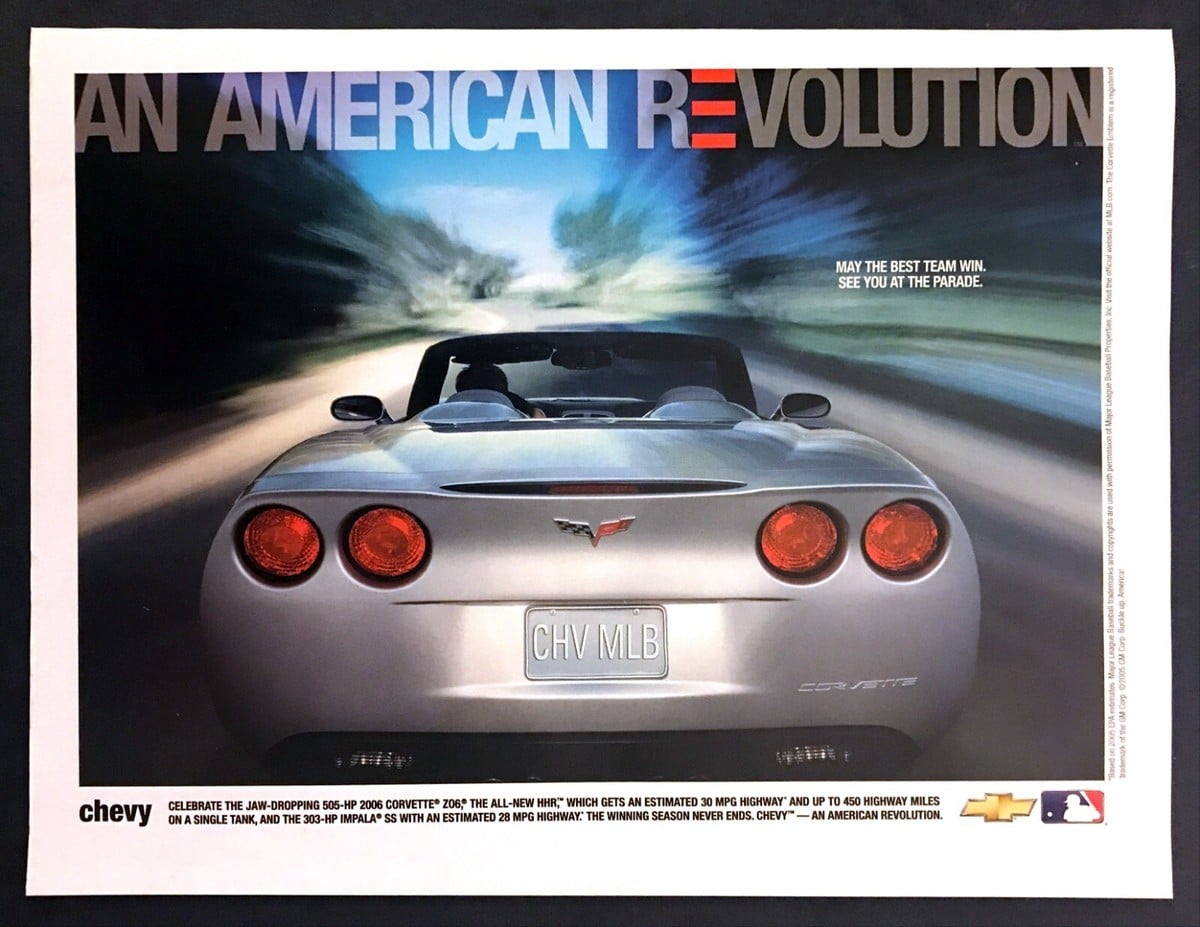
The 2006 Corvette Z06 is what happens when Chevy decides to swing for the fences and actually connects.
You got the LS7 7.0L V8 with 505 horsepower and 475 lb-ft of torque, plus serious hardware like dry-sump lubrication and lightweight internals—this wasn’t a sticker package, it was a mission statement.
The fixed-roof body helped stiffness, and the whole car had that “race team accidentally left the keys in it” vibe.
It’s one of the cleanest examples of Chevrolet building a world-class performance car without losing its blue-collar soul.
2010 Chevrolet Camaro SS (The comeback kid with a 6.2L punch)
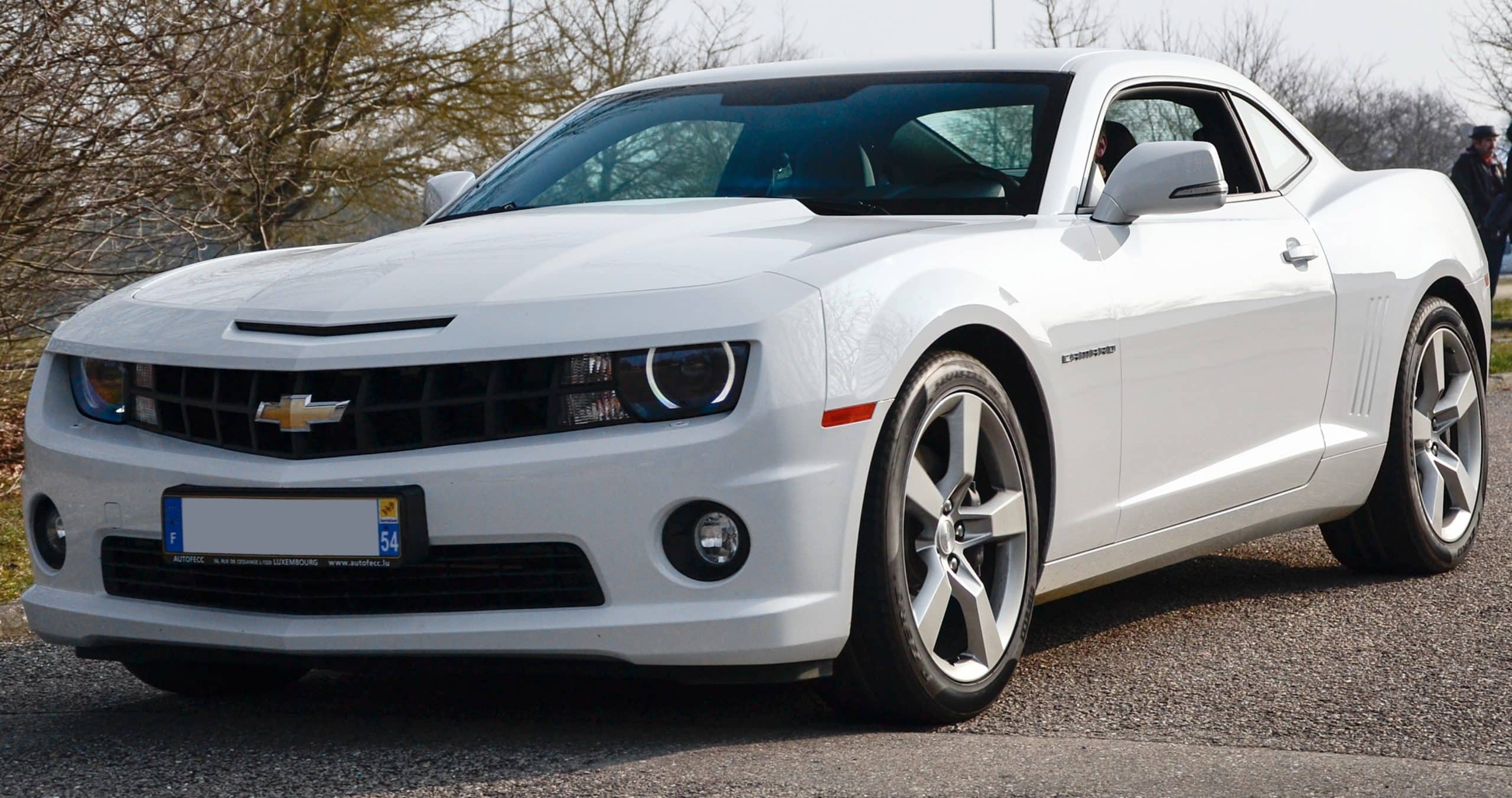
When the Camaro returned for 2010, Chevy didn’t tiptoe back into the room—it kicked the door open.
The Camaro SS brought a 6.2L V8 with 426 hp and 420 lb-ft when paired with the manual (LS3), while the automatic (L99) was rated at 400 hp and 410 lb-ft.
It looked like a concept car that somehow got a license plate, and it drove with real muscle—big torque, big presence, big grin.
The SS mattered because it made modern muscle feel legitimate again, not like a nostalgia act.
2014 Chevrolet Corvette Stingray (The C7 that modernized the legend)
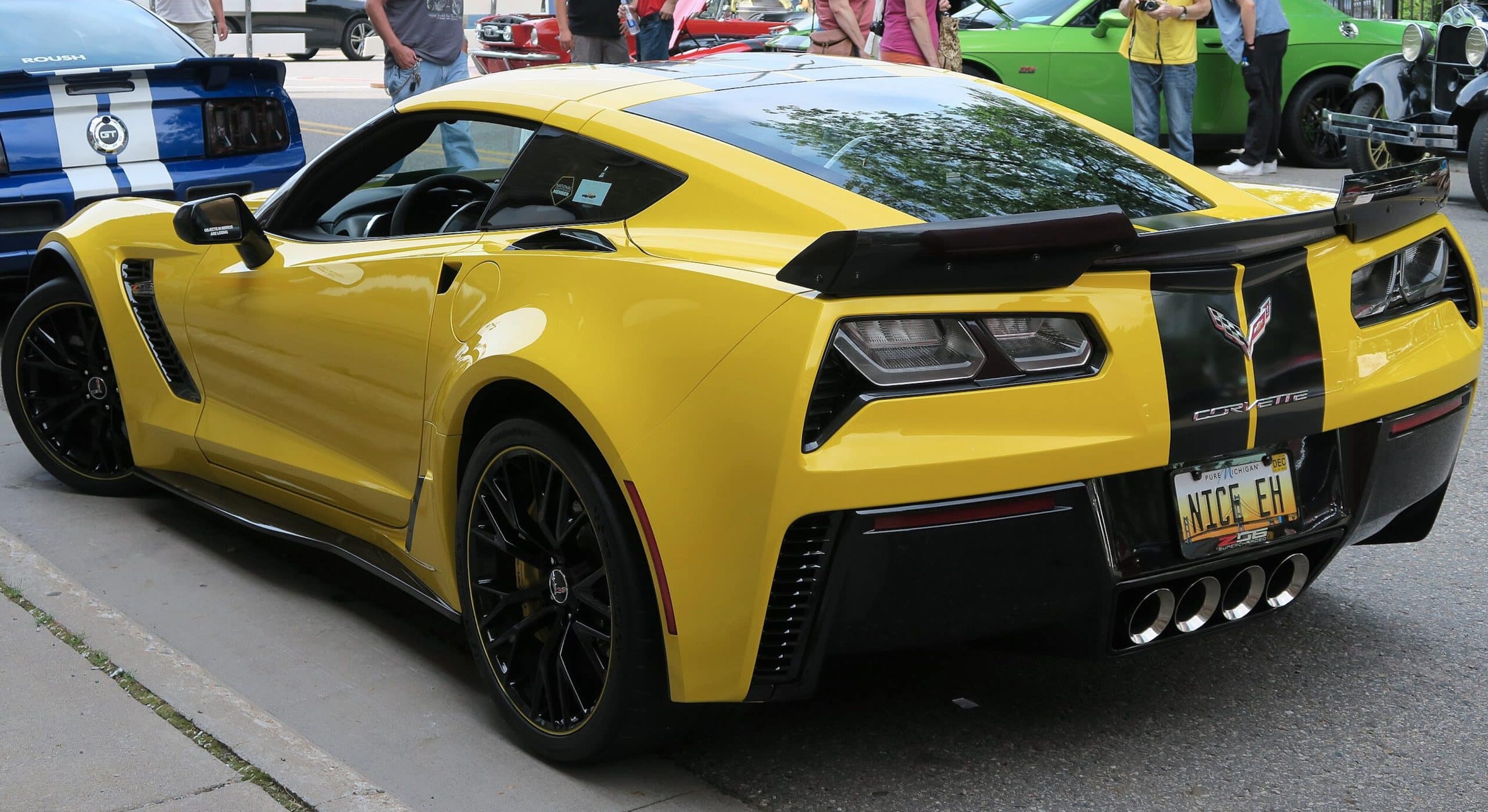
The 2014 Corvette Stingray is Chevy proving it can reinvent a legend without breaking what people love about it.
The new 6.2L LT1 was officially rated at 455 hp and 460 lb-ft in standard form, with an available performance exhaust bumping it to 460 hp and 465 lb-ft.
It also introduced the 7-speed manual option in this era, giving the car a modern feel without losing the classic front-engine Corvette attitude.
The result was a car that felt sharper, faster, and more “now”… while still feeling unmistakably Corvette.