
They once filled office parking lots, high school student lots and every third driveway on the block. Today, spotting one in traffic would be more surprising than seeing a Ferrari.
Ordinary cars rarely receive a proper goodbye. Nobody gathers the family around a tired Chevrolet Citation and announces that it is about to make its final trip. The car gets traded, handed to a teenager, sold for $600 and eventually disappears behind the fence at a salvage yard.
Most of these cars were built by the hundreds of thousands—and sometimes by the millions. Almost nobody preserved them because saving a worn-out commuter for future generations made about as much sense as putting the family toaster in climate-controlled storage.
This is not a ranking of greatness. Beige is not a competitive sport. It is a countdown through 25 cars that once seemed permanent and then quietly evaporated from American roads.
25. Ford Pinto
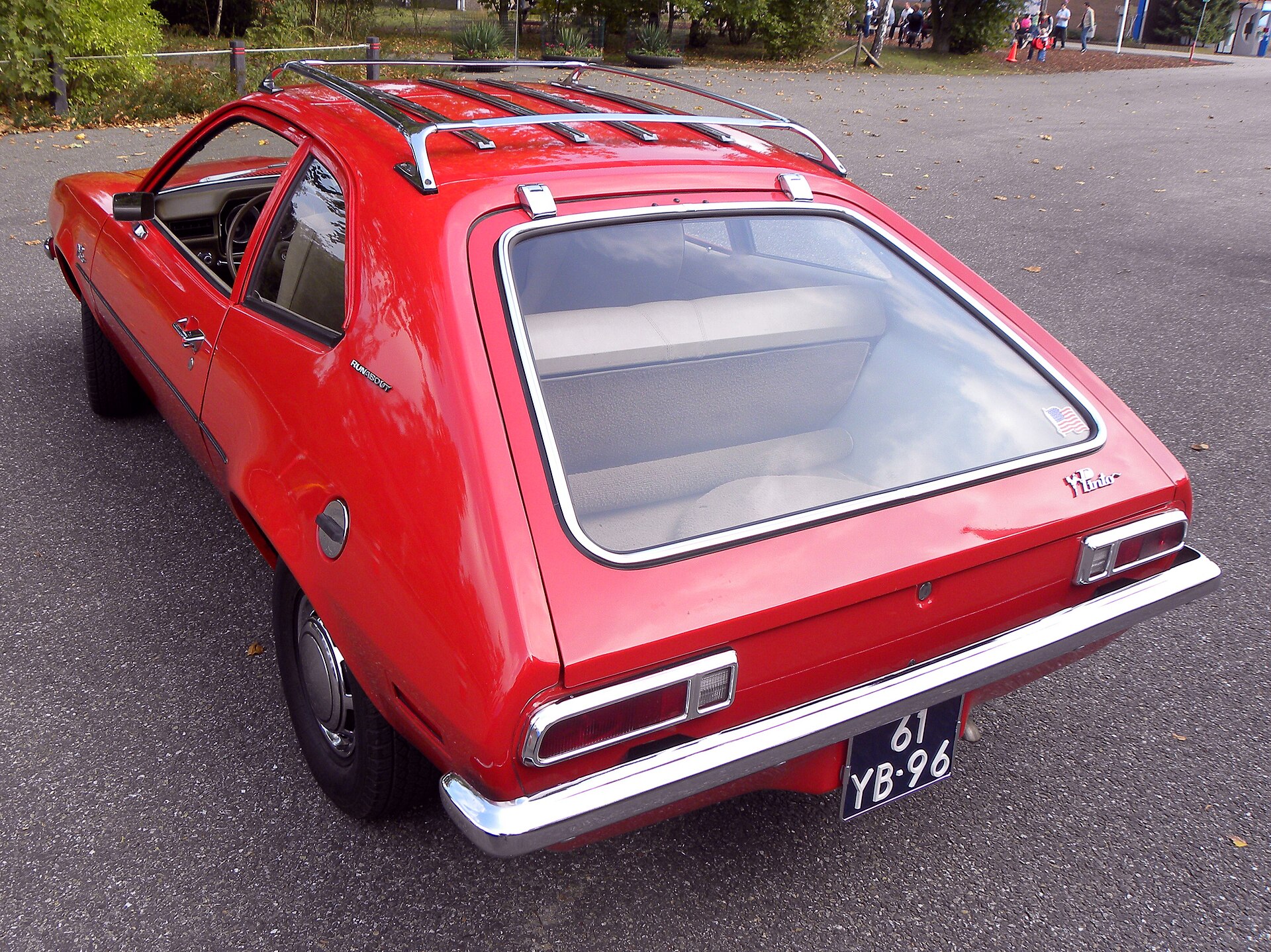
For most people, the Ford Pinto now exists as a punchline. During the 1970s, however, it was simply everywhere. Ford sold more than three million Pintos from the 1971 through 1980 model years. They came as coupes, hatchback Runabouts and little wagons, often wearing colors borrowed from a kitchen-appliance catalog.
The Pinto was inexpensive, easy on gasoline and just large enough for the basic duties of an American household. It was also caught in one of the most notorious safety controversies in automotive history. A massive fuel-system recall permanently attached the Pinto name to grim headlines and late-night jokes.
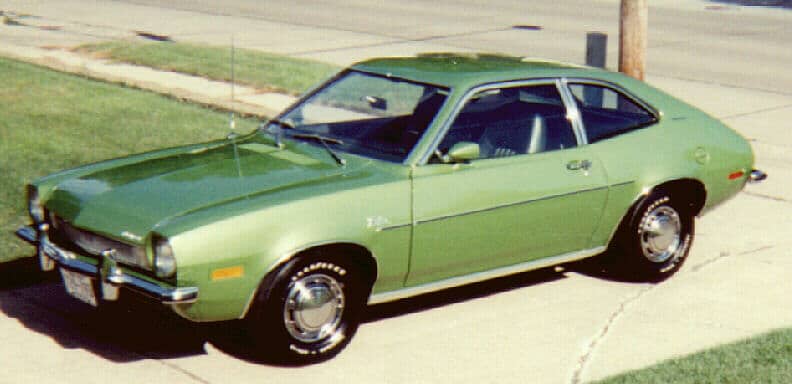
That reputation made old Pintos disposable. Rust and hard use handled the rest. A few wagons and sporty models survive, and hot-rodders occasionally stuff V8s into them, but a plain brown Pinto with skinny tires and plastic wheel covers has become an exotic animal. Ford once built more than half a million in a single year, making that disappearance even more remarkable.
Forty-five years ago, nobody crossed the street to look at one. Today, a clean Pinto at a gas station could draw a crowd before the owner finished filling its tiny tank.
24. Datsun B210
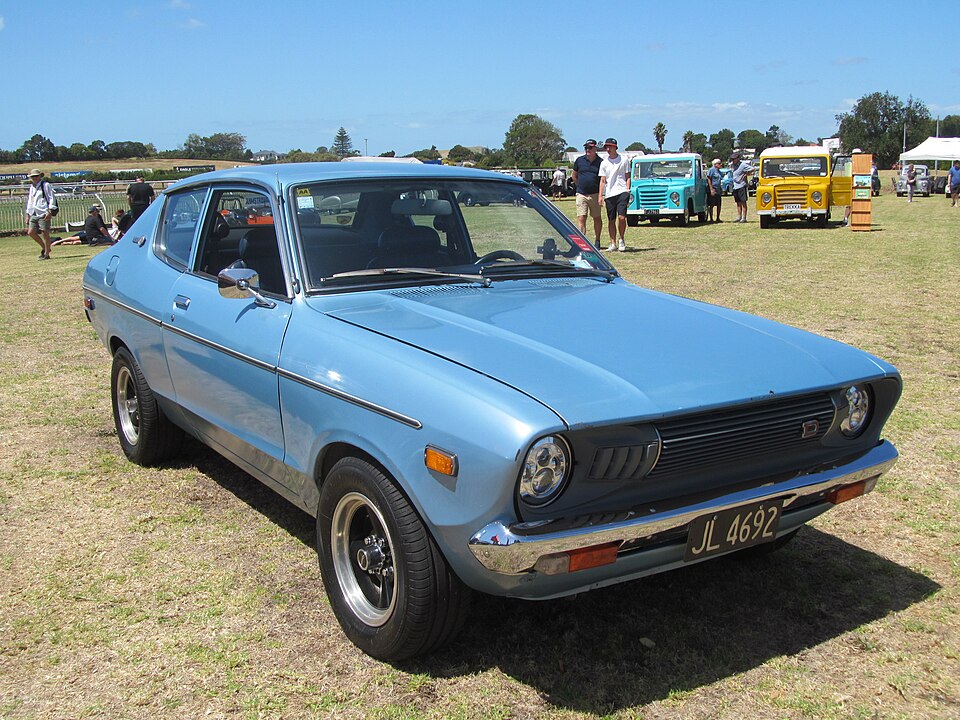
The Datsun B210 arrived in the United States for 1974 with impeccable timing. Gas prices were climbing, fuel lines were growing and Americans were suddenly willing to consider a tiny Japanese car that looked as though it could fit in the trunk of a Cadillac.
Sold here through 1978, the B210 was light, simple and exceptionally thrifty. Buyers could choose a two-door sedan, four-door sedan, hatchback or wagon. The wonderfully basic Honey Bee turned minimal equipment and high fuel economy into an actual personality.
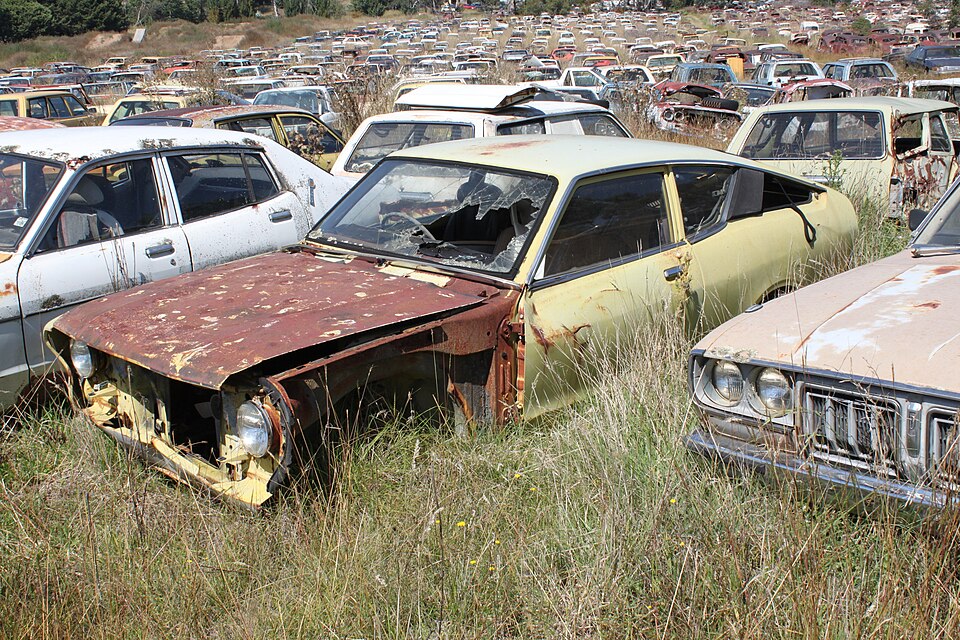
These cars commuted through salt, carried college students and served as secondhand transportation until the floors became theoretical. Their engines often lasted longer than the thin bodywork wrapped around them. The B210 arrived just as the fuel crisis made thriftiness fashionable, but fashion moved on long before the rust did. By the time anyone became nostalgic, most had returned to the earth one fender at a time.
Survivors now look delightfully delicate beside modern traffic. The narrow pillars, tiny bumpers and pizza-cutter tires recall when an economy car meant removing nearly everything unnecessary. The B210 promised to sip fuel and get you there. Usually, it did.
23. Plymouth Volaré
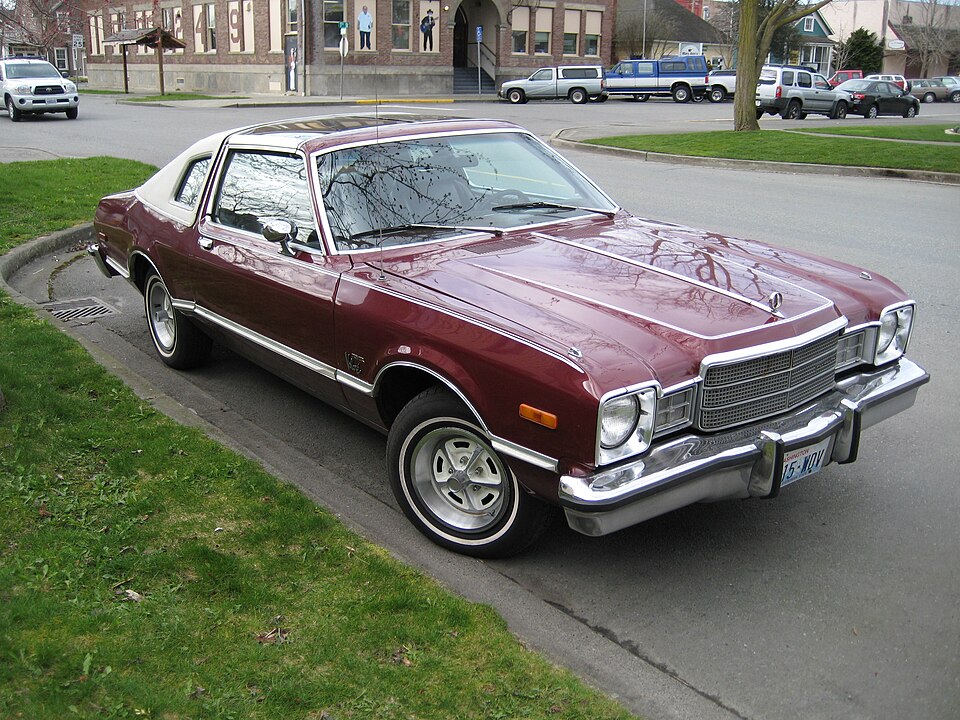
The Plymouth Volaré and its Dodge Aspen twin replaced the beloved Valiant and Dart for 1976. Expectations were high enough that the pair received Motor Trend’s Car of the Year award. Then owners discovered that the new cars had brought a few surprises to the relationship—and not the fun kind.
Early Volarés suffered from recalls, corrosion and assorted quality problems. Chrysler corrected many issues, but the reputation stuck. The basic package made sense: coupe, sedan or wagon bodywork, six-cylinder or V8 power and room for an actual family.
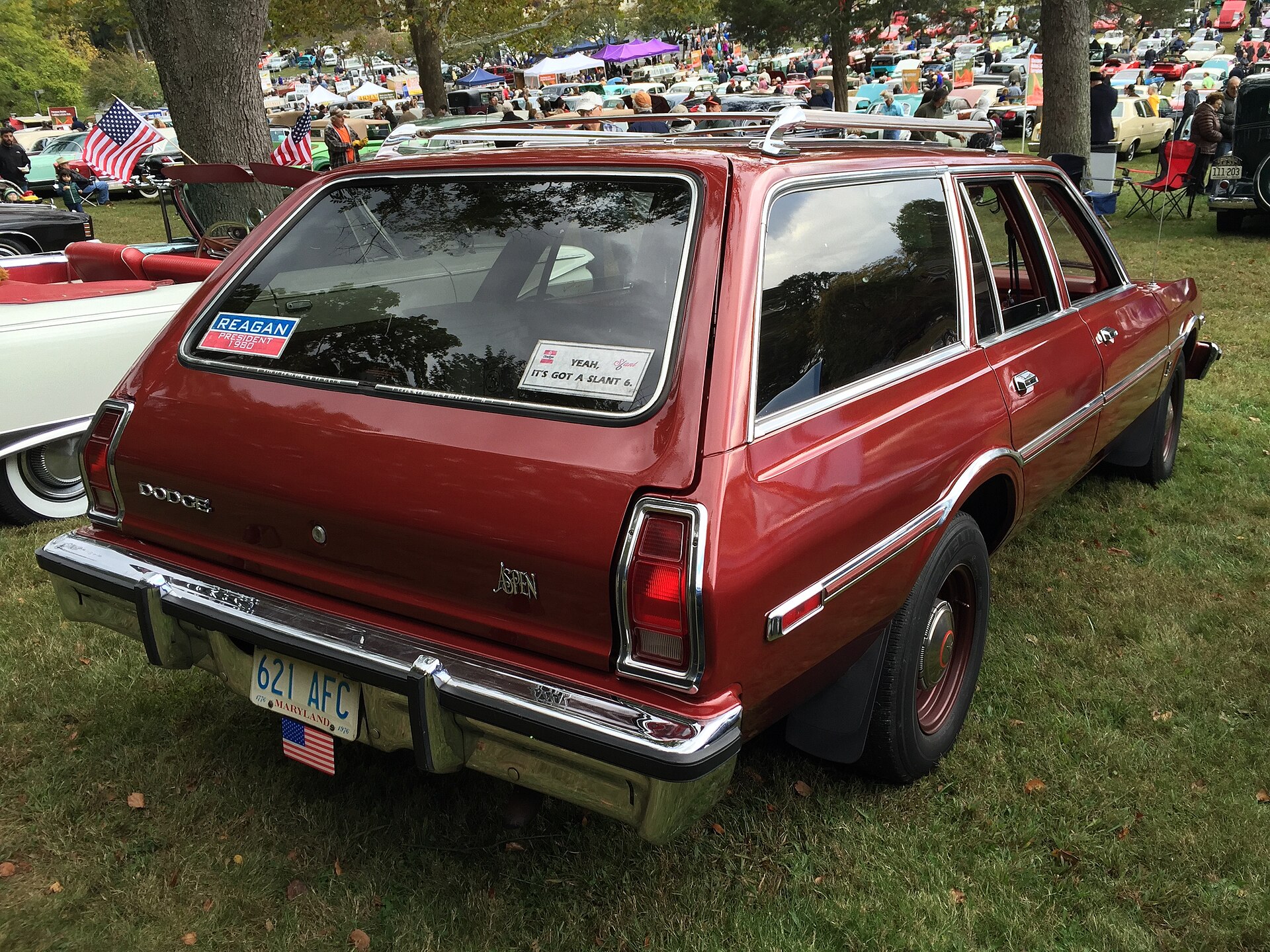
For several years, Volarés were fixtures in suburban America. Wagons wore imitation wood, coupes could be dressed with stripes and spoilers, and sedans performed errands without attracting a second glance.
Production ended after 1980. Many cars were driven until the rust met in the middle, while others donated engines and transmissions to older Mopars collectors cared about more. The Car of the Year trophy remained, even after the cars became regulars at junkyards. A brown-and-woodgrain Volaré wagon now has more presence than it ever did when new. Time has a way of making even a troubled family car look honest.
22. Mazda GLC
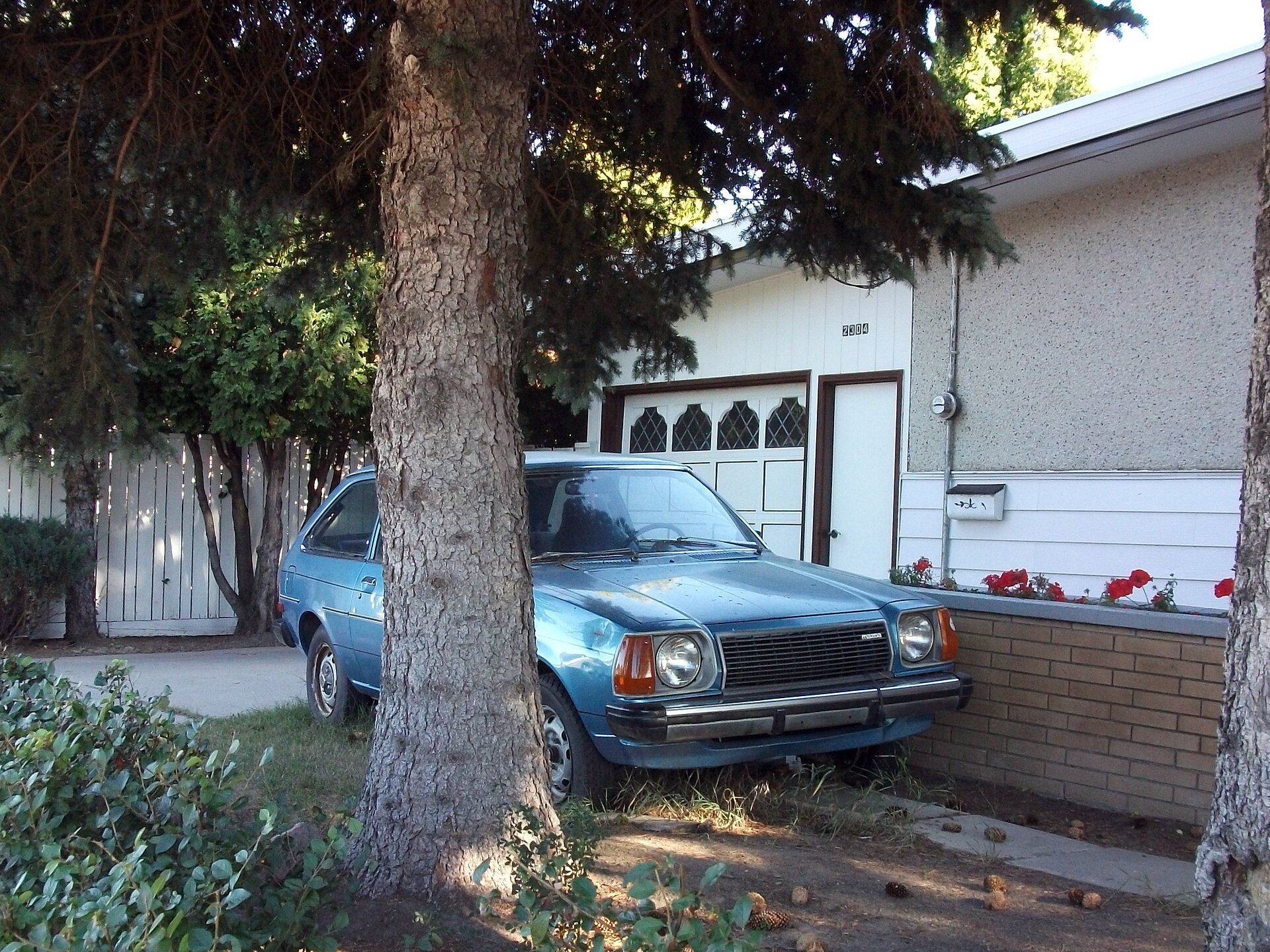
GLC stood for “Great Little Car,” perhaps the most cheerfully uncomplicated name ever attached to an automobile. There was no mysterious string of letters to decode. Mazda simply claimed it had built a great little car and left the public to decide.
The GLC name appeared in America from 1977 through 1985. Early versions were conventional rear-wheel-drive subcompacts. Later cars switched to front-wheel drive, but the mission stayed the same: reliable, efficient transportation in a tidy package.
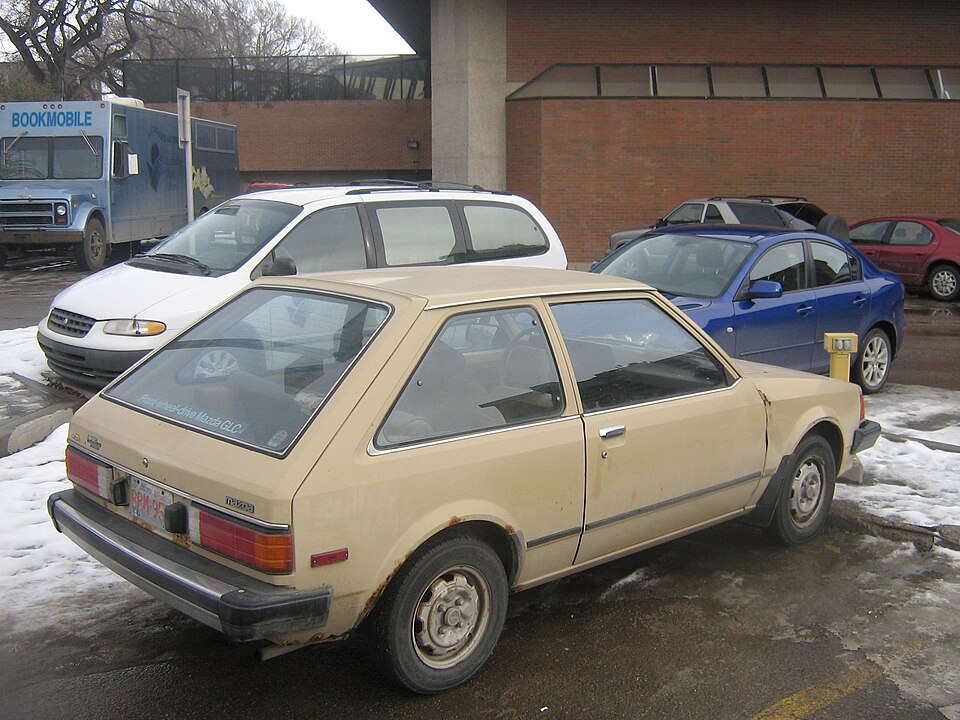
GLCs came as hatchbacks, sedans and wagons. They competed with the Corolla, Civic, Datsun offerings and a growing field of American economy cars. The Mazda was pleasant but lacked the dramatic reputation that persuades people to hide a car under a cover for 30 years.
That anonymity proved fatal. Used GLCs became commuter cars, first cars and delivery cars until rust or one expensive repair finished them. Mazda eventually replaced the North American GLC name with 323, bringing it closer to what buyers overseas already knew. The GLC disappeared so thoroughly that younger enthusiasts could be forgiven for assuming it was merely an old trim level.
21. Ford Granada

Ford introduced the Granada for 1975 with advertising that invited comparisons to a Mercedes-Benz. The two shared an upright roofline and formal grille if you stood far enough away, removed your glasses and wanted very badly to believe.
Underneath, the first Granada was a straightforward rear-wheel-drive Ford with roots extending back to the Falcon. Buyers could order six-cylinder or V8 power, two or four doors and enough padded vinyl to furnish a modest den. The Mercury Monarch offered the same meal on a slightly fancier plate.

The Granada was sized perfectly for Americans retreating from enormous cars without being ready for truly small ones. It became a family sedan, company car and sensible choice for people who considered radial tires thrilling new technology. Those Mercedes-comparison advertisements did not fool many people, but they made the Granada unforgettable.
The original disappeared after 1980, followed by a smaller Fox-platform Granada for 1981 and 1982. Neither developed much collector interest. Rust erased most; useful V8 parts claimed others. A surviving Granada now looks more convincingly luxurious than it did in 1975. It still does not resemble a Mercedes, but after half a century, the poor thing should no longer have to.
20. AMC Gremlin

AMC introduced the Gremlin on April 1, 1970. The date sounded like a joke, and so did the name, but the car was a serious attempt to beat Ford and Chevrolet into the domestic subcompact market.
The Gremlin was essentially a shortened AMC Hornet with its tail abruptly chopped off. The shape gave it something most economy cars lacked: instant recognition. Buyers could get durable inline-six engines, and AMC even offered a 304-cubic-inch V8 for drivers who believed fuel economy should remain a theory.

More than 670,000 Gremlins were built through 1978. AMC had beaten the Pinto and Vega to market, proving the little company could still move quickly when Detroit changed direction. The cars were inexpensive and mechanically tough, but decades of cheap-car duty were brutal. Bodies rusted, interiors baked and many V8-compatible examples became donors.
The Gremlin eventually became collectible for the same reason people once mocked it: nothing else looks like one. Yet the ordinary six-cylinder example with plaid seat covers, a CB antenna and a campground bumper sticker remains almost extinct. Frankly, that is the Gremlin we miss.
19. Toyota Tercel

Long before Toyota became a truck-and-SUV empire, the Tercel handled the humble end of the showroom. It reached American buyers for 1980 as the Corolla Tercel and was Toyota’s first front-wheel-drive production car.
The first Tercel was narrow, upright and deeply uninterested in fashion. The second generation added useful body styles, including the wonderfully odd four-wheel-drive wagon. It looked like a greenhouse mounted on wheels, but its extra traction made it a favorite in snowy towns.

Reliability did not save basic Tercels; it sentenced them to longer, harder lives. Owners kept driving because replacing a functioning Toyota seemed foolish. By the time repairs finally exceeded the car’s value, the paint had faded, the seats had split and the odometer had experienced things it refused to discuss.
The 4WD wagons have a small following, but angular early hatchbacks and sedans are remarkably scarce. The wagon even offered an extra-low gear to help it claw through bad conditions without pretending to be a truck. The Tercel’s great achievement was making reliability seem uneventful. “Car starts again” is a poor campfire story, but it was a fine way to get home.
18. Chrysler Cordoba

The Chrysler Cordoba was not an economy car. It was something even more specific to the 1970s: a personal luxury coupe. That meant a long hood, two enormous doors, a formal roof and enough upholstery to make the average living room feel underfurnished.
Introduced for 1975, the Cordoba became famous through commercials starring Ricardo Montalbán and his magnificent delivery of “fine Corinthian leather.” Buyers could choose V8 power, opera windows, padded roofs and colors apparently selected to complement a tumbler of scotch.

Cordobas sold strongly early on. They looked expensive without carrying the price of Chrysler’s largest models, and they fit an era when style mattered more than cornering grip. Even the long doors seemed designed for a grand entrance rather than a cramped parking space. Nobody bought one to clip apexes. You drove a Cordoba while wearing a jacket.
The downsized second generation arrived for 1980, and the Cordoba disappeared after 1983. Used examples became cheap, thirsty old cars with acres of aging trim. Most were never saved. Finding a nice one is now harder than finding somebody who can imitate the commercial.
17. Volkswagen Rabbit

The Volkswagen Rabbit replaced the Beetle with a radically different formula: front-wheel drive, a water-cooled engine, a squared-off hatchback body and enough practicality to embarrass much larger cars.
American sales began for 1975, and Volkswagen started building Rabbits in Pennsylvania in 1978. Gasoline versions were lively by economy-car standards, diesels squeezed heroic mileage from every gallon and the GTI eventually proved a practical hatchback could be genuinely entertaining.

Rabbits liked to rust, especially where road salt was spread with agricultural enthusiasm. Electrical problems and indifferent maintenance finished many survivors. Diesels often covered staggering mileage because their owners viewed 200,000 miles as the end of the break-in period.
First-generation GTIs and convertibles now have enthusiastic owners. The plain four-door diesel is harder to find, despite once being the obvious choice for drivers who measured fuel stops by season. The Rabbit changed American roads, then mostly disappeared from them. None of its heavier descendants ever looked quite as honest with a roof rack and one mismatched fender.
16. AMC Pacer

Calling the AMC Pacer ordinary feels unfair because nothing about its appearance was ordinary. Yet AMC built roughly 280,000 of these rolling fishbowls, making them a familiar part of American traffic for several years.
The Pacer debuted for 1975 as “the first wide small car.” It was nearly as wide as a full-size automobile but much shorter, with enormous glass and a passenger door longer than the driver’s door. AMC planned a compact rotary engine, but that deal collapsed, forcing a traditional inline-six into a shape designed for something smaller.

The result was roomy but heavier and thirstier than small-car buyers expected. The longer passenger-side door was a genuinely clever touch, helping rear passengers enter from the curb. Clever details could not overcome the weight and fuel economy. Sales faded after a strong start, and the Pacer was gone by 1980.
Wayne’s World later made a 1976 Pacer famous as the Mirthmobile. A good survivor now draws smiling crowds because modern roads contain nothing remotely like it. Even people who dislike the shape tend to be happy one survived. You cannot say that about every fishbowl.
15. Chevrolet Cavalier

It is difficult to explain how common the Chevrolet Cavalier once was. Chevrolet sold more than 400,000 in multiple years, and the Cavalier became America’s bestselling car in 1984 and 1985. Every apartment complex, shopping mall and high school seemed to have six.
The front-wheel-drive Cavalier arrived for 1982 as Chevrolet’s version of GM’s worldwide J-car. Buyers could eventually choose a sedan, coupe, hatchback, wagon or convertible. There were bare-bones commuters, sporty-looking Z24s and nearly every combination between them.

Early Cavaliers were not refined. Four-cylinder acceleration could feel like a scheduled activity, and the cabin was a festival of hard plastic. Yet they were affordable, simple and easy to repair, which kept them in service long after anyone felt proud to own one. Five available body styles meant Chevrolet had a Cavalier for almost every budget and driveway.
Nobody saved the base sedan with wire-look wheel covers because everyone assumed another would always exist. The name lasted through 2005, but square-bodied 1980s examples are scarce. A spotless 1986 sedan would now attract more curiosity than a row of new Corvettes—and contain more burgundy plastic than most people have seen since the first Bush administration.
14. Ford Fairmont

The Ford Fairmont may be the most anonymous-looking car ever to hide important bones. Introduced for 1978, it was the first Ford built on the Fox platform—the same architecture that supported the 1979 Mustang and a remarkable assortment of later Fords and Mercurys.
Fairmont buyers could choose coupes, sedans and wagons. Most came with sensible six-cylinder engines, although four-cylinder and V8 versions existed. The Mercury Zephyr added brightwork for people who found the Fairmont emotionally overwhelming.

These cars worked as family transportation, fleet sedans and driver’s-ed machines. Few owners formed a deep emotional bond. The Fairmont performed transportation with the quiet dignity of a filing cabinet.
Hot-rodders later discovered that a light Fox car could accept Mustang suspension and V8 power with a remarkably cooperative factory parts bin. Some survivors became sneaky drag cars; others became parts. An untouched Fairmont may now be rarer than a modified one—especially the pale four-door with dog-dish hubcaps, blue vinyl and acceleration best measured with a desk calendar.
13. Yugo GV

The Yugo arrived in America in 1985 carrying a price of $3,990 and an irresistible promise: a brand-new car for used-car money. More than 141,000 Americans eventually took the offer.
Built in Yugoslavia from an older Fiat design, the GV was tiny, simple and sparsely equipped. “GV” was promoted as “Great Value,” although critics proposed less generous interpretations. Build quality varied, dealer support was inconsistent and skipped timing-belt maintenance could turn a cheap car into a stationary lawn ornament.

Still, the Yugo filled a real need. For buyers with almost no money, it offered a warranty, a new-car smell and an odometer containing mostly zeros. Its price made national headlines because nothing else new came close. Plenty provided basic transportation without becoming the subject of a disaster movie.
Low value ensured a brutal survival rate. Minor collisions totaled cars, parts became harder to find and American sales ended in 1992. Seeing one now is startling. It represents something the modern market no longer offers: a truly cheap new car with no pretense whatsoever.
12. Dodge Omni

The Dodge Omni and Plymouth Horizon arrived for 1978 looking suspiciously like Chrysler had studied a Volkswagen Rabbit beneath a bright desk lamp. Chrysler desperately needed a modern front-wheel-drive small car, and the boxy hatchbacks delivered.
The practical Omni remained in production through 1990. Nearly two million Omnis and Horizons were built together. They hauled groceries, commuted to factories and spent winters wearing narrow snow tires that made them look like shopping carts with license plates.

The platform also had a mischievous side. Carroll Shelby helped create turbocharged versions, including the Omni GLH—a name that famously meant “Goes Like Hell.” Later Shelby GLH-S models pushed the joke even further. These cars proved an economy hatchback could terrorize more glamorous machinery.
GLHs are now collectible. The ordinary Omni is nearly gone, erased by rust, worn interiors and values too low to justify repairs. The fast version gets magazine features, but the slow one with a dented hatch is the car America actually knew.
11. Pontiac 6000

Pontiac introduced the 6000 for 1982 as its version of GM’s front-wheel-drive A-body. It shared its structure with the Chevrolet Celebrity, Buick Century and Oldsmobile Cutlass Ciera, but Pontiac added grilles, cladding and gauges in an effort to keep excitement alive.
The name sounded like office equipment. Base versions were ordinary sedans and wagons, but the 6000 STE became an unexpectedly credible sport sedan. It offered firmer suspension, extensive instruments, supportive seats and eventually available all-wheel drive.

Most buyers chose regular 6000s with automatic transmissions and enough red velour to upholster a small theater. Wagons added family utility while coupes briefly gave the lineup a sportier silhouette. They remained common used cars until peeling paint, cooling-system neglect and low values took control of their futures.
Production ended after 1991. An STE is a collectible curiosity today, but a basic 6000 LE may be harder to locate. It disappeared because it performed its job without drama, and drama is what usually convinces somebody to save a car.
10. Chevrolet Vega

The Chevrolet Vega was supposed to prove General Motors could build a world-class small car. Introduced for 1971 with handsome styling, an overhead-cam four-cylinder engine and innovative manufacturing methods, it began with enormous promise.
Then reality opened the hood. The Vega’s aluminum engine block and cast-iron cylinder head did not always enjoy a peaceful relationship. Overheating, oil consumption and corrosion damaged the car’s reputation, while rust attacked bodies with alarming enthusiasm.

That was unfortunate because the Vega was attractive and useful. It came as a notchback, hatchback, wagon and panel delivery. The rare Cosworth Vega added fuel injection, a twin-cam cylinder head and gold striping, showing what the package could become with enough attention and money. Its price also crept uncomfortably close to a Corvette’s.
More than two million Vegas were built through 1977. Weak resale values made them cheap transportation, while the compact rear-wheel-drive layout invited V8 swaps. Cosworths and hot rods survive, but an ordinary Vega with its original engine is a remarkable sight. GM built millions, and time performed a recall of its own.
9. Renault Alliance

The Renault Alliance looked like the future for American Motors in 1983. Based on the European Renault 9 but assembled in Kenosha, Wisconsin, it promised French efficiency with American production and dealer support.
Reviewers initially liked it. Motor Trend named the Alliance its 1983 Car of the Year, and early fuel-economy numbers were impressive. It was roomy for its size, attractively priced and available as a sedan, with convertibles and the related Encore hatchback joining the family.

The relationship became more complicated after the honeymoon. Owners encountered cooling-system trouble, electrical problems, fragile interior pieces and inconsistent quality. American air conditioning and emissions equipment did the delicate little powertrain no favors. The Alliance was not designed for casual neglect, yet casual neglect is practically a constitutional right in the American economy-car market.
Sales dropped, AMC’s financial trouble deepened and Chrysler bought the company in 1987. Production ended that year. The Alliance is now rare enough that its award sounds like a barroom trivia question—a fascinating artifact from when AMC, Renault and Wisconsin tried to build America’s next great little car together.
8. Plymouth Reliant

The Plymouth Reliant and Dodge Aries were the famous K-cars that helped pull Chrysler back from the edge. Introduced for 1981, they were front-wheel-drive, space-efficient and inexpensive to build—exactly what a company in desperate need of showroom traffic required.
Lee Iacocca appeared in the advertising, and America responded. The Reliant came as a coupe, sedan or wagon, usually powered by a four-cylinder and usually shaped like the box in which a more exciting car might have arrived.

K-cars were not glamorous, but they used space intelligently and returned respectable mileage. Their basic architecture supported an enormous family of later Chryslers, including the minivans that transformed the company. Few humble sedans have cast a longer corporate shadow.
The ordinary Reliant spent the decade carrying sales representatives, grandparents and grocery bags. Once values dropped, rust and tired mechanical parts became financially terminal. A base cream sedan may now be harder to find than the turbocharged Chryslers enthusiasts preserve. It helped save a corporation, then disappeared before anyone thought to thank it.
7. Ford Maverick

The original Ford Maverick arrived for 1970 as an inexpensive compact assembled from proven ideas. Its chassis traced back to the Falcon, its styling borrowed enough muscle-car attitude and its low price opened the door to an enormous audience.
Ford sold close to 579,000 Mavericks during its extended first model year. Buyers could choose two or four doors, durable six-cylinder engines and eventually V8 power. The Grabber package added stripes and visual confidence even when the engine remained perfectly sensible.

Mavericks were everywhere because they sat between economy cars and traditional Detroit machinery. They were simple enough for home mechanics, roomy enough for daily life and rugged enough to absorb years of use. Ford kept prices low by reusing proven hardware rather than trying to reinvent the compact car.
That simplicity worked against survival. V8 cars and solid bodies became drag-racing material, while others donated parts or dissolved in salted winters. Interest has grown, especially for Grabbers, but the plain six-cylinder sedan with an AM radio and permanent school-parking sticker is nearly extinct.
6. Subaru GL

Before Subaru became synonymous with crossovers, its American identity came from wonderfully odd cars like the GL. They had frameless door glass, horizontally opposed engines, available four-wheel drive and styling that suggested the ruler slipped during the design meeting.
The GL badge appeared on several body styles, but the four-wheel-drive wagon is the one most people remember. These cars became fixtures in snowy states, mountain towns and college parking lots. Some offered dual-range four-wheel drive, adjustable-height suspension or wonderfully peculiar controls.

Capability sent them into the harshest winters. Salt consumed the bodies while the engines kept clattering. Many were used more like tiny utility vehicles than passenger cars, carrying skis, tools and muddy dogs. Cooling problems claimed neglected examples, and low resale values made serious rust repair financially absurd.
Later Legacys and Outbacks replaced the angular GL. A faded wagon on white steel wheels now recalls an older, stranger Subaru. It may not be conventionally beautiful, but neither is a good pair of snow boots. Both look right when the forecast gets ugly.
5. Ford Tempo

Ford launched the Tempo for 1984 as a modern replacement for the Fairmont. It had front-wheel drive, aerodynamic-influenced styling and a shape that appeared to have been smoothed by a light breeze. Its Mercury Topaz sibling added the traditional small dose of Mercury formality.
The Tempo quickly became part of the American landscape. It was affordable, reasonably roomy and available with two or four doors. Most had Ford’s 2.3-liter four-cylinder, an automatic transmission and acceleration that encouraged careful planning before entering an interstate.

Rental fleets, driving schools and families bought them. Ford even offered an all-wheel-drive Tempo for people who wanted extra traction without attracting attention under any circumstances. That rare option somehow made the car more interesting without making it look one bit different.
Production continued through 1994, but rust, automatic-transmission trouble and extremely low values erased the cars quickly. An early Tempo can now transport a former owner directly to 1987. It was never fast, but memory is—especially when it catches the scent of a warm vinyl interior.
4. Chevrolet Celebrity

The Chevrolet Celebrity debuted for 1982 as a front-wheel-drive family car above the Citation. It shared its basic platform with the Pontiac 6000, Buick Century and Oldsmobile Cutlass Ciera, forming a quartet that seemed capable of occupying every American driveway.
By 1986, the Celebrity was the bestselling car in the United States. Chevrolet offered two-door and four-door sedans plus a wagon, with four-cylinder, V6 and even diesel power over the years. The Eurosport package added black trim and firmer suspension.

Most were not Eurosports. They were quiet middle-class transportation in silver, maroon, beige or pale blue. Their dashboards were flat, seats were soft and speedometers treated 85 mph as the edge of known civilization. Bench-seat versions could still carry six people in genuine Detroit tradition.
The Lumina replaced the Celebrity after 1990. Used examples lingered until faded paint, brittle trim and one repair too many sent them away. An immaculate Celebrity now looks almost elegant in its restraint: no fake vents, giant wheels or angry headlights—just a car-shaped car built to carry six people if everyone agreed not to complain.
3. Ford Escort

The American Ford Escort arrived for 1981 with a heavy assignment: replace the Pinto and challenge increasingly formidable Japanese small cars. It succeeded at the sales counter. The Escort became America’s bestselling car in 1982, 1987 and 1988.
First-generation Escorts came as hatchbacks and wagons, with four-door and sporty GT versions expanding the appeal. They were front-wheel-drive, economical and sized for a country finally admitting that not every commuter needed its own zip code.

Escorts appeared in corporate fleets, suburban driveways and student lots. Wagons swallowed surprising cargo, while GTs gave young drivers fog lights, stripes and an excuse to browse the performance aisle. Their ubiquity made the Escort feel less like a model and more like public infrastructure.
Despite huge sales, early Escorts were rarely preserved. Rust, mechanical failures and neglect did their work, while later generations made the boxy originals look old before nostalgia could protect them. A clean 1980s Escort is now a conversation piece—a remarkable promotion for a car once assigned to millions of people by rental counters.
2. Chevrolet Chevette

The Chevrolet Chevette was basic transportation boiled down to concentrate. Introduced for 1976, it had rear-wheel drive, a small four-cylinder engine, a hatchback body and very little that could be mistaken for extravagance.
That simplicity worked. Chevrolet sold more than 2.7 million Chevettes through 1987. Two-door and four-door models filled American roads, while the Pontiac T1000 joined the family. A diesel was available for people who thought the gasoline Chevette accelerated with suspicious urgency.

The Chevette was cheap to buy, cheap to operate and willing to tolerate abuse. It became a first car, commuter and punchline. Rear-seat space was negotiable, highway passing required optimism and the interior plastics were stern. Its old-fashioned rear-wheel-drive layout at least made the little Chevrolet mechanically straightforward.
That usefulness pushed most examples through several owners and countless winters. Rust devoured the bodies, and low values discouraged anything beyond emergency repairs. A showroom-condition Chevette would be a minor celebrity today. Nobody misses its acceleration, but plenty of people miss the period of life that happened while waiting for it.
1. Chevrolet Citation

Few cars traveled from sensation to extinction as quickly as the Chevrolet Citation. Introduced for 1980, it replaced the rear-wheel-drive Nova and became the first front-wheel-drive Chevrolet. Chevrolet sold more than 800,000 Citations during that first model year.
On paper, the Citation was exactly right. It provided interior room, good fuel economy and hatchback versatility in a compact footprint. Buyers could choose four-cylinder or V6 power, while the X-11 package added sharper suspension, visual upgrades and legitimate performance.

Then the trouble started. Recalls, braking complaints, inconsistent handling and quality problems damaged GM’s new X-cars. The same basic trouble spread across the Buick Skylark, Oldsmobile Omega and Pontiac Phoenix. Sales collapsed after the spectacular opening, and the Citation was finished after 1985.
Used Citations lingered because so many had been sold, but nearly nobody preserved one. That is how more than 800,000 first-year cars became ghosts. A basic Citation was once as remarkable as a shopping cart. Spot one moving under its own power today and it might as well be a Duesenberg.
The Citation left behind neither glamorous styling nor a heroic reputation. It left something more familiar: the shape of the car that used to be parked next door, until one day it wasn’t.