
Some cars rolled out of the showroom already wearing a bad reputation. Underpowered, badly built, or just plain embarrassing, they were the ones people joked about and traded in fast.
Fast-forward a few decades, and those same “junk” cars are suddenly pulling real money at auctions and online listings, thanks to nostalgia, rarity, and a growing love for the oddballs.
Let’s take a look at the misfires, mistakes, and misunderstood machines that went from punchline to prized possession. ⬇️
High Hopes, Low Power
1. Pontiac Trans Am Turbo (1978–1980)
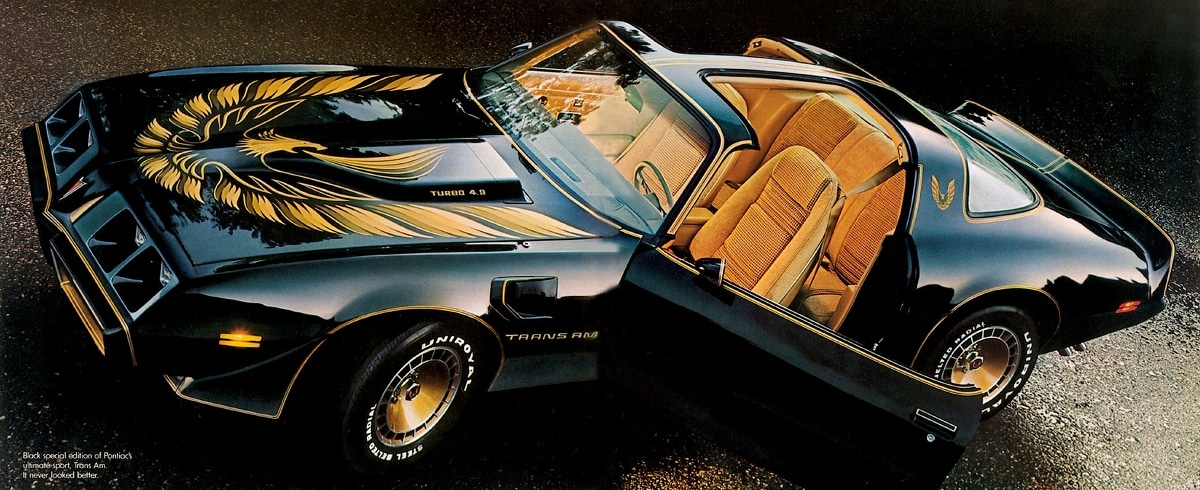
On paper, a turbocharged Trans Am sounded like the future. In reality, the 301-cubic-inch turbo V8 was a wheezy, heat-soaked answer to emissions rules that never lived up to the screaming chicken on the hood.
Lag, detonation worries, and tight underhood packaging meant owners babied them or gave up entirely. Magazine tests were brutal, especially when old 400-powered cars were still fresh in everyone’s mind.
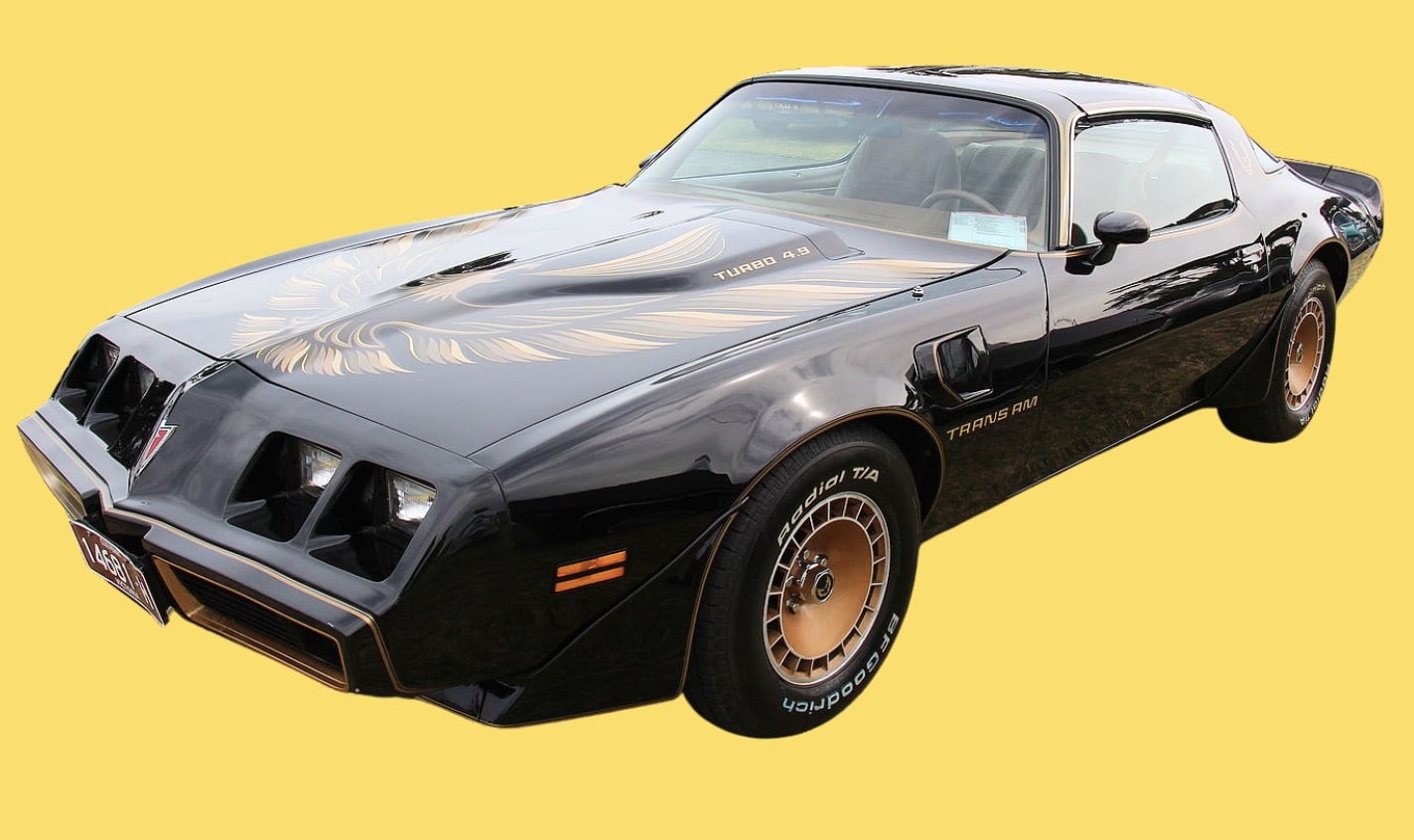
Survivors are scarce, and collectors have started paying real money just to have the oddball turbo version in the garage.
It may not have been the quickest Bandit-era bird, but it’s become one of the most interesting to own.
2. Cadillac Seville – First Generation (1976–1979)
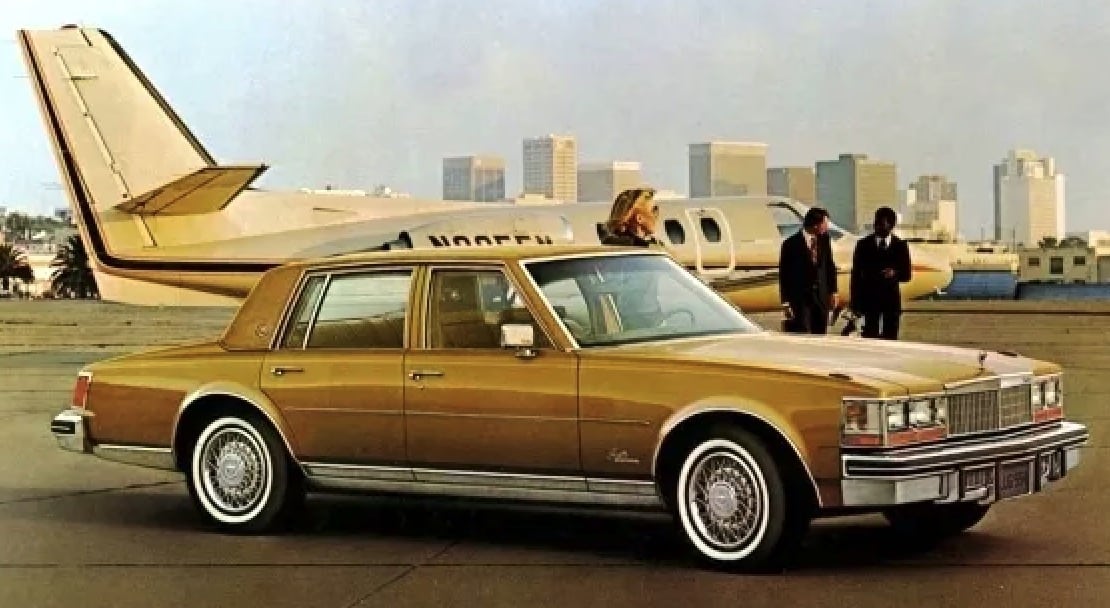
Underneath the sharp suit, the first Seville was basically a Chevy Nova in evening wear. Traditional Cadillac buyers grumbled about the smaller size, the stiffer ride, and the lack of big-block wallow they were used to.
Rust, early fuel-injection gremlins, and the sense that it was “just a dressed-up Chevrolet” kept values down for years. Later diesel versions didn’t help the reputation either, even though they were a different animal.
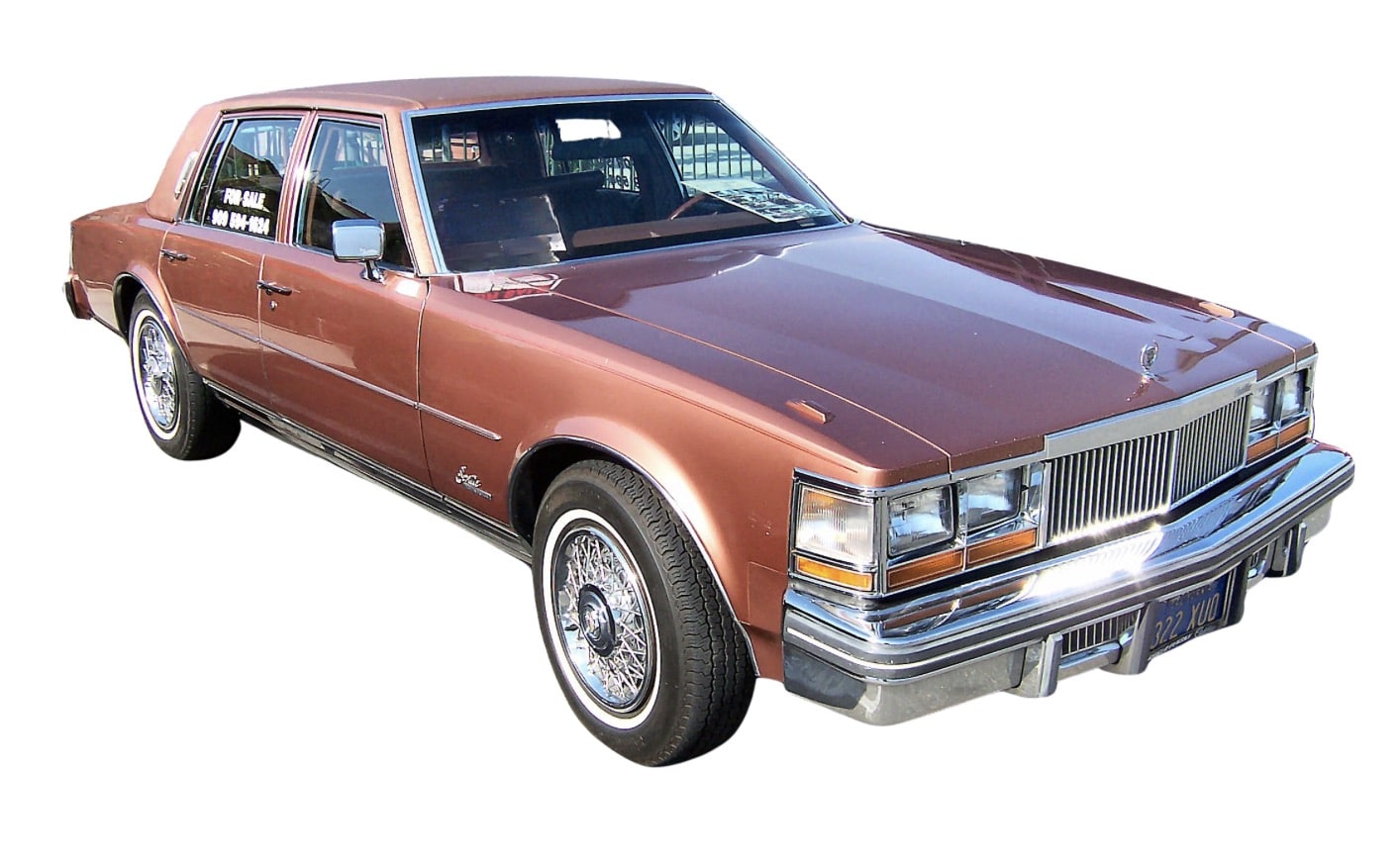
But as the years passed, that crisp, formal styling started to look better and better. The Seville now reads like the first draft of modern American luxury: tidy proportions, clean lines, and just enough chrome.
Nice examples, especially special editions, are finally bringing money from buyers who remember when this “fake Cadillac” suddenly became the coolest one in the showroom.
Speaking of Nova, here’s mine if you want to check it out:
3. Plymouth Road Runner / GTX – Smog-Era Big Blocks (1971–1974)
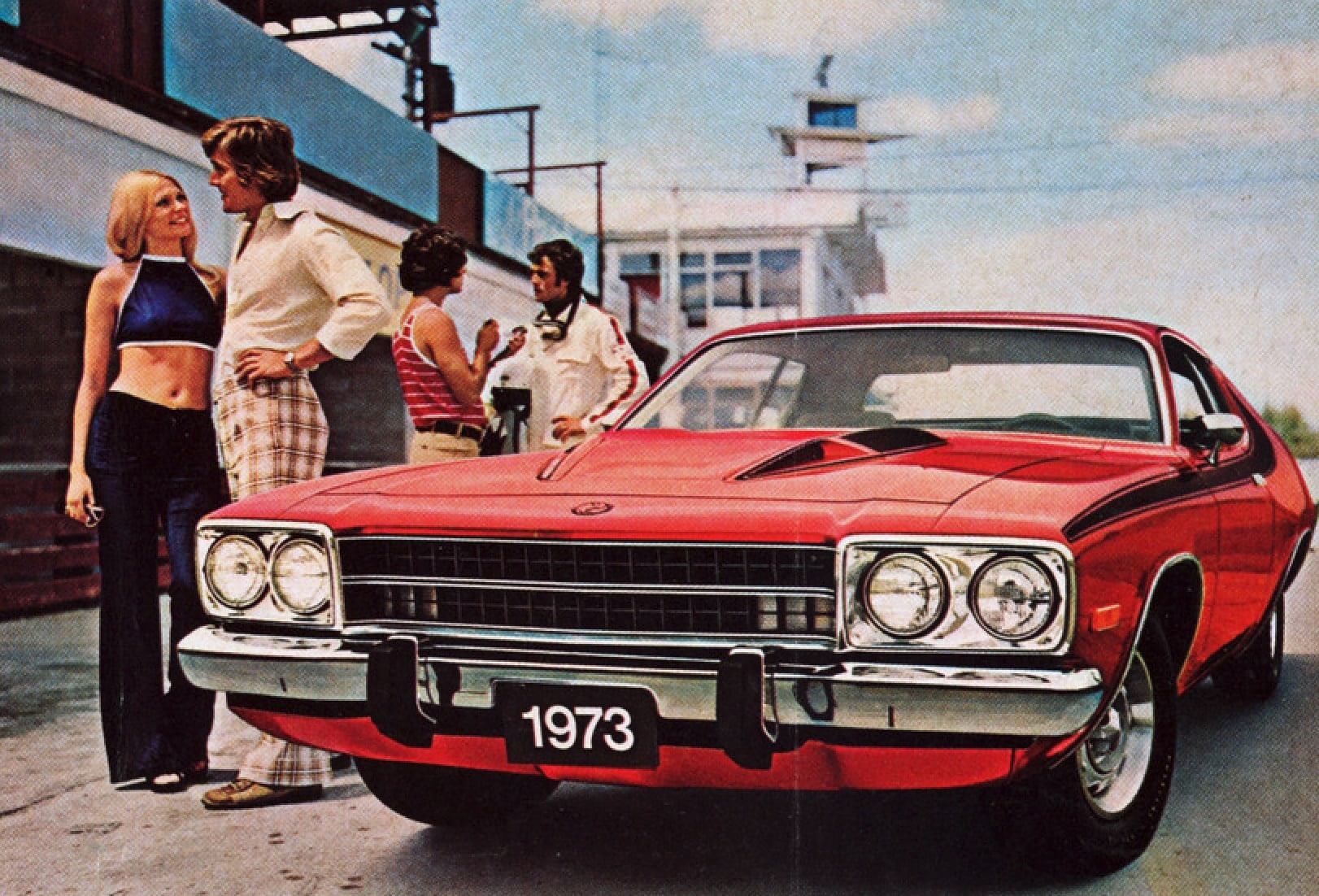
When the early 70s emissions rules hit, Mopar’s bruisers took it on the chin. Overnight, once-feared 440s and 400s were choked down to numbers that embarrassed the badges on the fenders.
Buyers walked away, testers rolled their eyes, and the cars sat on lots longer than anyone at Plymouth wanted to admit. For decades, they lived in the shadow of the legendary 1968–1970 cars.
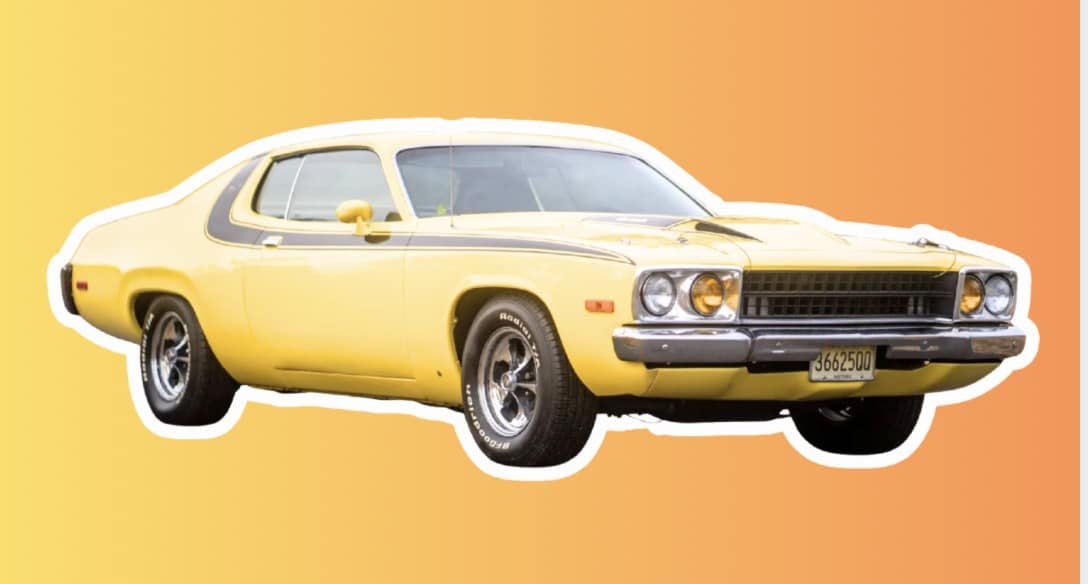
But collectors changed their tune. People started noticing the lines, the stance, the personality. And the fact that most were driven into the dirt makes surviving examples far rarer than the high-horsepower icons.
Today the smog-era Road Runners and GTXs have found their own loyal following; proof that even detuned muscle can grow into something worth chasing.
4. Ford Gran Torino Elite (1974–1976)
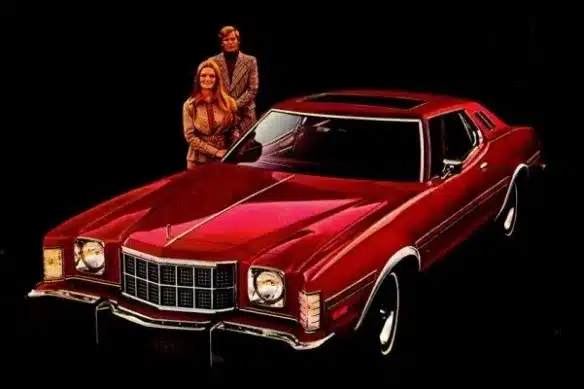
The Elite arrived just as the personal luxury craze began to sag. It looked sharp, but most versions were heavy, soft, and saddled with engines that felt like they were towing an anchor.
Fuel economy stunk, insurance was high, and nobody considered them collectible. Most lived hard suburban lives until rust or neglect took them out of circulation.
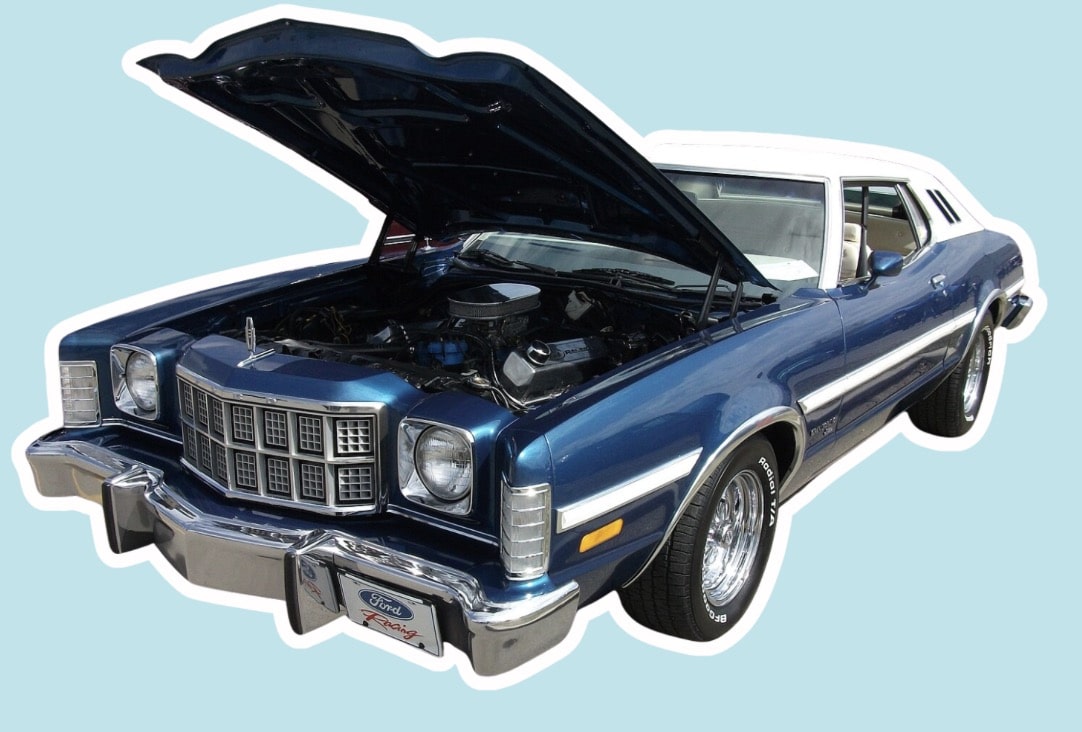
Now, that very same mid-70s styling, the opera windows, the long hood, the confident grille, has come full circle. Clean Elites have become time capsules of an era that vanished fast.
They aren’t muscle cars, but they’ve earned fans who appreciate them for exactly what they are: big, bold, and unmistakably 1970s Ford.
You Might Also Like 👉 15 Classic Cars That Are Shockingly Reliable
5. Corvette California 350 – Low-Power L-82 Era (1980–1982)
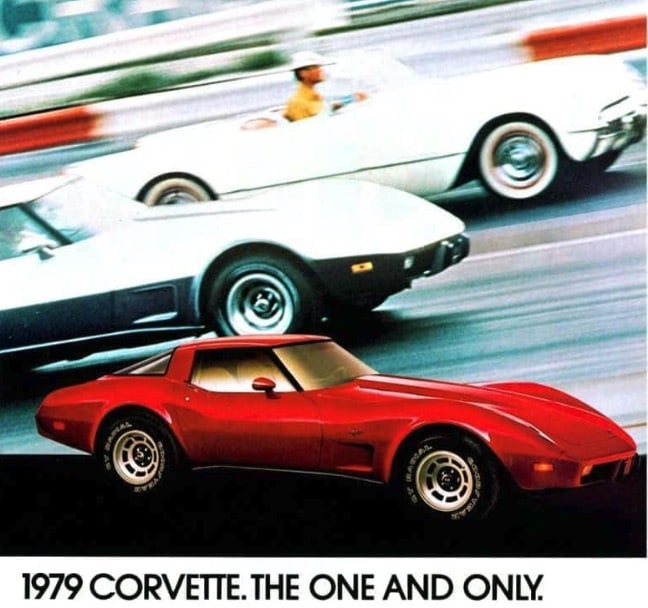
Early 80s Corvettes weren’t the stuff of performance legend. Emissions rules and restrictive equipment neutered horsepower figures to numbers that made sports car fans wince.
California-spec cars got it even worse: tighter regulations, lower output, and reputation-killing road tests. Enthusiasts avoided them like leftovers in the fridge.
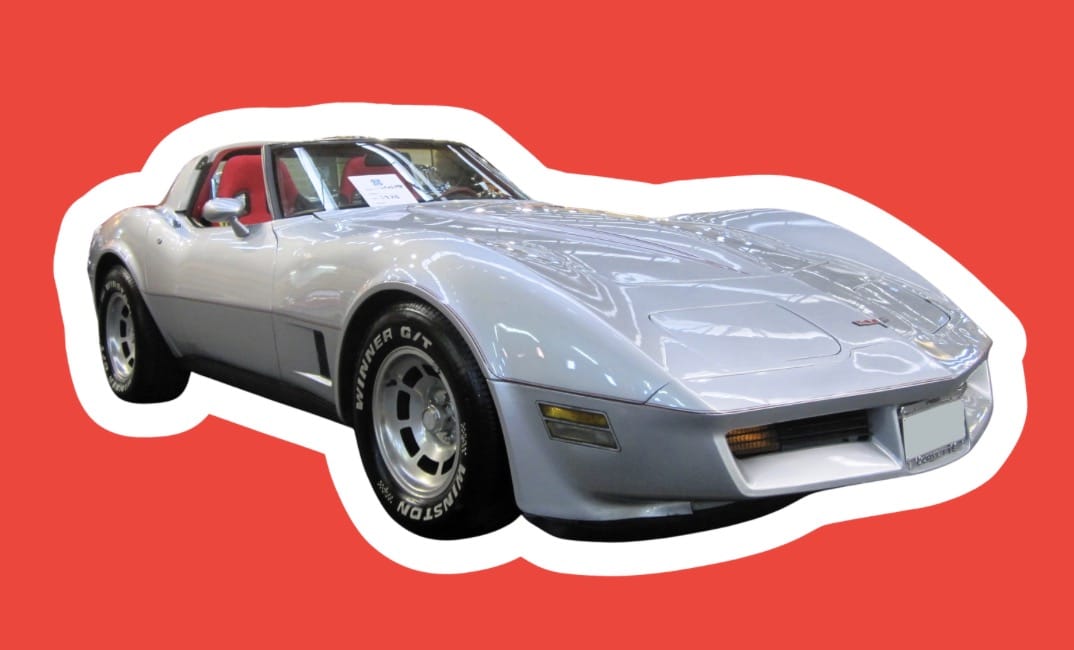
But time works magic. These cars now represent the final chapter of the C3 era, and collectors chasing complete Corvette timelines want them. Their rarity and quirky specs have given them a bump.
For a long-dismissed version of America’s sports car, prices today would surprise anyone who tested one in 1980.
Imports Nobody Wanted… Until Now
1. Toyota Celica Supra Mk1 (1978–1981)
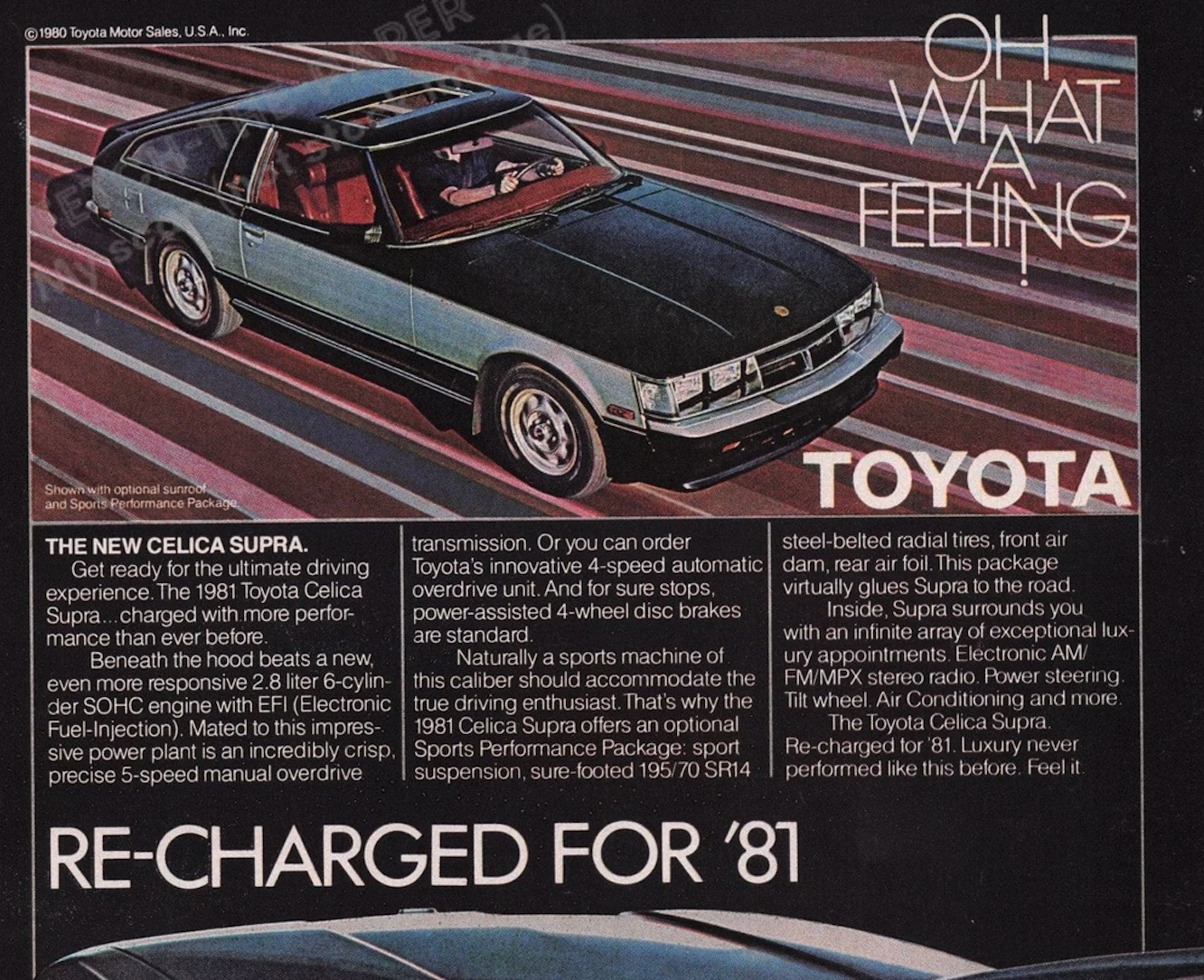
When the first Celica Supra landed, it wasn’t exactly a world-beater. Heavier and softer than the regular Celica, with more grand-touring comfort than real bite, it struck a lot of testers as a compromise looking for an audience.
The straight-six was smooth but not thrilling, and the styling was still very much “Celica with fillers and trim.” For years, if you wanted a cool old Supra, you skipped these and went straight to the later 1980s cars.
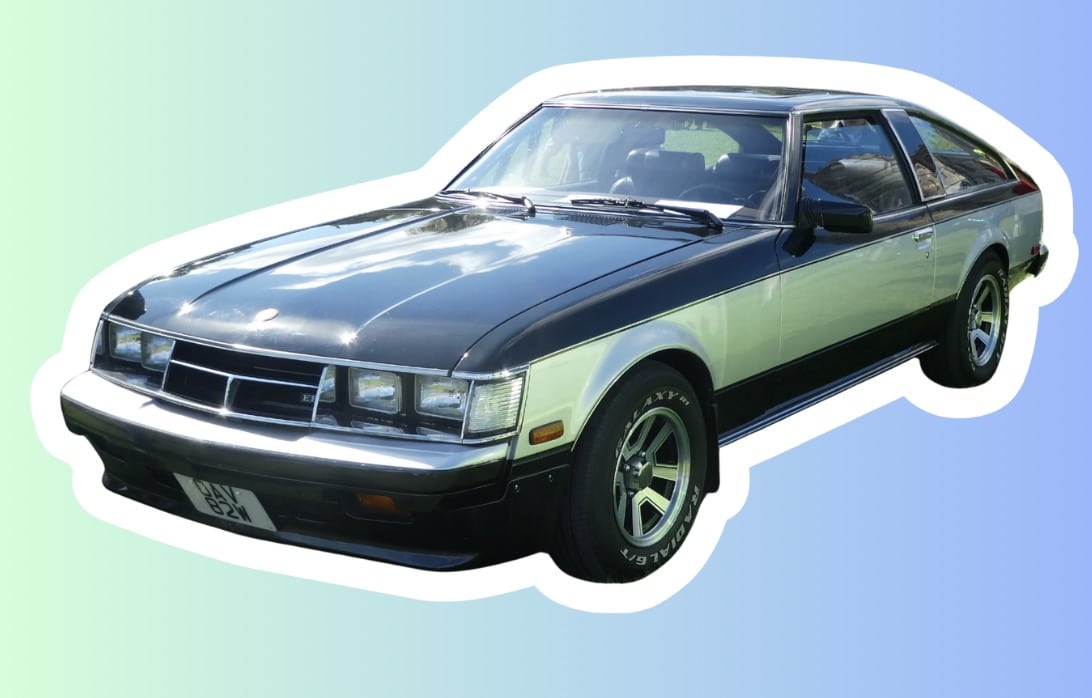
Now the market has caught up. People are remembering these as the bridge between simple Japanese coupes and the serious GT machines that came later. Clean Mk1s are rare, and they carry that late-70s Japanese charm you just can’t fake.
What once felt like a soft starter kit Supra is finally being treated like the collectible it quietly grew into.
You Might Also Like 👉 15 Of The Worst Engines to Sit Between Two Fenders
2. Porsche 924 (Late 1970s–Early 1980s)
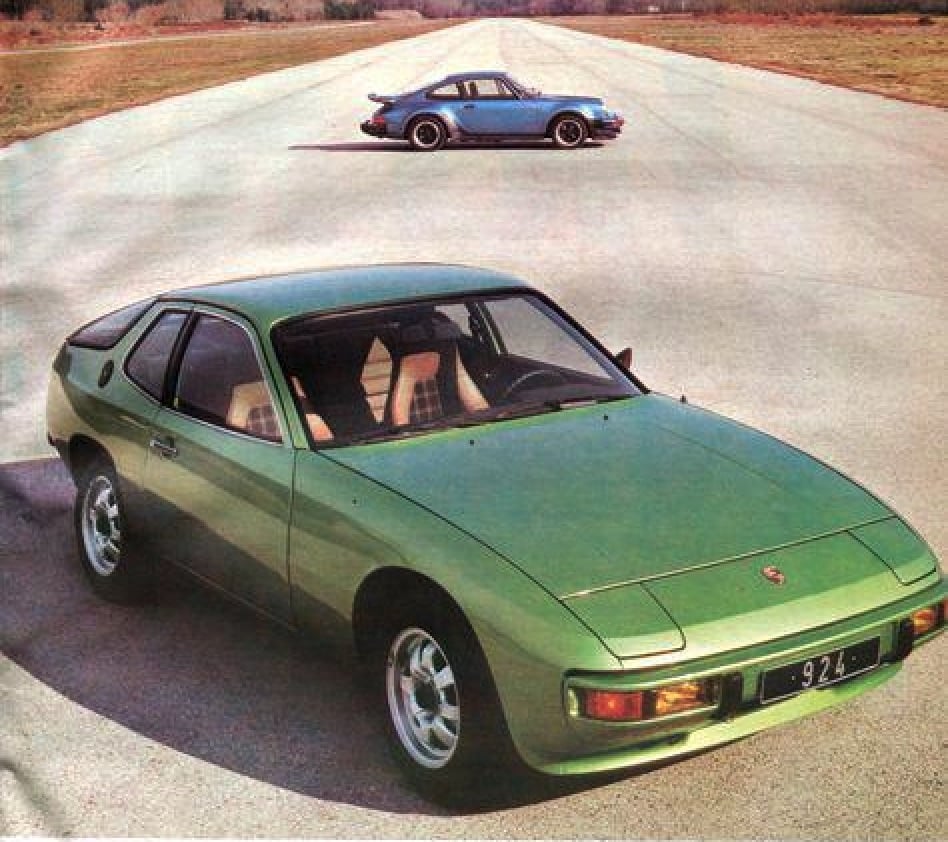
Purists sneered at the 924 from day one. An Audi-based four-cylinder up front, transaxle in the rear, and modest performance made it feel like the “starter Porsche” nobody bragged about owning.
Magazine writers picked on the lack of power, and for years these cars languished at the very bottom of the Porsche price ladder. Deferred maintenance and neglect did more damage than any design flaw.
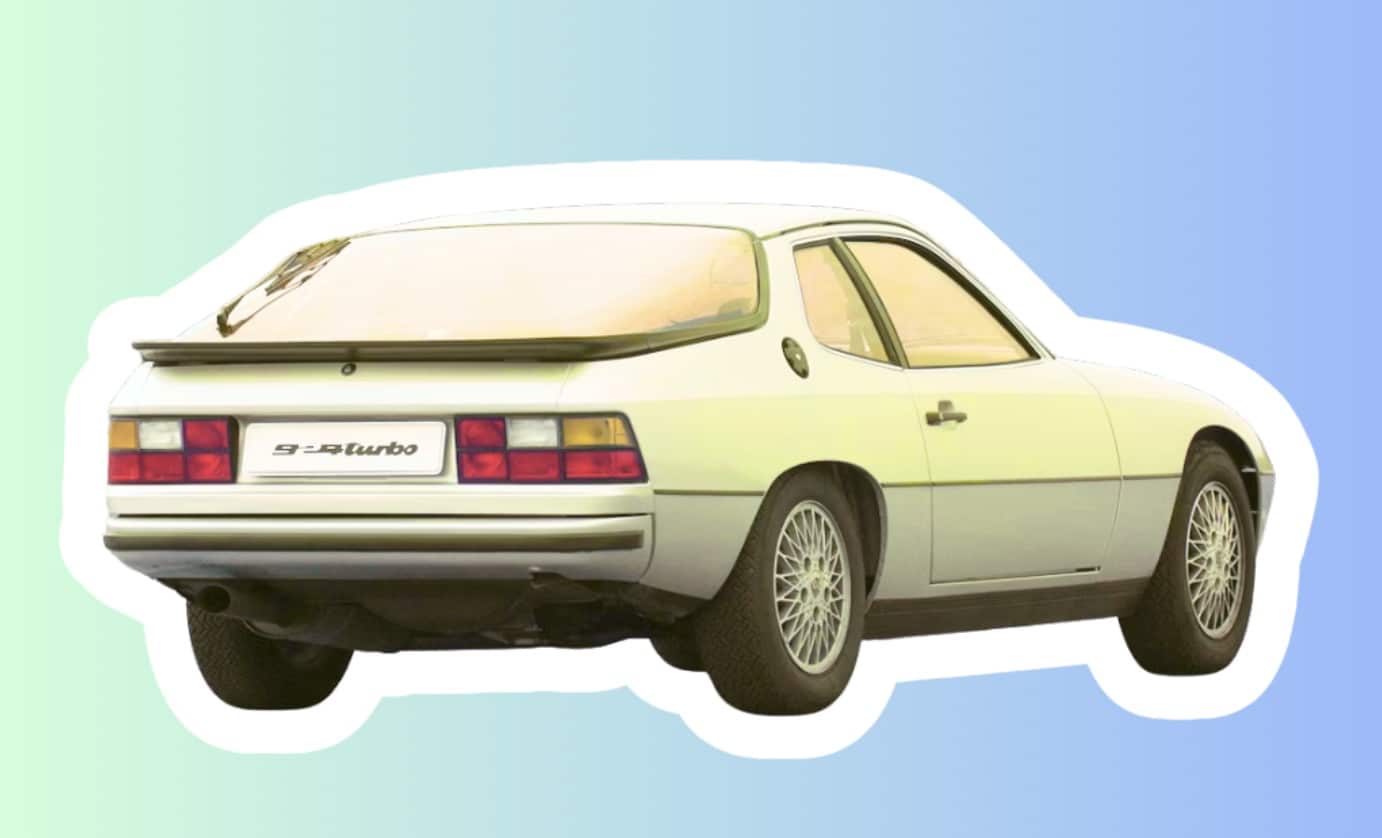
But as 911s, 944s, and everything else with a crest climbed out of reach, people took another look. The 924’s clean lines, balanced chassis, and old-school driving feel suddenly made sense again.
Well-kept examples now bring real money, especially special editions, and the same car that once got you laughed at in the club parking lot is finally getting a nod of respect.
3. Datsun 200SX / 280ZX 2+2 (Late 1970s–Early 1980s)
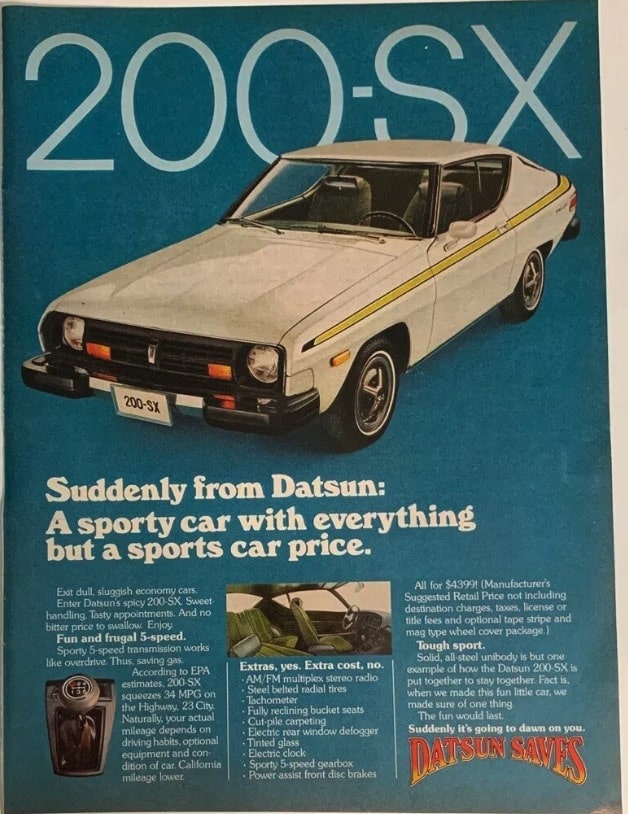
Nissan stretched its sporty coupes into softer, heavier touring cars just as enthusiasts were craving sharper edges. The 2+2 models in particular took heat for their proportions and extra weight.
They weren’t as nimble as the early Z-cars, and styling critics weren’t shy about calling them bloated. Prices stayed rock-bottom for decades.
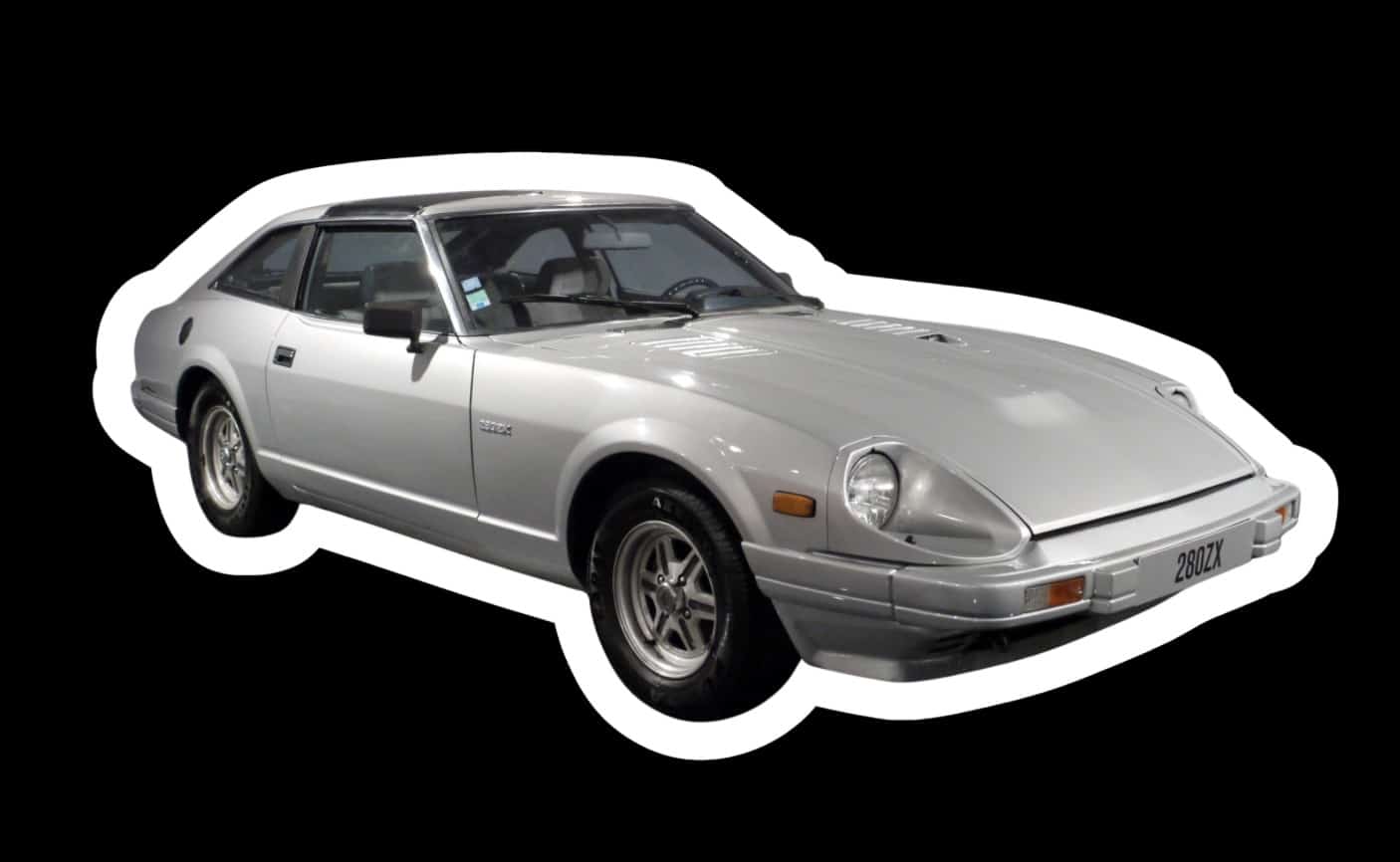
Today, they’re loved for the exact things people once mocked: long-roof practicality, smooth drivetrains, and that unmistakable late-70s Japanese vibe.
Clean examples have finally started moving from “cheap fun” to “seriously collectible.”
4. Renault Fuego (1982–1986)
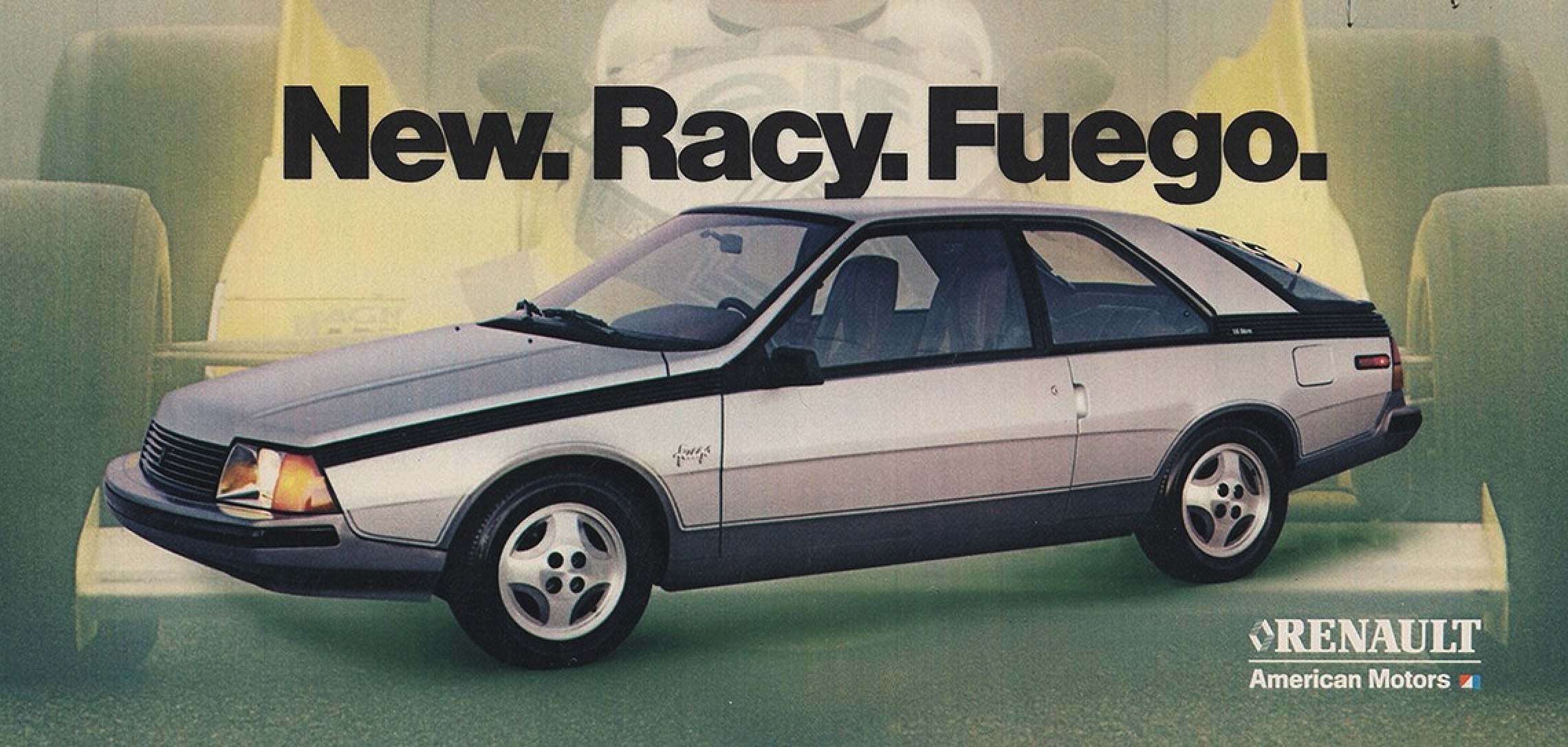
The Fuego arrived with sleek styling and European flair, but American buyers weren’t impressed. Electrical issues, parts shortages, and lukewarm performance made it a tough sell on this side of the Atlantic.
Most were driven until they quit and then quietly scrapped. Reliability jokes stuck harder than any marketing highlight.
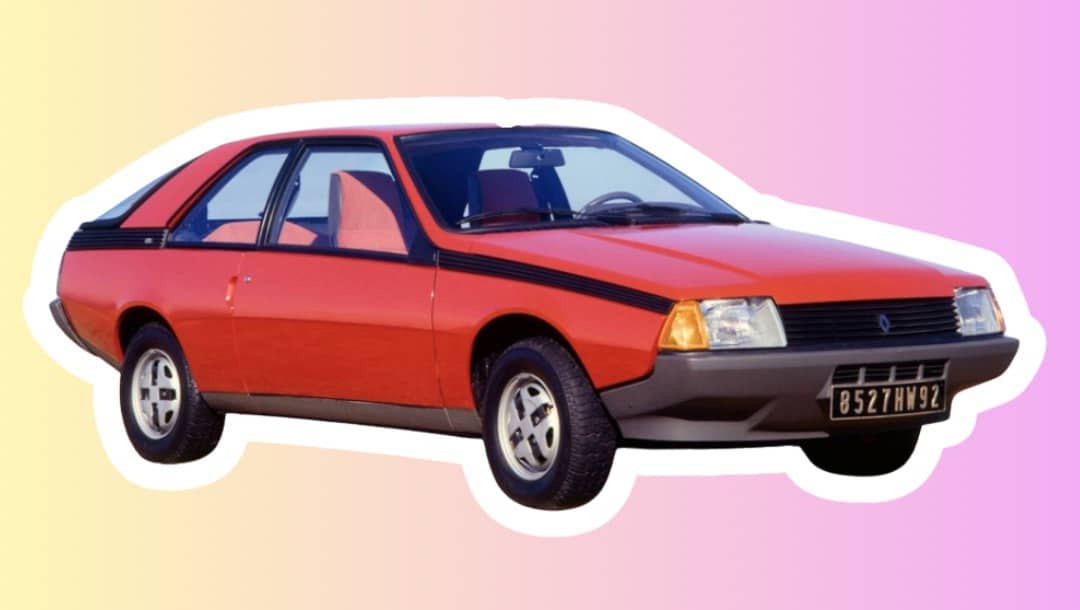
Today the Fuego’s rarity, shape, and pure 80s personality have flipped its fortunes. People who dismissed them new now smile when they see one at a show.
A survivor Fuego is a guaranteed conversation starter, mostly because nobody expects to see one anymore.
Domestic Oddballs & Badge-Engineered Survivors
1. Ford Pinto – Cruising Wagon (1971–1977)
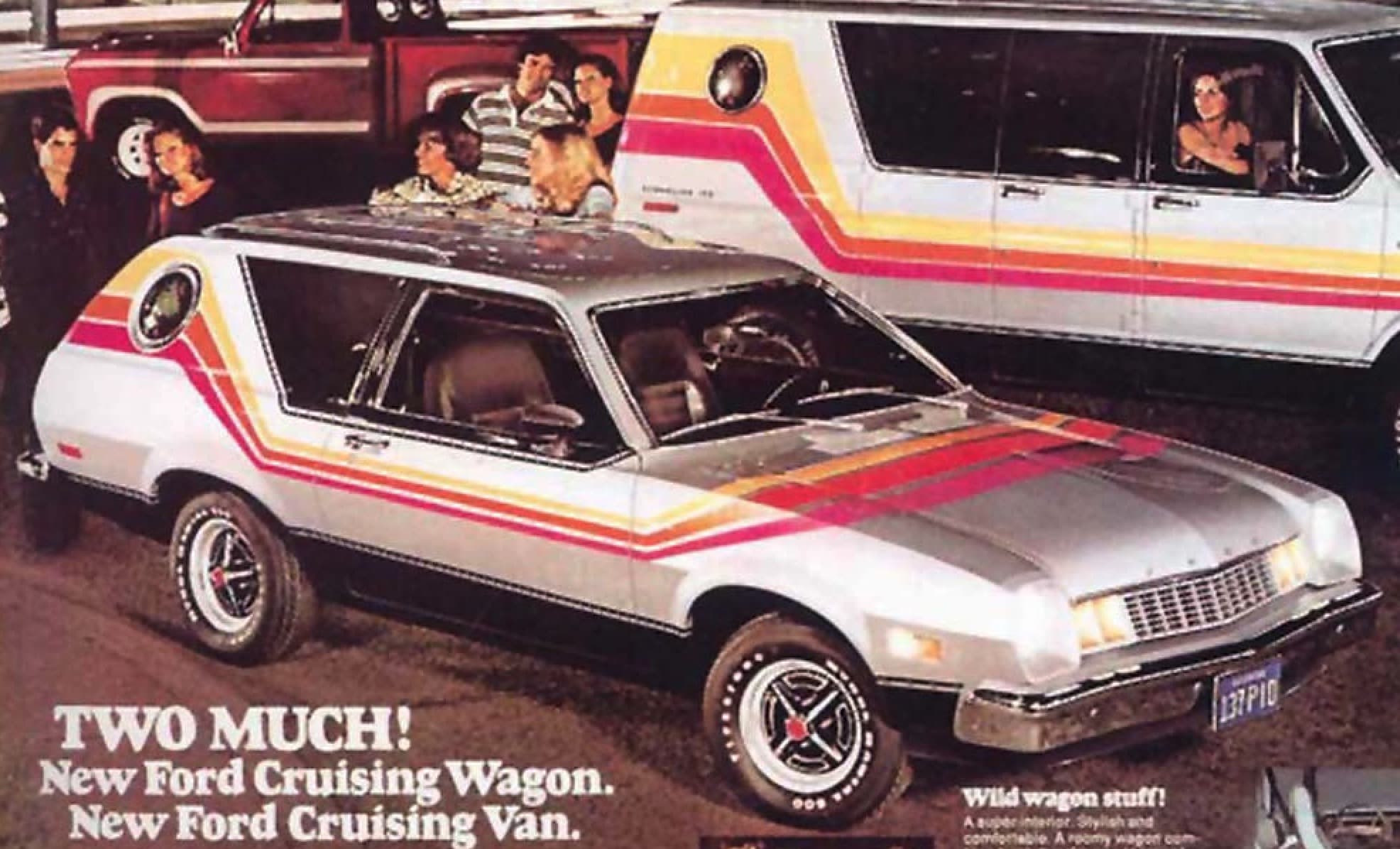
The Pinto spent years as the punching bag of American car culture. Fire jokes, cheap interiors, questionable quality; it all piled on until the car became a cultural meme.
But the Cruising Wagon, with its round porthole windows and panel-delivery styling, has built a following all its own. Most were beaten to death by teenagers or rusted beyond repair.
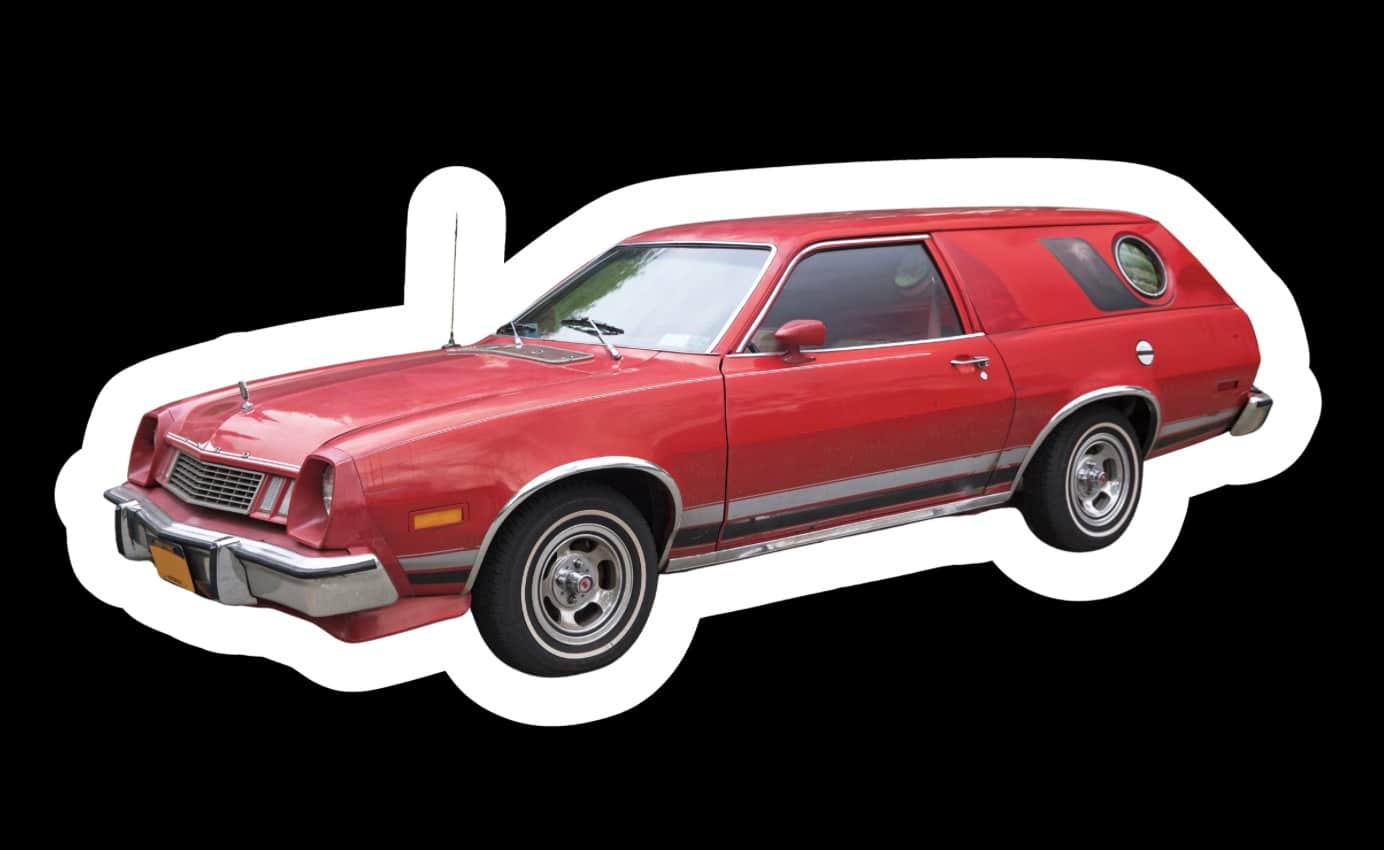
Now, survivors are rare enough that interest has shifted from irony to genuine enthusiasm. Nostalgia wins every time.
A clean Cruising Wagon today pulls real money from people who want the quirkiest slice of 1970s Americana they can find.
2. Dodge Aspen / Plymouth Volaré – F-Body (1976–1980)
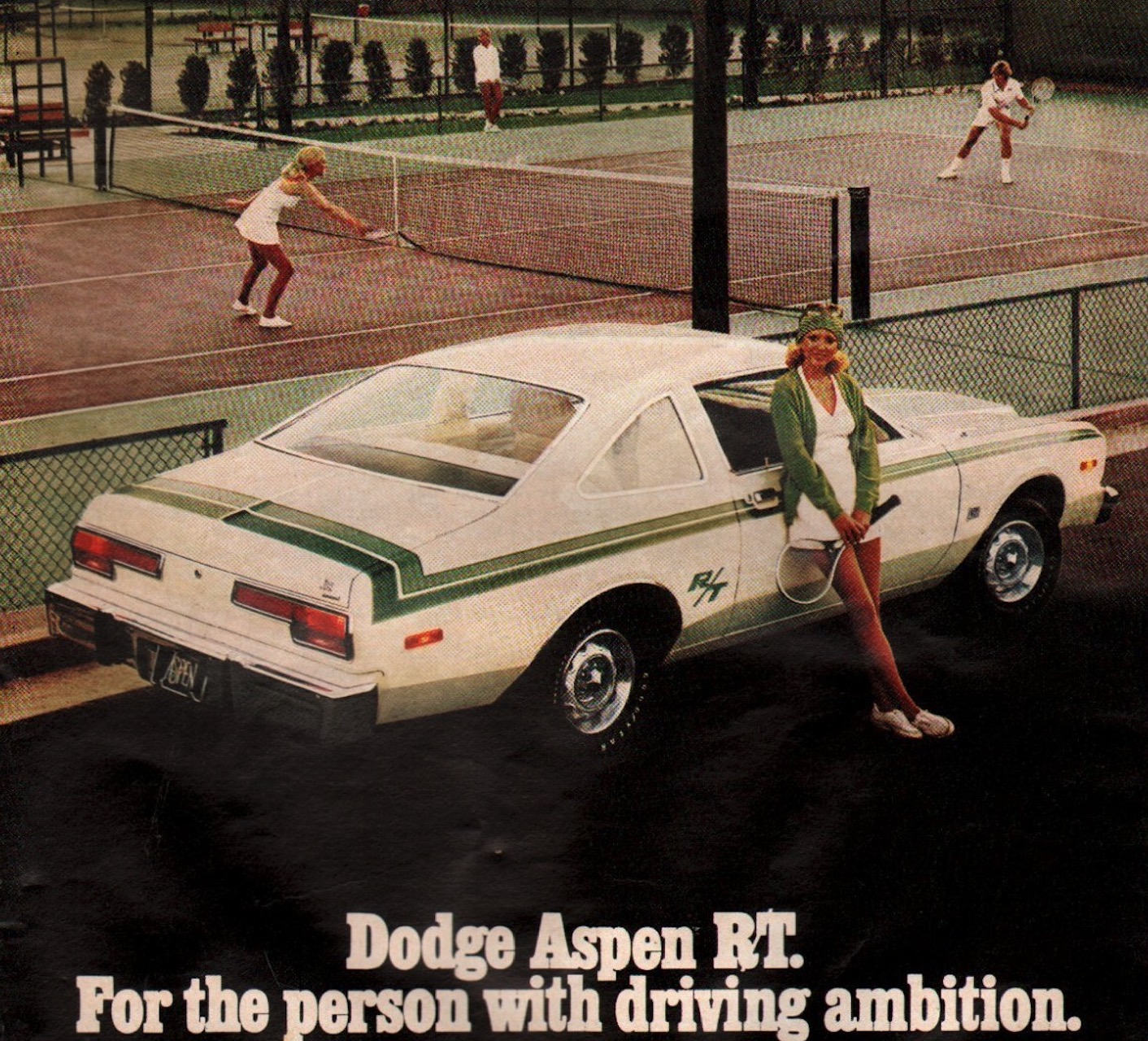
When these F-bodies were new, they were plagued by recalls, rust, and inconsistent build quality. The idea was solid, a modern compact with room and comfort, but execution didn’t live up to the pitch.
Most ended their days as cheap transportation, police beaters, or forgotten driveway ornaments. Nobody expected them to survive long enough to become collectible.
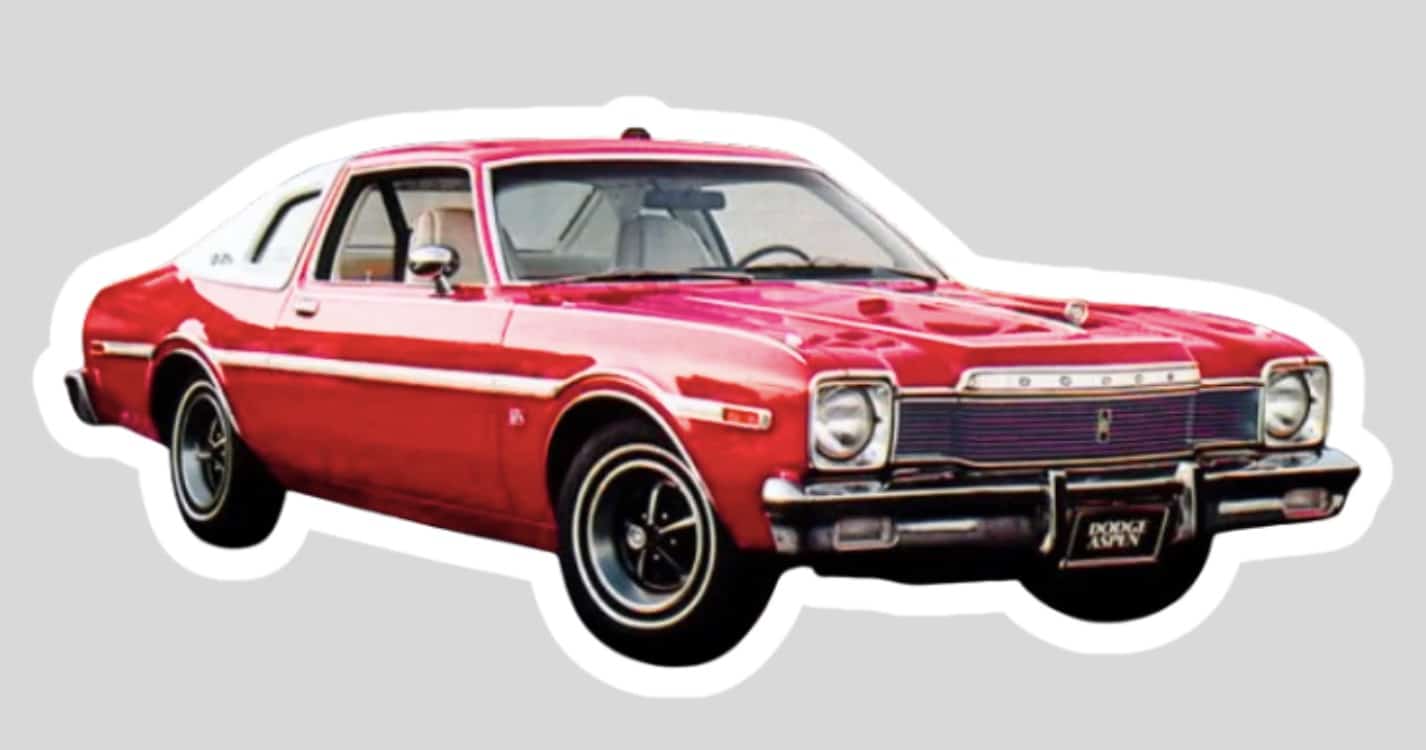
But now, their rarity is exactly the draw. Clean examples, especially with period colors and vinyl tops, look like rolling postcards of the late 1970s.
They aren’t muscle cars, but nostalgia has pushed prices higher than anyone would have predicted twenty years ago.
Related: “The Million Mile Club” Cars and Trucks That Just Won’t Quit“
3. Pontiac LeMans – Daewoo Era (1988–1992)
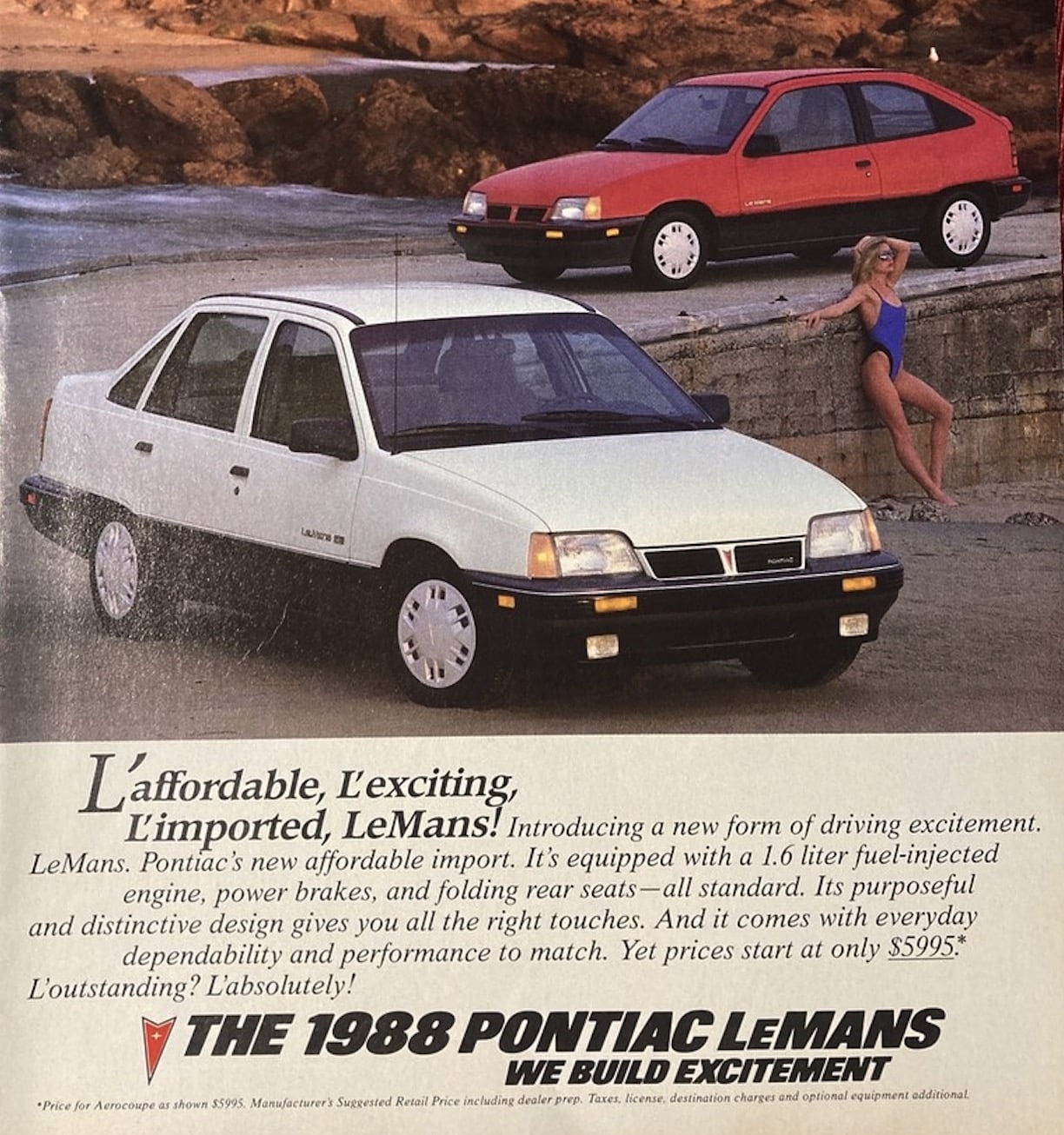
Few nameplates fell farther than the LeMans. Americans remembered the classic 60s Pontiacs; what they got instead was a rebadged Daewoo economy car that struggled to meet expectations in every category.
Sluggish performance, cheap materials, and hard-to-source parts left most owners frustrated. The cars vanished quickly from the roads as they aged out of service.
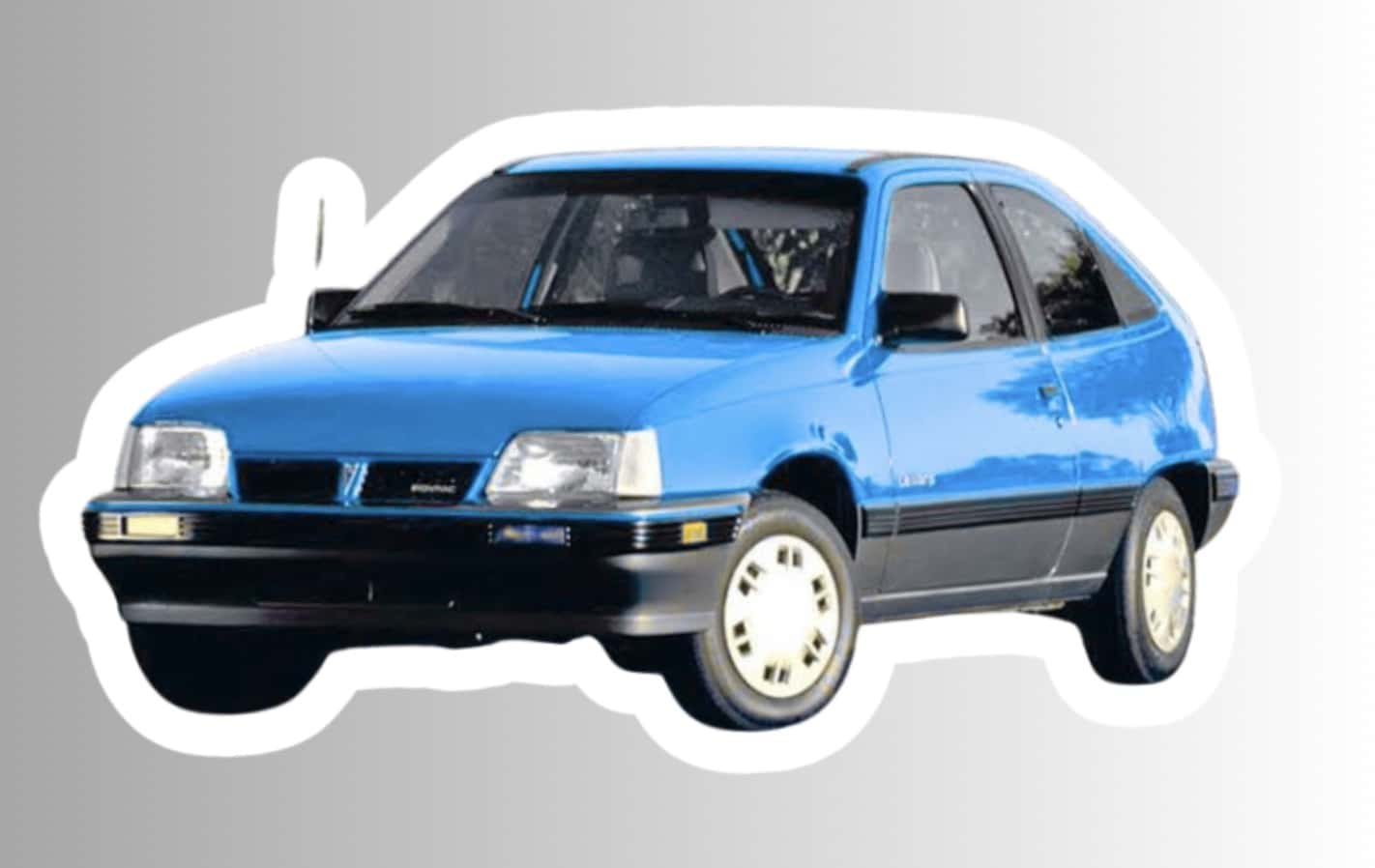
Today, that disappearance is exactly why collectors perk up when one surfaces. Nostalgia for oddball 80s imports (and anything wearing a once-proud badge) has created a surprising cult following.
Find one that still runs and you’ve got a unicorn from the era of badge engineering gone sideways.
4. Chevy Chevette Scooter (1976–1978)
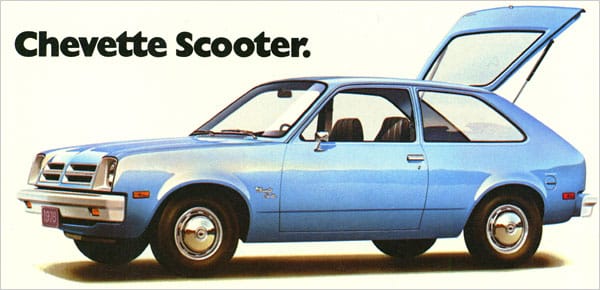
The Chevette was built to be cheap and nothing else. The Scooter trim took that to extremes: bare floors, no frills, and performance that made even economy-car testers chuckle.
They were appliances, meant to be used up and thrown away. And most were. Finding one with intact upholstery is rare, finding one without major rust is miraculous.
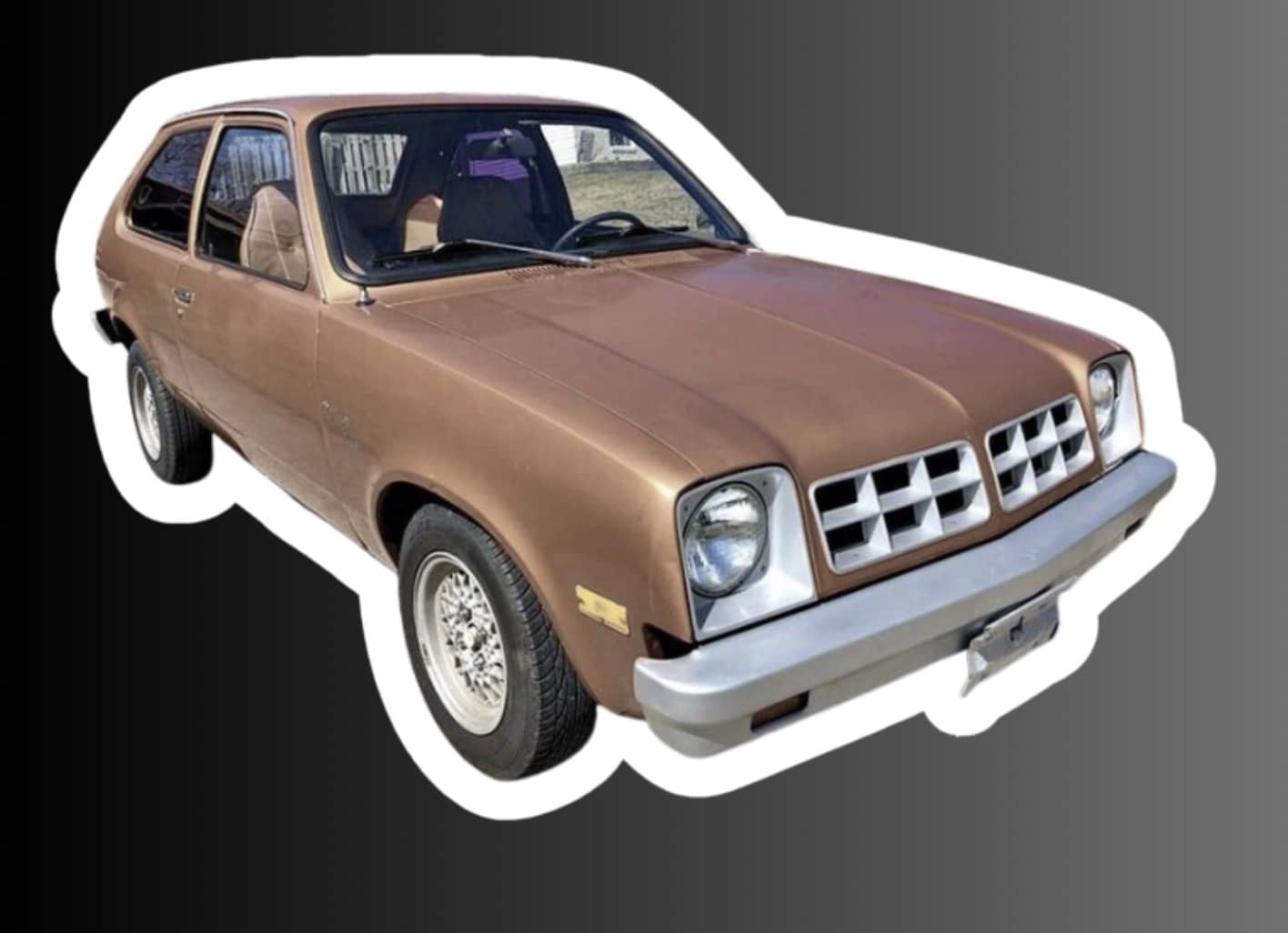
That rarity has flipped the script. Collectors and nostalgia hunters love the simplicity, the honesty, and the “I haven’t seen one of those in decades” factor.
For a car nobody bragged about new, the Chevette Scooter now pulls surprising money from people who want the purest slice of 70s economy-car history.
Forgotten Luxury & Unexpected Collectibles
1. Buick Regal – Non-Turbo G-Body (1982–1987)
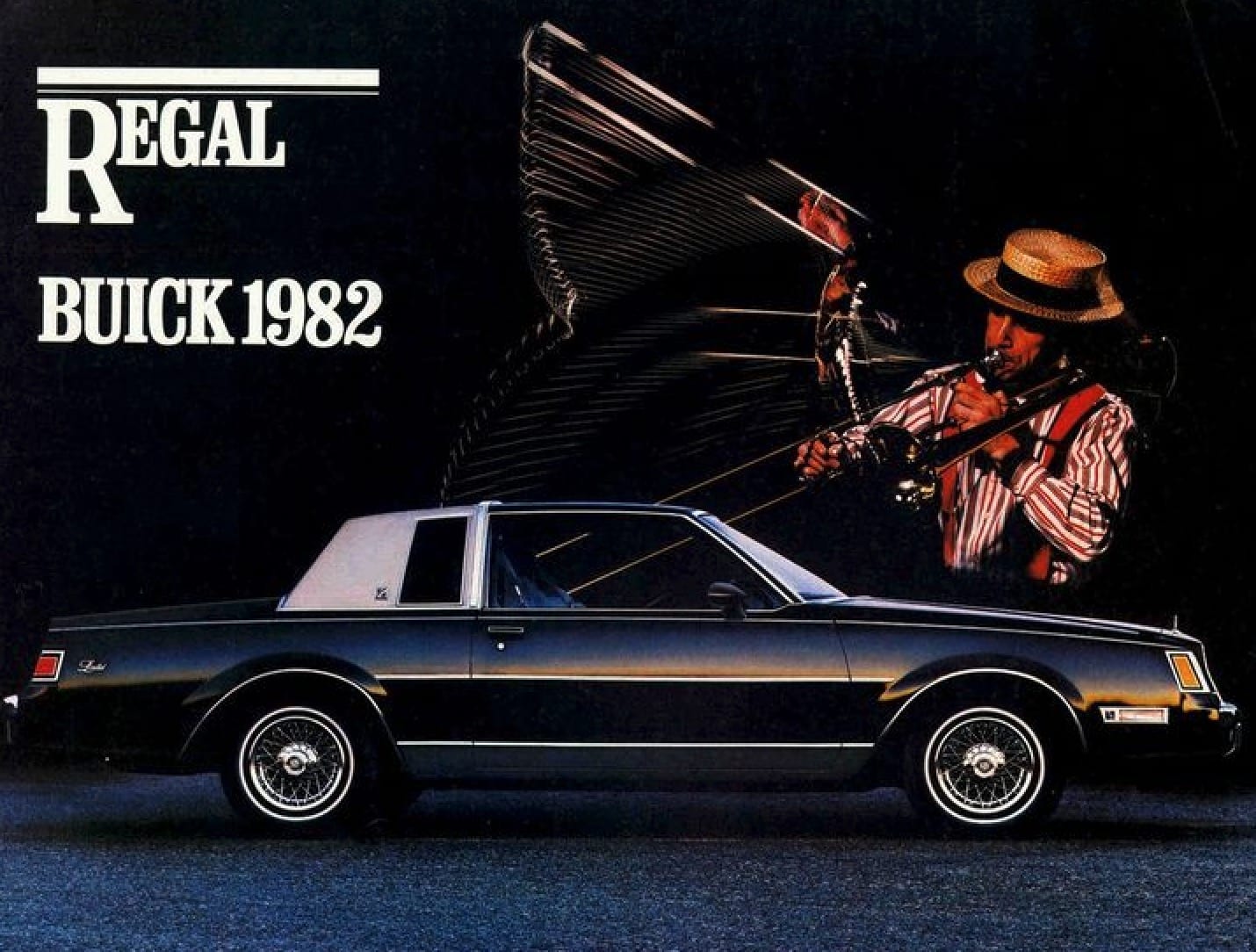
Everyone remembers the Grand National and GNX. Almost nobody cared about the regular Regals with their mild V6s and sleepy handling. They were comfortable commuters, not halo cars.
Because of that, most were driven into the ground or modified into something they were never meant to be. Stock survivors became surprisingly scarce.
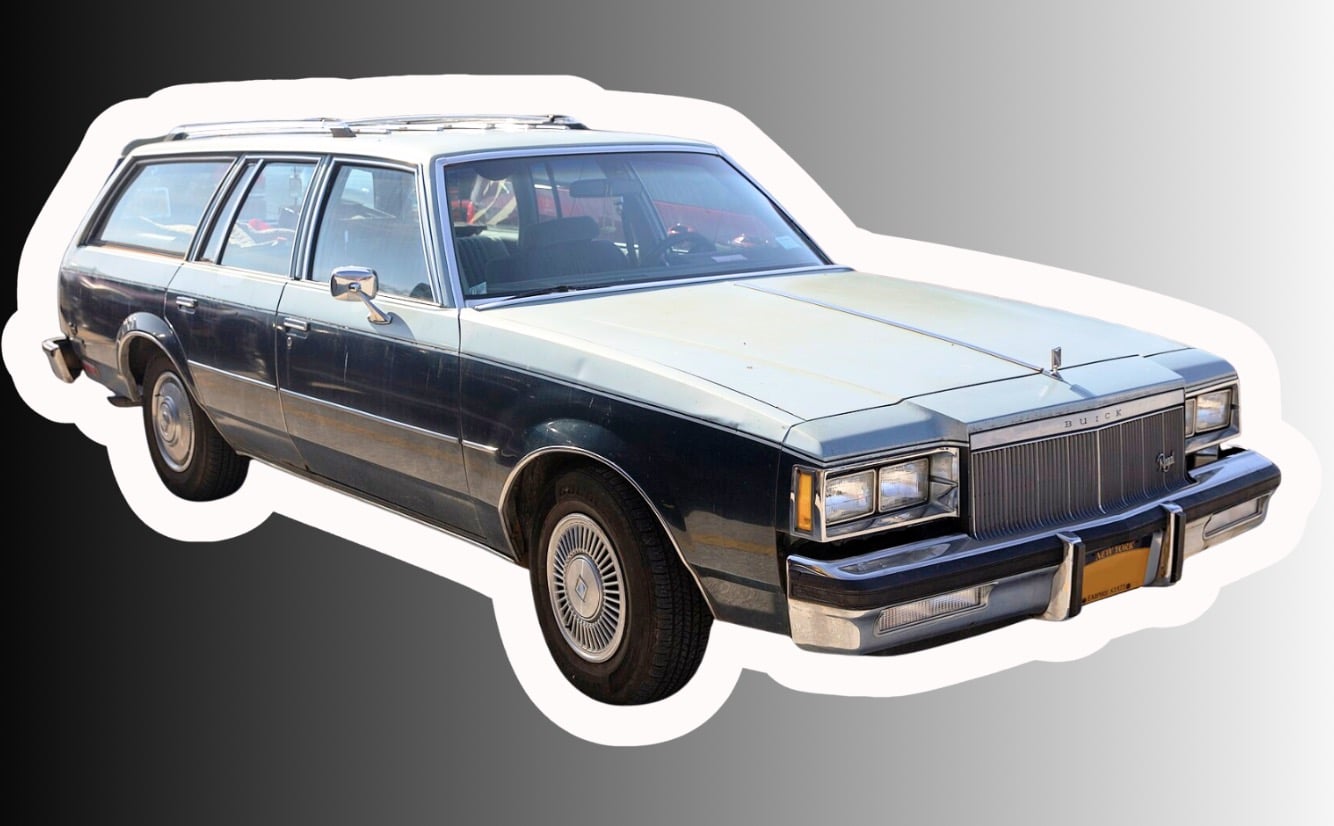
Then nostalgia for G-bodies hit hard. The shape, the stance, the cruise-night vibe; it all added up, and even the “boring” Regals started catching bids from people who wanted the look without GNX prices.
They might not snap your neck, but they’ve turned into desirable cruisers with real collector interest.
2. Oldsmobile Cutlass Salon / Supreme (Late 1970s–1980s)
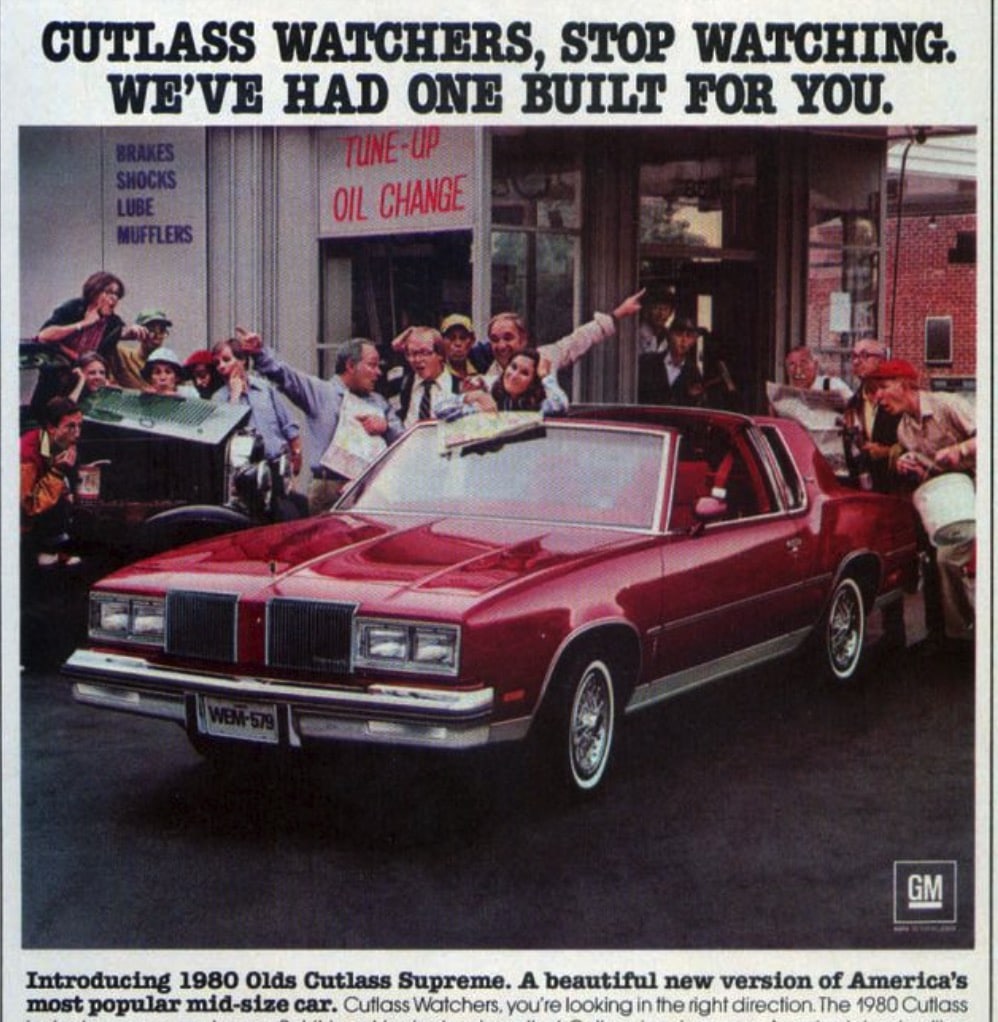
For years, these cars were everywhere: family haulers, commuter beaters, and high-mileage trades that nobody thought twice about. Most came with modest V6s or mild V8s and lived forgettable lives.
Because they were so common, almost nobody saved clean ones. Rust, hard use, and neglect thinned the herd faster than anyone noticed.
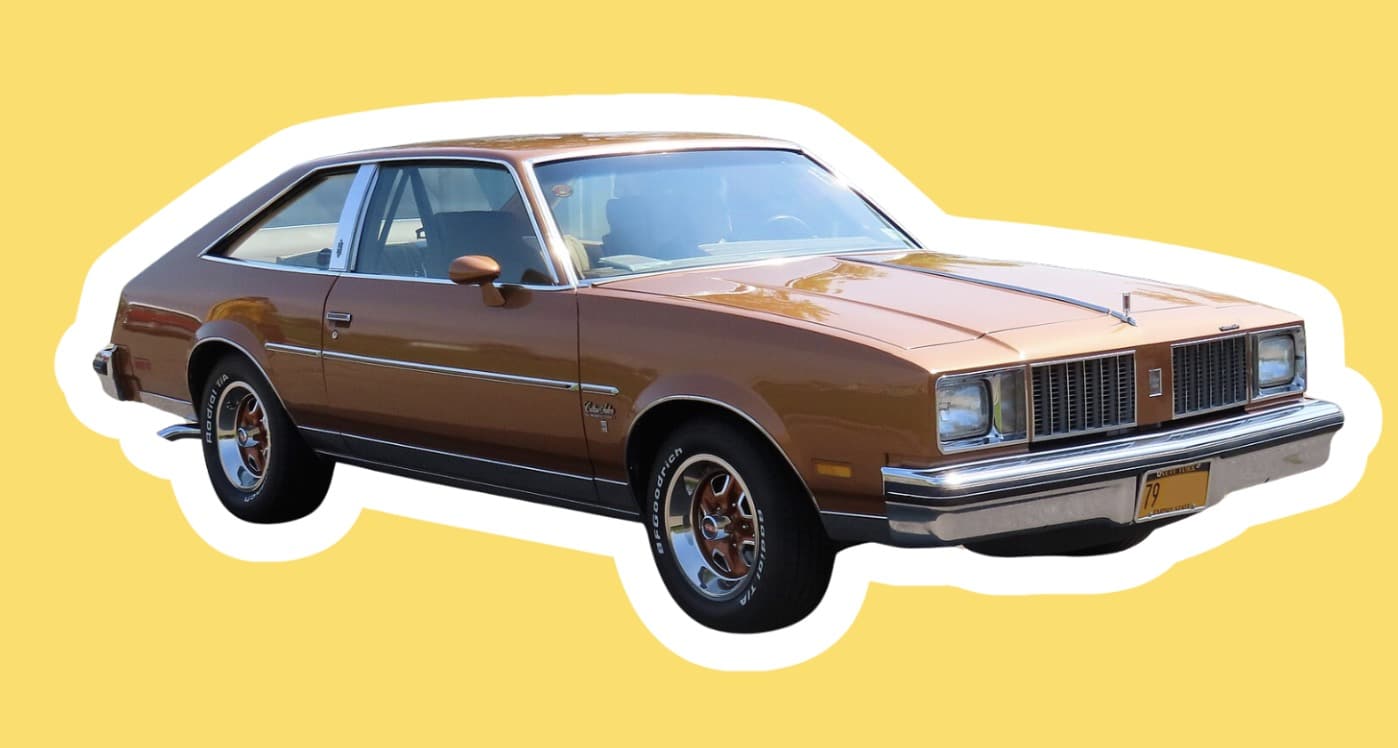
Now that G-bodies are collectible, people are rediscovering the Cutlass variants that made the platform famous. The styling, comfort, and sheer 1980s charm have driven values upward.
It’s the classic “you don’t know what you’ve got until it’s gone” car, and most of them are gone.
3. Buick Roadmaster Estate Wagon (1991–1996)
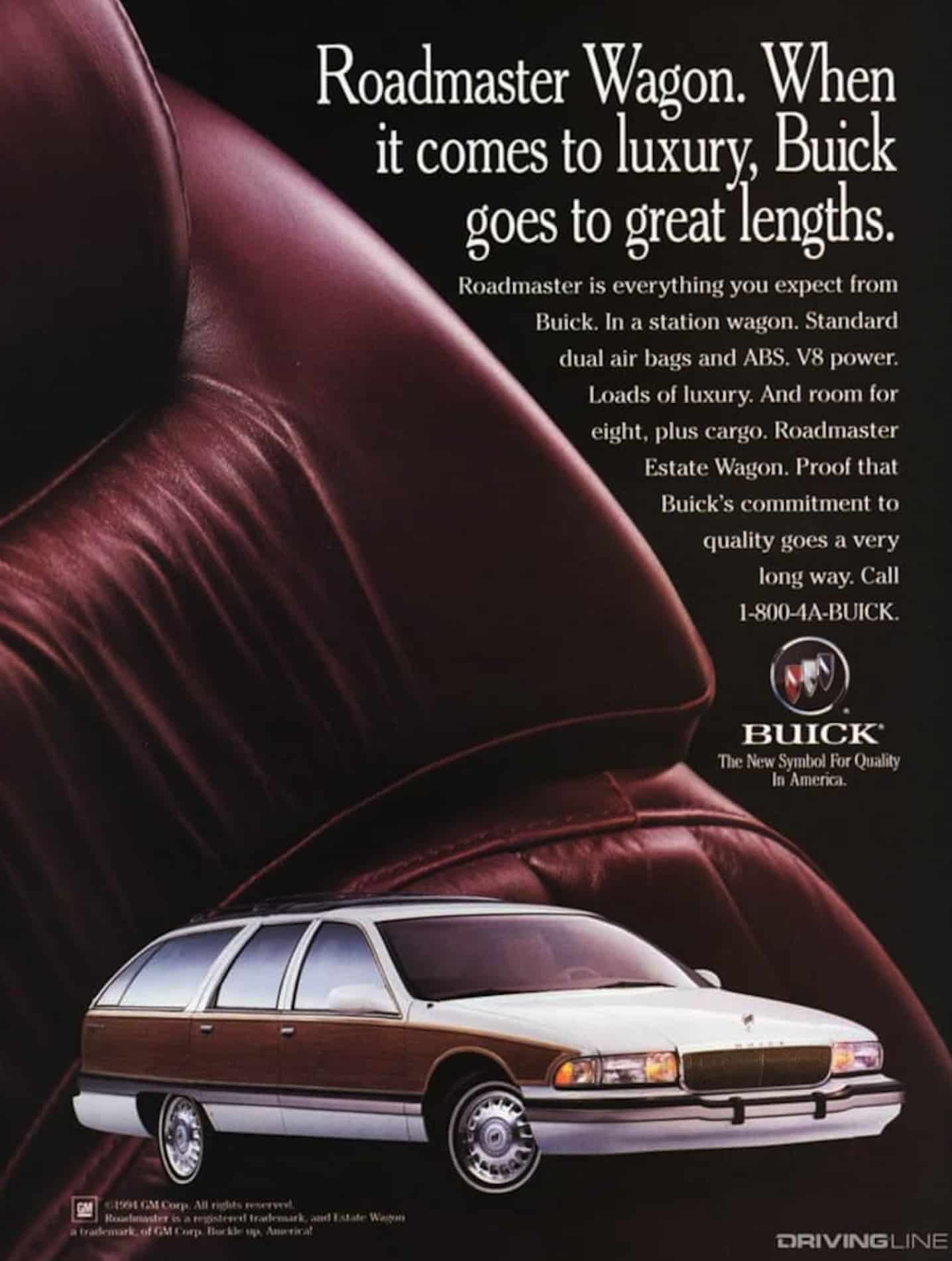
When new, the Roadmaster wagon was considered a dinosaur. Huge, thirsty, wood-sided, and about as sporty as a shopping mall. Minivans were taking over, and SUVs weren’t far behind.
But the LT1 V8, rear-wheel drive, and stretched-out comfort gave these big wagons a personality that escaped notice at the time. Families used them hard, and most ended up worn out or rusty.
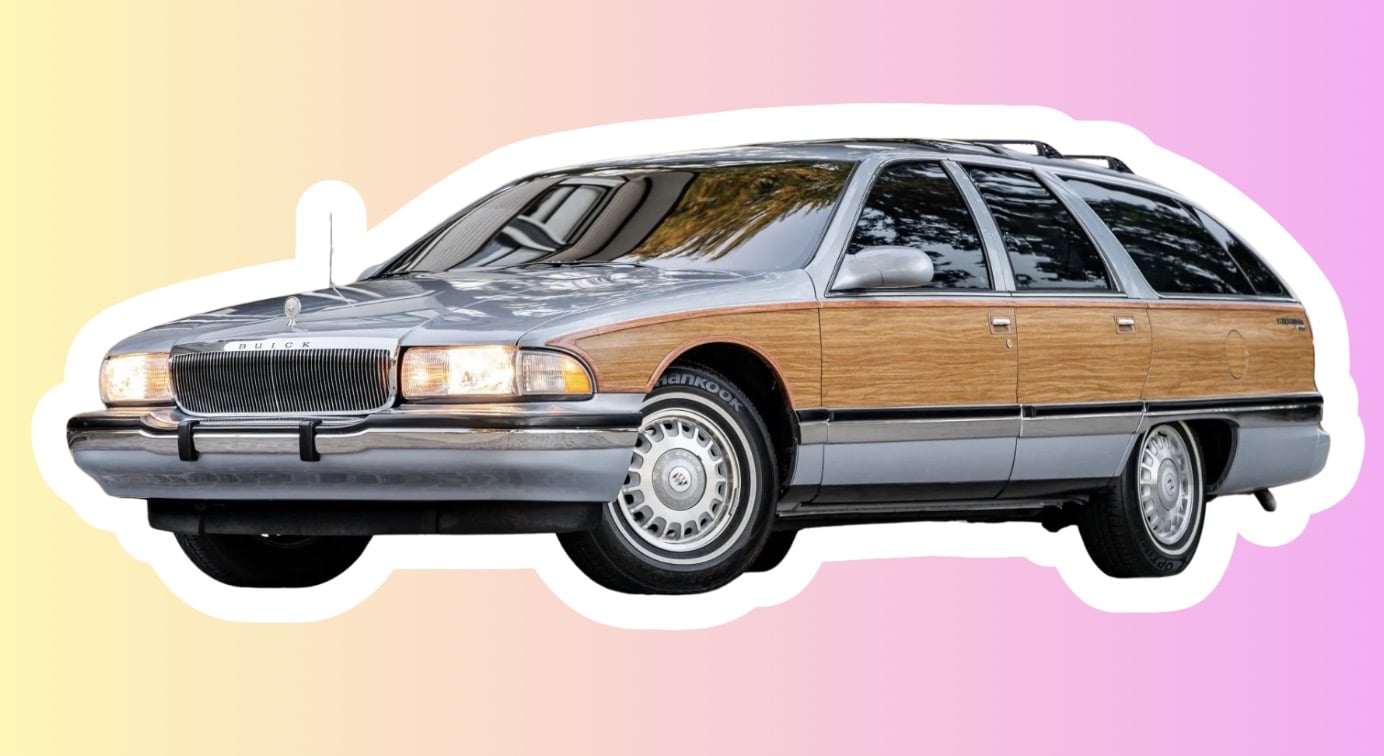
Now the survivors have become cult favorites. Enthusiasts love their sleeper potential, collectors love their rarity, and suburban dads want the car they wish they’d never sold.
A clean Roadmaster today is practically its own conversation starter…. and priced accordingly.
Turbos, Experiments & Cars Ahead of Their Audience
1. Ford Mustang Turbo Models – SVO & Early Turbos (1979–1993)
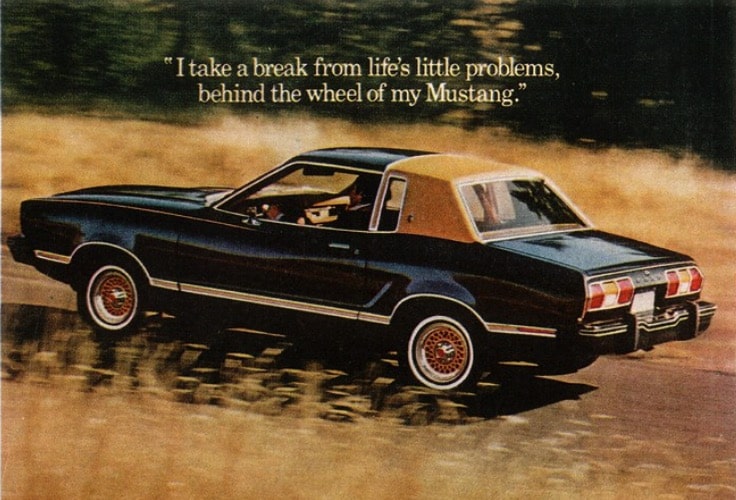
Before turbo fours became common, Ford tried to sell enthusiasts on a boosted Mustang. Early versions were temperamental, with head gasket issues and tuning quirks that scared off buyers.
The SVO fixed most of the problems, but the price tag and odd styling touches made it a tough sell next to cheaper V8 GTs. For years, these cars languished at the bottom of Mustang classifieds.
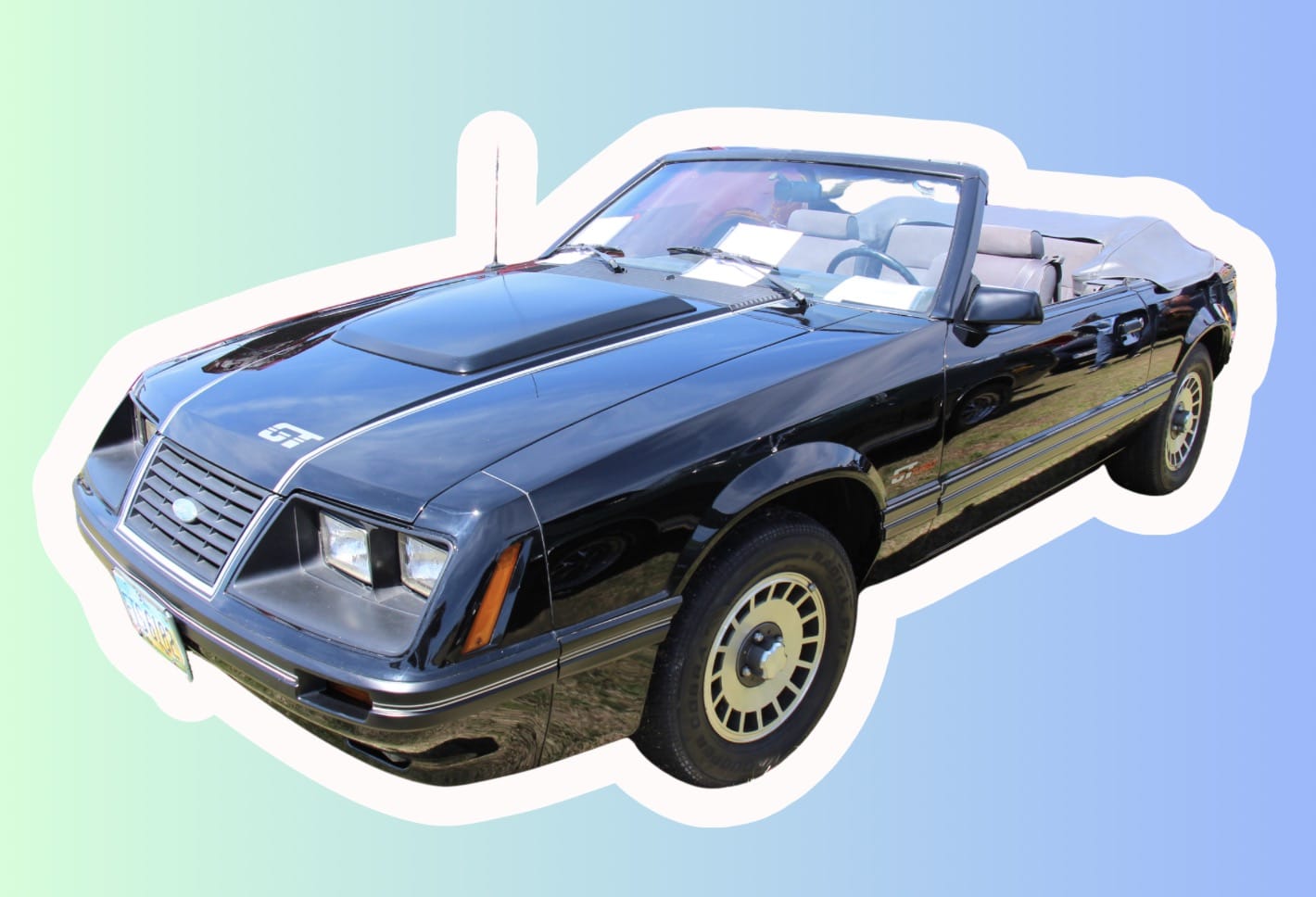
But times change. The SVO’s handling, balance, and uniqueness have finally earned respect. Even the early non-SVO turbos get attention simply because so few survived.
They’re now legitimate collectibles, proof that the turbo Mustang wasn’t a mistake, just ahead of its audience.
2. Dodge Daytona Turbo Z (1984–1987)
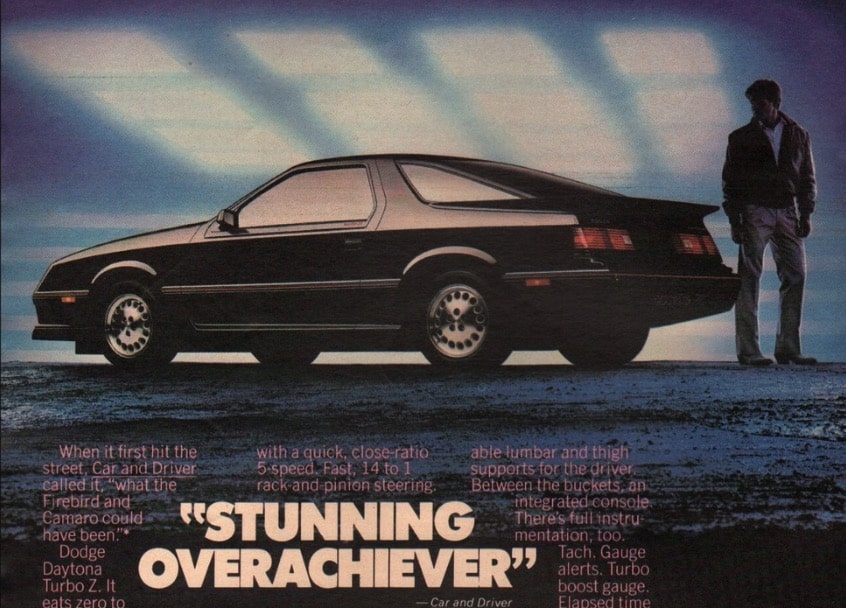
The Daytona looked like a proper 80s sports car, but underneath it shared humble K-car roots. Turbos helped, but torque steer and fragile gearboxes gave it a mixed reputation.
Most were modified, abused, or parked once repairs cost more than the car was worth. Stock examples became almost mythical.
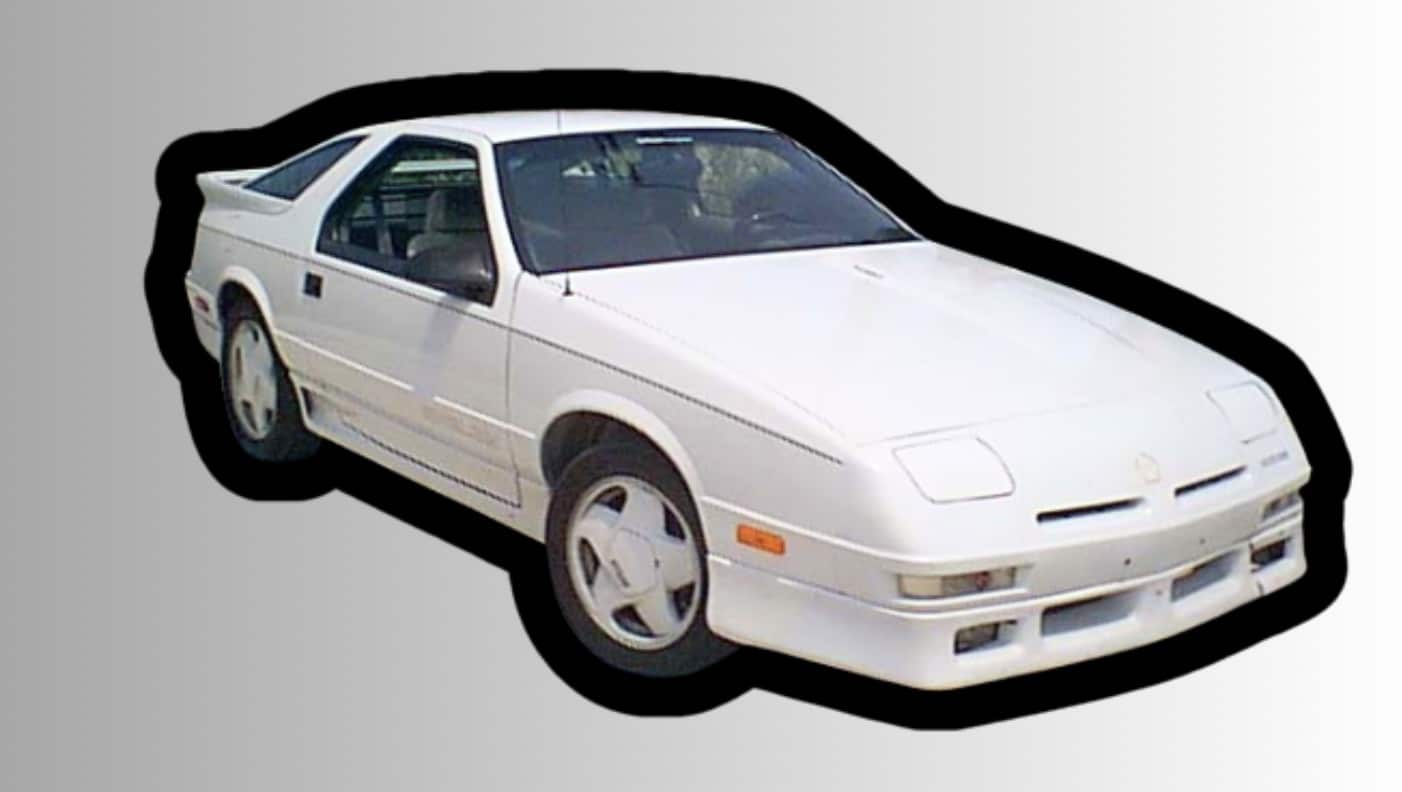
Now, collectors and 80s nostalgia fans are bringing them back. Their wedge-shaped styling and period graphics have aged into something unmistakably cool.
A clean Turbo Z today stands out precisely because nobody expected it to survive.
3. GMC Syclone / Typhoon (1991–1992)
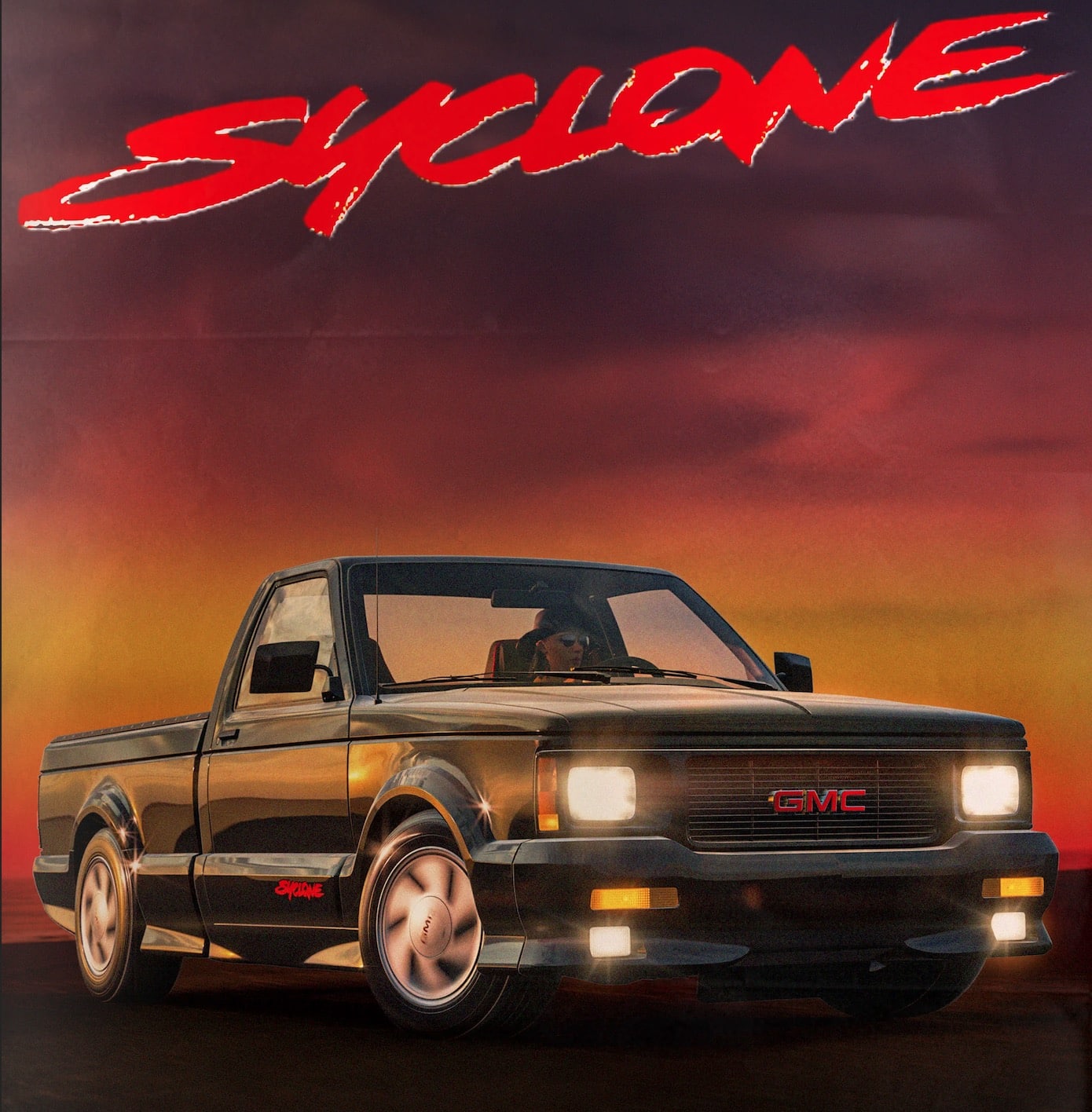
When they launched, these turbocharged all-wheel-drive monsters were so far ahead of their time that buyers didn’t know what to make of them. A pickup quicker than a Corvette? An SUV that could outrun sports cars?
High prices, limited production, and nervous dealers meant they didn’t sell as fast as GM hoped. Critics called them gimmicks.
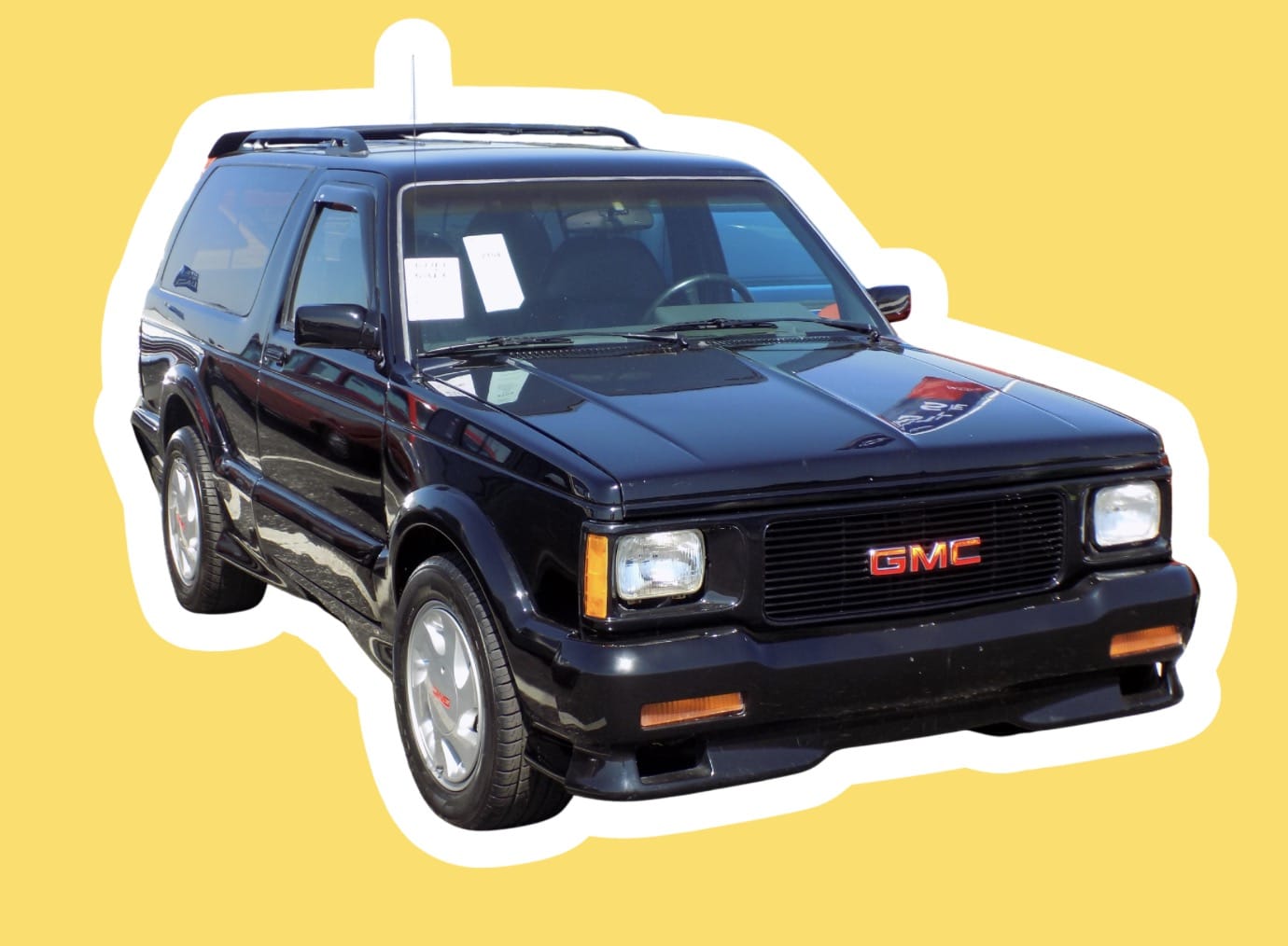
Now they’re legends. The performance numbers, the attitude, and the rarity have rocketed prices into serious collector territory.
Once misunderstood, the Syclone and Typhoon have become two of the hottest American collectibles of the 1990s.
4. Opel Manta / 1900 Coupe (1973–1977)
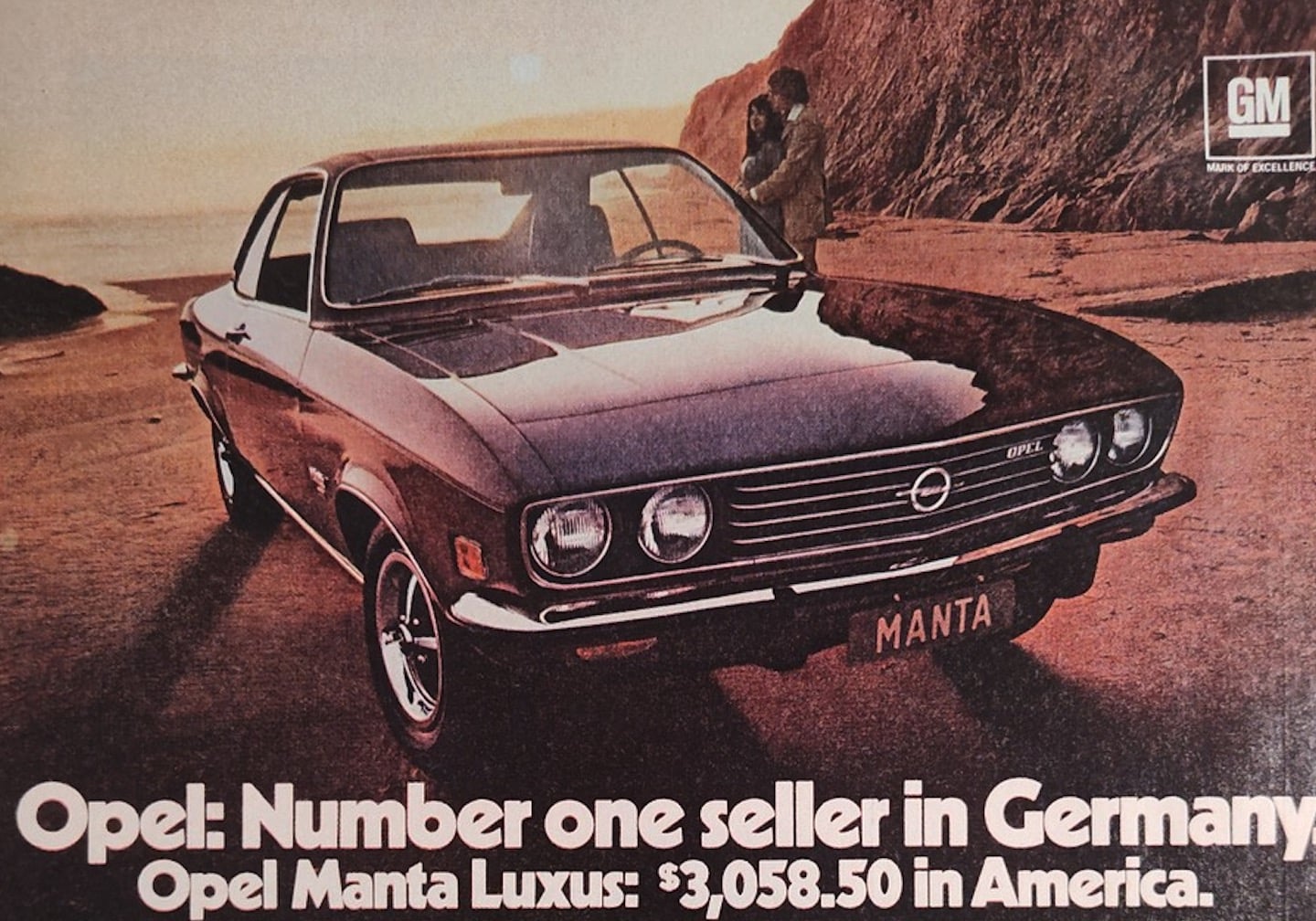
Imported in small numbers and overshadowed by Japanese rivals, the Opel Manta never had a real chance in the U.S. Rust, fragile parts supply, and low power ensured that few survived long-term.
Most people forgot they existed. For decades they were just odd little coupes that popped up in classifieds for pennies.
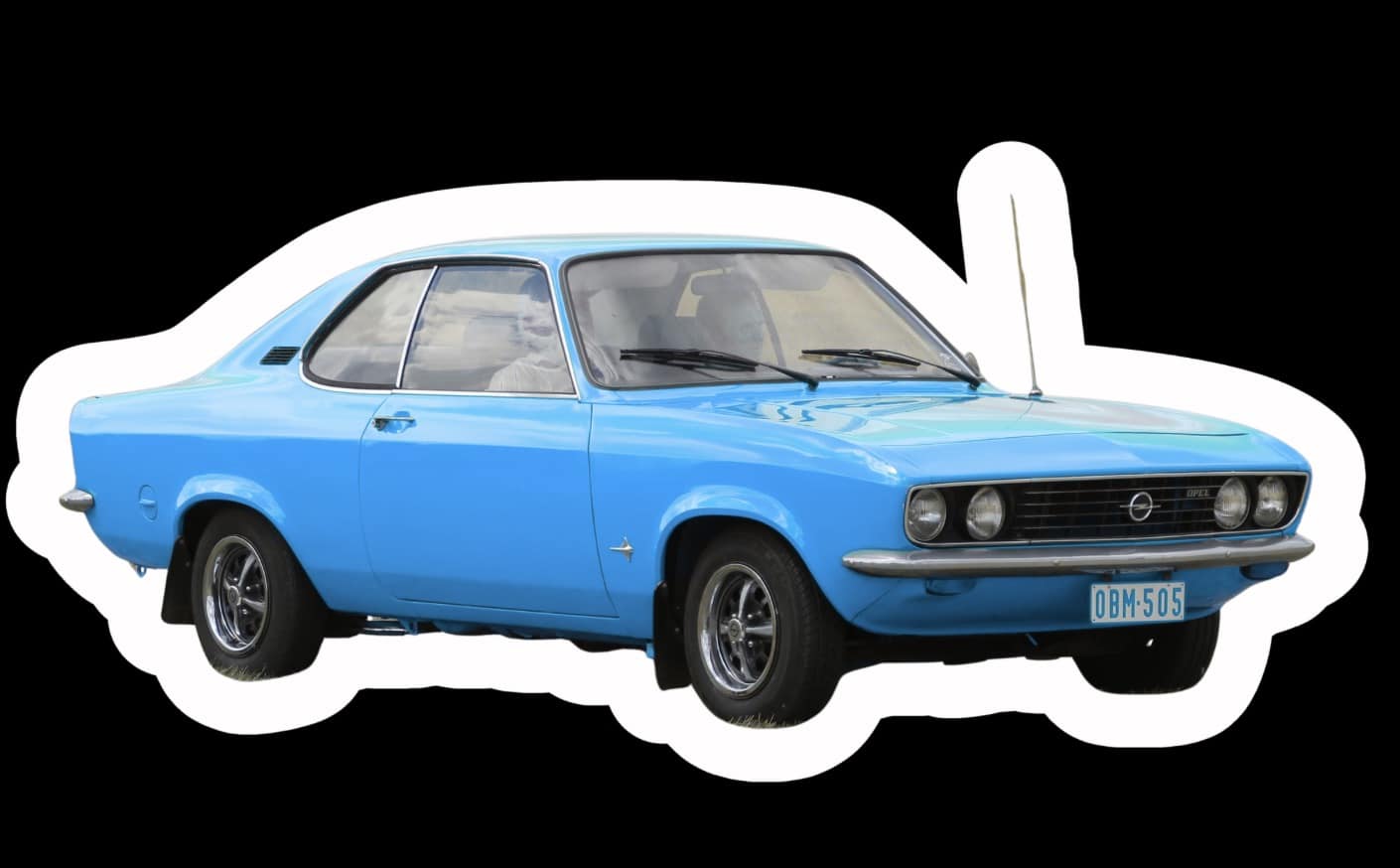
But European collectors rediscovered them, and that energy has finally reached America. The styling, balance, and rarity have pushed them into “unexpected collectible” territory.
A clean Manta today draws a crowd, mostly because everyone’s trying to remember the last time they saw one.
Thanks for reading! We appreciate it. Enjoy your day!
Want to read more? You might like 25 Obscure Car Features That You Won’t Believe Existed